Finding the right fitness tracker for cycling comes down to more than step counts. Riders need reliable GPS, comfortable all-day wear, solid battery life, and metrics that make sense on the bike.
Below, we break down the best options for road cyclists, commuters, indoor riders, and data-focused athletes so you can choose a wearable that fits how you ride.
Best 10 Fitness Tracker for Cycling Picks for 2026
Dedicated GPS Bike Computer
CYCPLUS G1 Wireless GPS Bike Computer

- Dynamic GPS positioning for ride data
- Automatic backlight for day/night visibility
- Wireless IPX6 design with long battery life
Best For: Cyclists who want a compact ride computer with simple GPS metrics
All-Day Wellness Tracker
Fitbit Inspire 3 Activity Tracker

- 24/7 heart rate and 40+ exercise modes
- GPS via smartphone for cycling support
- Tracks sleep, stress, and recovery
Best For: Cyclists who want health tracking beyond ride stats
Multi-Sport GPS Watch
Garmin Forerunner 55 GPS Watch

- GPS tracking with cycling activity profile
- Up to 2 weeks of battery life
- Lightweight watch with training tools
Best For: Riders who want a versatile GPS watch for training and cycling
Budget Health Tracker
AMOLED Fitness Tracker with 25 Sports Modes

- Heart rate, blood pressure, and sleep tracking
- 25 sports modes for general fitness use
- AMOLED screen with custom dials
Best For: Budget shoppers who want broad health tracking with casual cycling support
Recovery-first performance band
WHOOP 5.0 Membership with 14+ Day Battery

- 24/7 heart-rate, sleep, strain, and recovery tracking
- Up to 14+ day battery life with PowerPack included
- Screenless design with app-based coaching and integrations
Best For: Cyclists who want continuous recovery and training insights without a screen.
Affordable all-rounder watch
115-Sport Smart Watch with Health Tracking

- 115 sports modes with cycling support
- Heart rate, sleep, SpO2, blood pressure, and calories
- IP68 waterproof with 6-7 day heavy-use battery life
Best For: Casual cyclists who want an affordable watch with broad sport tracking.
Advanced health-monitoring band
WHOOP MG with ECG and Blood Pressure
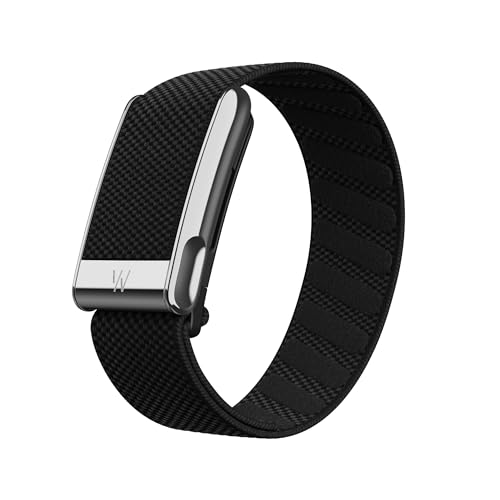
- ECG, blood pressure insights, and rhythm notifications
- 24/7 recovery, strain, sleep, and VO2 max tracking
- Screenless design with 14+ day battery life
Best For: Cyclists who want recovery tracking plus advanced heart-health features.
Value-Driven Cycling Health Tracker

- 25 sport modes include cycling support.
- Tracks heart rate, blood oxygen, blood pressure, and sleep.
- 10-14 day battery life with 5 ATM waterproofing.
Best For: Cyclists who want broad health tracking and long battery life on a budget.
Performance Coaching Pick
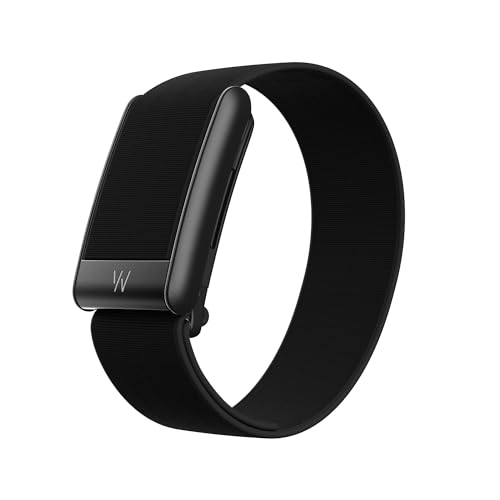
- Continuous heart-rate, sleep, strain, and recovery tracking.
- 14+ day battery life with screenless wear.
- Strava and TrainingPeaks integration for training data.
Best For: Cyclists who want recovery coaching and performance insights more than a watch screen.
Dedicated GPS Bike Computer – CYCPLUS G1 Wireless GPS Bike Computer
If you want a fitness tracker for cycling that focuses on ride data rather than general wellness, this CYCPLUS bike computer is built for the basics that matter on the bike. It uses dynamic GPS positioning to show ride time, distance, total mileage, current altitude, and clock data, while the automatic backlight helps keep the screen readable in both bright sun and after dark.
Best For: Cyclists who want a compact, dedicated bike computer with GPS ride tracking and long battery life.
Pros:
- Dynamic GPS positioning for route and ride data
- Automatic backlight improves visibility day and night
- Wireless, IPX6 waterproof design reduces handlebar clutter
- Large battery capacity with more than 55 hours of working time claimed
Cons:
- Focused on cycling metrics, not full smartwatch features
- No heart-rate tracking mentioned in the supplied details
- Small 2.0-inch display may feel basic compared with larger wearables
This is a practical pick if your priority is ride tracking, simple visibility, and low-maintenance mounting on the handlebar. It offers a straightforward way to monitor cycling performance without extra app-heavy features.
All-Day Wellness Tracker – Fitbit Inspire 3 Activity Tracker
The Fitbit Inspire 3 works well as a fitness tracker for cycling if you want broader health tracking alongside ride workouts. It includes 24/7 heart rate monitoring, 40+ exercise modes, automatic exercise tracking, and GPS via smartphone, making it useful for riders who also want sleep, stress, and recovery insights.
Best For: Cyclists who want an all-day wellness tracker that can also support ride workouts and recovery.
Pros:
- 24/7 heart rate tracking and 40+ exercise modes
- GPS via smartphone for outdoor route tracking support
- Sleep Score, Stress Management Score, and mindfulness tools
- Up to 10 days of battery life and water resistance
Cons:
- Does not include built-in GPS
- Smaller screen may feel limited for on-wrist workout data
- Best cycling use depends on pairing with a compatible smartphone
If you care about more than just cycling, this tracker gives you a balanced mix of activity, wellness, and recovery features. It is a strong everyday wearable for riders who want health data before and after the ride.
Multi-Sport GPS Watch – Garmin Forerunner 55 GPS Watch
The Garmin Forerunner 55 is a solid fitness tracker for cycling if you want a wrist-worn device that can cover rides as part of a broader training plan. It uses GPS to track distance, pace, and route, and it includes built-in activity profiles for cycling alongside running, swimming, HIIT, and more.
Best For: Active users who want a lightweight GPS watch for cycling plus multi-sport training.
Pros:
- Built-in cycling activity profile plus other sport modes
- GPS tracking for distance, speed, and route data
- Up to 2 weeks of battery life in smartwatch mode
- Lightweight design with sunlight-visible display
Cons:
- Primarily a running watch, so cycling tools are not the main focus
- Does not mention advanced bike-specific sensors or maps
- GPS battery life drops to up to 20 hours in GPS mode
For riders who cross-train or want one watch for multiple sports, this Garmin offers a reliable and simple setup. It is a good choice if you value training guidance and long everyday battery life more than cycling-specific hardware.
Budget Health Tracker – AMOLED Fitness Tracker with 25 Sports Modes
If you want a fitness tracker for cycling with more health and notification features than a basic pedometer, this model covers the essentials well. It tracks steps, calories, heart rate, blood pressure, blood oxygen, and sleep, and it adds 25 sports modes that can support cycling-adjacent training and general fitness goals.
Best For: Budget buyers who want an affordable activity tracker with broad health monitoring.
Pros:
- Tracks heart rate, blood pressure, blood oxygen, and sleep
- 25 sports modes for varied workouts
- AMOLED 1.1-inch touch screen with custom dials
- Up to 7 days of regular use per charge
Cons:
- No built-in GPS mentioned
- More of a general fitness tracker than a cycling-focused device
- Battery life is shorter than some dedicated bike computers
This is a practical low-cost option if you want day-to-day health tracking with basic sports support. It is better suited to riders who also want wellness metrics and smart notifications than to cyclists who need detailed route data.
Recovery-first performance band – WHOOP 5.0 Membership with 14+ Day Battery
If you want a fitness tracker for cycling that helps you train with more context, WHOOP 5.0 is built around recovery, strain, and sleep rather than on-wrist distractions. Its screenless design, 24/7 heart-rate tracking, and app-based coaching make it a strong pick for riders who care about long-term performance and habit tracking.
Best For: Cyclists who want continuous recovery and training insights without a screen.
Pros:
- Tracks heart rate every second, plus Sleep, Strain, Recovery, and VO2 max insights.
- Up to 14+ day battery life with a wireless waterproof PowerPack included.
- Screenless, distraction-free design is easy to wear all day and night.
- Connects with Strava, Apple Health, Google Health Connect, and TrainingPeaks.
Cons:
- No built-in screen, so you must use the app for data and coaching.
- Requires a 12-month membership, not just a one-time device purchase.
- Focuses more on recovery and performance than on live ride metrics.
For cyclists who value readiness, sleep quality, and training load over instant wrist readouts, WHOOP offers a more performance-oriented approach than a traditional smartwatch. The membership model may not suit everyone, but the depth of the coaching can be compelling for serious riders.
Affordable all-rounder watch – 115-Sport Smart Watch with Health Tracking
This fitness tracker for cycling covers the basics well if you want a low-cost watch with activity tracking and app-connected route mapping. It includes 115 sports modes, all-day step and calorie tracking, and GPS connectivity through your phone, making it a practical option for casual riders.
Best For: Casual cyclists who want an affordable watch with broad sport tracking.
Pros:
- 115 sports modes give you flexibility for cycling and other workouts.
- Tracks heart rate, blood oxygen, blood pressure, sleep, steps, and calories.
- GPS connectivity can map your workout route in the app using your phone.
- IP68 waterproof rating and 6-7 days of heavy-use battery life.
Cons:
- Relies on phone GPS for route mapping instead of built-in GPS.
- Health readings are broad fitness metrics, not advanced cycling coaching tools.
- Notifications and smartwatch extras may be unnecessary if you only want ride tracking.
For riders who mainly want a simple, versatile wrist tracker, this watch offers a lot of features for the price. It is best viewed as an everyday fitness companion that can support cycling, rather than a dedicated training device.
Advanced health-monitoring band – WHOOP MG with ECG and Blood Pressure
If your priority is a fitness tracker for cycling with deeper health monitoring, WHOOP MG adds medical-focused features on top of the brand’s recovery platform. It keeps the same screenless, app-driven experience while adding ECG, daily blood pressure insights, and irregular heart rhythm notifications for users who want more than workout stats.
Best For: Cyclists who want recovery tracking plus advanced heart-health features.
Pros:
- Includes Heart Screener with on-demand ECG from the wrist.
- Daily blood pressure insights and irregular heart rhythm notifications add extra health context.
- Tracks heart rate every second, plus Sleep, Strain, Recovery, and VO2 max.
- Up to 14+ day battery life with a wireless waterproof PowerPack included.
Cons:
- Requires a 12-month membership and app-based use, not standalone watch-style viewing.
- No screen or live ride display for cyclists who want instant wrist metrics.
- Many advanced features are health-focused rather than cycling-specific.
This is a strong choice for cyclists who want performance tracking with an added layer of cardiovascular monitoring. It is less about ride-by-ride convenience and more about understanding how training fits into your overall health picture.
Value-Driven Cycling Health Tracker – Zeacool 24/7 Health Monitor
If you want a fitness tracker for cycling that focuses on all-day health data as much as ride activity, the Zeacool tracker is a practical budget-friendly option. It tracks heart rate, blood oxygen, blood pressure, sleep, steps, calories, distance, and offers 25 sport modes, so you can log rides and recover better between workouts.
Best For: Cyclists who want broad health tracking, simple activity logging, and long battery life without paying for a premium ecosystem.
Pros:
- 25 sport modes let you select cycling among other workouts in the app.
- 24/7 heart rate, blood oxygen, blood pressure, and sleep tracking add useful recovery data.
- 5 ATM waterproof rating supports hand washing, rain, swimming, and similar conditions.
- 10-14 day typical battery life reduces charging interruptions.
Cons:
- No built-in GPS is listed, so ride route tracking appears to depend on your phone and app.
- The 1.10-inch screen is compact, which may limit at-a-glance readability for some users.
This is a strong pick if you want a straightforward fitness tracker for cycling with plenty of health metrics and a comfortable, low-maintenance design. It is less specialized than a dedicated cycling computer, but it covers the essentials well for riders who value overall wellness tracking.
Performance Coaching Pick – WHOOP 5.0/MG Activity Tracker
For riders who want a fitness tracker for cycling built around performance and recovery, WHOOP 5.0 stands out with continuous heart-rate monitoring, sleep tracking, strain and recovery insights, and personalized coaching. Its screenless design keeps distractions low, while the 14+ day battery life helps it stay on through long training blocks.
Best For: Cyclists who care more about training readiness, recovery, and coaching than on-device screens or notifications.
Pros:
- Continuous heart-rate tracking with Sleep, Strain, Recovery, VO2 max, and stress insights.
- Up to 14+ day battery life supports around-the-clock wear.
- Integrates with Strava and TrainingPeaks, which is useful for cyclists who already track workouts elsewhere.
- Screenless, distraction-free design stays out of the way during rides and daily wear.
Cons:
- Requires a 12-month membership, so it is not a simple one-time purchase.
- No display means you must rely on the app for all detailed feedback.
WHOOP is the most performance-focused option here and makes the most sense for cyclists who want guidance on recovery and training load. If you want a data-first wearable rather than a traditional watch, it is a compelling fit.
Screenless Subscription-Free Choice – FITVII Wellness Tracker
If you want a fitness tracker for cycling that stays simple and affordable to own, the FITVII screenless tracker is a solid everyday option. It records heart rate, blood pressure, blood oxygen, HRV, sleep, steps, calories, and distance in the background, which makes it useful for riders who want wellness data without a distracting display.
Best For: Cyclists who prefer a no-screen tracker with no subscription fees and basic background activity monitoring.
Pros:
- Screenless design keeps it lightweight and unobtrusive on the wrist.
- No subscription or hidden fees for core tracking features.
- IP68 waterproof rating and up to 10 days of battery life support regular training use.
- Includes S and L bands for a more adjustable fit.
Cons:
- No display means all feedback comes through the app.
- GPS is only via smartphone, so it is not a standalone ride-tracking device.
The FITVII is a good fit if you mainly want a low-profile fitness tracker for cycling with health metrics and minimal ongoing costs. It is best for riders who are comfortable checking their data in the app instead of on the wrist.
How We Picked the Best Fitness Tracker for Cycling
For a Fitness Tracker for Cycling, the most important factors are ride accuracy, heart-rate reliability, battery life, comfort under movement, water resistance, and how easily the device fits into a cyclist’s routine. We also favored models that offer practical cycling use cases such as GPS tracking, recovery insights, sleep monitoring, and long wear times.
Quick Comparison
If you want the most cycling-specific data, a GPS watch or bike computer-style device is the strongest choice. If you want a lightweight daily wearable that tracks health around your rides, a compact tracker or screenless band may be the better fit. Riders who train by effort and recovery may prefer subscription-based coaching, while casual cyclists often benefit from simple, low-maintenance trackers.
Key Buying Factors for a Fitness Tracker for Cycling
GPS and Ride Tracking
Built-in GPS is the biggest advantage for cyclists who want distance, speed, pace, route history, and workout logs without carrying a phone. If your rides are mostly indoor or short commutes, GPS matters less than comfort and battery life.
Heart Rate and Training Data
Wrist-based heart rate is useful for general training, but cycling can sometimes reduce accuracy if the fit is loose or your hands are steady on the bars. Look for a secure fit and, if possible, pair with a chest strap when precision matters.
Battery Life
Long battery life matters on longer weekend rides and multi-day training blocks. If you ride often and dislike frequent charging, choose a model known for extended use rather than one packed with power-hungry smart features.
Comfort and Wearability
A good Fitness Tracker for Cycling should feel unobtrusive in gloves, under sleeves, and during sweaty efforts. Lightweight designs, slim cases, and adjustable bands are especially helpful for endurance riders.
Water and Sweat Resistance
Rain, sweat, and washing the bike are part of cycling life. Water resistance helps protect your tracker during wet rides and daily training.
Who Should Buy Which Fitness Tracker for Cycling?
Performance-focused cyclists: Choose a GPS watch or bike computer-style option if you care most about route tracking, workout structure, and training metrics.
Health-first riders: Pick a compact smartwatch or tracker if you want to monitor heart rate, sleep, stress, and recovery alongside your rides.
Minimalist riders: A screenless tracker works well if you want passive data collection without distractions.
Budget-conscious buyers: Basic trackers can still cover daily activity, sleep, and heart rate, making them a practical starting point for recreational cyclists.