The best fitness tracker with recovery score does more than count steps—it helps you understand whether your body is ready to train, rest, or adjust your workload.
We compared 10 options across recovery insights, sleep tracking, heart-rate accuracy, GPS features, battery life, comfort, and everyday usability to help you choose with confidence.
Best 10 Fitness Tracker with Recovery Score Picks for 2026
Best Screen-Free Recovery Tracker

- Recovery, fatigue, sleep, and stress tracking
- Strength and HYROX training support
- Up to 10-day battery life; no built-in GPS
Best For: Athletes wanting discreet, app-based recovery tracking
Best GPS Smartwatch for Recovery Insights

- Body Battery, sleep score, and recovery time
- Built-in GPS with 30+ sports apps
- Up to 11 days of smartwatch battery life
Best For: Multisport users wanting GPS and recovery guidance
Best Budget Readiness and Sleep Tracker

- Daily Readiness, Sleep, and Stress Scores
- 40+ exercise modes with automatic tracking
- Up to 10-day battery life; smartphone GPS
Best For: Everyday users wanting simple readiness guidance
Best Premium Readiness Smartwatch

- Readiness insights from activity, vitals, and sleep
- HRV, Vitals, sleep score, and workout metrics
- Advanced safety and iPhone-connected smartwatch features
Best For: iPhone users wanting premium readiness and smartwatch tools
Best Everyday Recovery Tracker
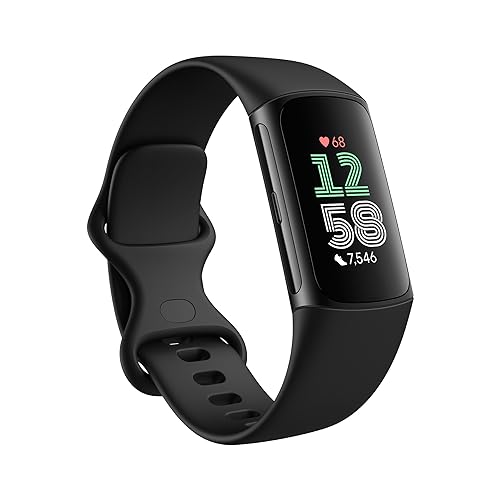
- Daily Readiness and Sleep Score insights
- Built-in GPS and 40+ exercise modes
- Up to seven days of battery life
Best For: Everyday fitness and recovery tracking
Best for Training Recovery

- Recovery time and morning training reports
- Adaptive workouts based on performance and recovery
- Built-in GPS with up to 11 days of smartwatch battery
Best For: Runners following structured training plans
Best Screen-Free Wellness Option
MorePro Screenless Fitness Tracker

- Tracks HRV, sleep, heart rate, and blood oxygen
- No subscription required with Guest Mode
- Slim screenless design with IP68 resistance
Best For: Distraction-free wellness tracking
Feature-Rich Pick

- 115 sports modes with connected GPS
- Sleep-stage, heart-rate, and oxygen tracking
- Large display with long battery life
Best For: Extensive workout and wellness tracking
Lightweight Family Pick

- Lightweight 0.82-ounce design
- Tracks sleep, heart rate, and daily activity
- IP68 rating with 7–10-day use
Best For: Casual users and family activity tracking
Display Pick
AMOLED 25-Sport Fitness Tracker

- AMOLED touchscreen with custom faces
- Includes HRV, breathing-rate, and sleep data
- 25 sports modes with connected GPS
Best For: Wellness tracking with a bright display
Best Screen-Free Recovery Tracker – Helio Strap
The Amazfit Helio Strap is a focused option if you want a fitness tracker with recovery score features without adding another smartwatch screen. It tracks heart rate, sleep, stress, fatigue, training load, and recovery-related metrics through the Zepp app, with up to 10 days of battery life.
Best For: Athletes who prefer a lightweight, screenless tracker for training, sleep, and recovery monitoring.
Pros:
- Tracks fatigue, recovery, sleep, stress, and heart rate through the Zepp app.
- HybridCharge Energy Monitoring adapts to workouts, activities, and stress levels.
- Supports strength and HYROX training, including reps, sets, and rest periods.
- Up to 10 days of battery life and 50-meter water resistance.
Cons:
- No built-in GPS for standalone route tracking.
- Requires the Zepp app for analysis and insights.
- Screenless design may not suit shoppers who want on-device stats.
The Helio Strap is a practical choice for recovery-focused training if you already use the Zepp ecosystem or want a discreet wearable. Its lack of GPS and display makes it less versatile as a standalone fitness watch.
Best GPS Smartwatch for Recovery Insights – Garmin vívoactive 5
The Garmin vívoactive 5 combines GPS sports tracking with Body Battery energy monitoring, sleep scoring, and recovery time. For shoppers seeking a fitness tracker with recovery score capabilities, it offers a broader smartwatch experience with more than 30 sports apps and an AMOLED display.
Best For: Runners, walkers, and multisport users who want recovery guidance alongside GPS and smartwatch features.
Pros:
- Body Battery uses sleep, naps, stress, and workouts for personalized energy insights.
- Provides a sleep score, sleep coaching, HRV status, and recovery time.
- Built-in GPS and more than 30 indoor and GPS sports apps.
- Up to 11 days of battery life in smartwatch mode.
Cons:
- Offers more smartwatch functionality than users seeking a simple tracker may need.
- Recovery and health metrics are estimates, as noted by the manufacturer.
- The larger feature set may require time to configure in Garmin Connect.
The vívoactive 5 is one of the more complete choices here for combining readiness-style insights with standalone workout tracking. Choose it over a simpler band if built-in GPS, an AMOLED screen, and sports variety matter.
Best Budget Readiness and Sleep Tracker – Fitbit Inspire 3
The Fitbit Inspire 3 is a slim activity tracker for everyday readiness, sleep, stress, and heart-rate monitoring. Its Daily Readiness Score makes it a straightforward fitness tracker with recovery score functionality, while automatic exercise tracking and 40-plus exercise modes support regular workouts.
Best For: Everyday users who want simple readiness, sleep, stress, and activity tracking in a lightweight band.
Pros:
- Includes a Daily Readiness Score, detailed Sleep Score, and Stress Management Score.
- Tracks heart rate, activity, sleep, blood oxygen, and more.
- Offers 40-plus exercise modes and automatic exercise tracking.
- Up to 10 days of battery life and 50-meter water resistance.
Cons:
- Uses smartphone GPS rather than built-in GPS.
- Some features may depend on the Fitbit app or compatible phone.
- Its compact tracker format has fewer smartwatch features than a GPS watch.
The Inspire 3 is a sensible pick when you want recovery-oriented daily guidance without the size or complexity of a smartwatch. It is less suitable for phone-free outdoor route tracking because GPS is provided through a smartphone.
Best Premium Readiness Smartwatch – Apple Watch Series 12
The Apple Watch Series 12 is a full-featured fitness tracker with recovery score and readiness-style insights. It combines overnight Vitals, daily sleep scoring, HRV readings, recent activity, and sleep analysis with advanced workout tools such as heart-rate zones and Pacer.
Best For: iPhone users who want detailed health, readiness, workout, communication, and safety features in one smartwatch.
Pros:
- Readiness experience considers recent activity, vitals, and sleep.
- Tracks HRV, overnight health metrics, sleep score, and background heart rate.
- Supports running, hiking, strength training, heart-rate zones, and Pacer.
- Provides fall and severe car-crash detection plus emergency connectivity features.
Cons:
- Up to 24 hours of normal-use battery life is shorter than the other listed trackers.
- Designed to work with an iPhone or Wi-Fi-connected setup.
- Some listed features may vary by availability, language, or usage limits.
The Series 12 is the strongest all-around option for iPhone owners who want readiness insights alongside communication and safety tools. Its frequent charging requirement is the main trade-off for the richer smartwatch feature set.
Best Everyday Recovery Tracker – Fitbit Charge 6
The Fitbit Charge 6 is a practical fitness tracker with recovery score features for people who want daily readiness, sleep, stress, heart-rate, and activity insights in a compact band. Built-in GPS, 40+ exercise modes, and up to seven days of battery life make it versatile for everyday training and general wellness tracking.
Best For: Everyday users who want recovery, sleep, activity, and heart-rate insights in a slim tracker.
Pros:
- Tracks Daily Readiness, Sleep Score, stress management, heart rate, and activity metrics.
- Includes built-in GPS, 40+ exercise modes, automatic exercise tracking, and 50-meter water resistance.
- Adds Google Maps directions, Google Wallet payments, and YouTube Music controls.
- Offers up to seven days of battery life.
Cons:
- Some personalized coaching features require a separately sold Google Health Premium subscription.
- Compatible phone requirements are Android 11 or newer and iOS 16.4 or newer.
The Charge 6 is a well-rounded choice if recovery guidance matters alongside everyday fitness features. Its combination of Daily Readiness, sleep analysis, GPS, and smart conveniences makes it especially useful for users who want one tracker for routine activity and structured workouts.
Best for Training Recovery – Garmin Forerunner 165
The Garmin Forerunner 165 is a running-focused fitness tracker with recovery score-style guidance through recovery time, morning reports, sleep, HRV status, and training outlook data. Its built-in GPS, adaptive workouts, and training-effect insights make it a strong fit for runners who want recovery information tied directly to training.
Best For: Runners who want structured workouts, recovery guidance, GPS, and training analysis.
Pros:
- Provides recovery time, morning reports, sleep and HRV status, and a training outlook.
- Offers personalized daily suggested workouts that adapt to performance and recovery.
- Includes built-in GPS, wrist-based heart rate, 25+ activity profiles, and training-effect labels.
- Battery life reaches up to 11 days in smartwatch mode and 19 hours in GPS mode.
Cons:
- Some safety features require a compatible smartphone with network coverage.
- Garmin Pay availability depends on supported countries and payment networks.
Forerunner 165 stands out when recovery needs to inform your next workout rather than simply summarize wellness. Its running tools and adaptive suggestions make it more training-oriented than a basic activity band, while the AMOLED touchscreen and physical buttons support everyday use.
Best Screen-Free Wellness Option – MorePro Screenless Fitness Tracker
The MorePro screenless wearable is a low-distraction fitness tracker with recovery score-related wellness data, including HRV, sleep, heart rate, blood oxygen, and activity measurements. It syncs with a phone app and requires no subscription, making it a simple option for users who prefer background tracking without a display.
Best For: Users who want screen-free wellness and recovery tracking without monthly fees.
Pros:
- Tracks HRV, sleep, heart rate, blood oxygen, steps, calories, distance, and blood pressure in the app.
- Screen-free, lightweight design supports low-distraction all-day and overnight wear.
- No subscription is required, and Guest Mode allows use without creating an account.
- Includes two adjustable bands and IP68 water resistance.
Cons:
- It has no screen, so data must be viewed in the companion app.
- Battery life is about three to five days normally and may drop to one to three days with frequent sports-mode use.
- It is compatible with smartphones, not PCs or tablets.
The MorePro is best suited to buyers who value comfort, privacy-friendly setup, and no recurring subscription over advanced on-device features. Its HRV and sleep tracking can support recovery-focused wellness routines, but the screenless design means it is less convenient for checking metrics during workouts.
Feature-Rich Pick – 115-Sport Health Smartwatch
If you want a fitness tracker with recovery score-style insights, this feature-rich smartwatch provides the sleep-stage, heart-rate, blood oxygen, and activity data needed to review how your body is responding to training. Its broad sports coverage and connected GPS make it a versatile choice for everyday workouts.
Best For: Shoppers who want extensive health tracking, many workout modes, and smartwatch conveniences in one device.
Pros:
- Tracks heart rate, blood oxygen, blood pressure, sleep stages, steps, distance, and calories.
- Offers 115 sports modes and connected GPS for mapping outdoor routes through the phone app.
- Provides a large 1.47-inch color touchscreen, notifications, reminders, and customizable watch faces.
- Supports 6–7 days of heavy use or 10–12 days of daily use, with IP68 water resistance.
Cons:
- GPS requires connection to a smartphone rather than being built into the watch.
- The supplied notes do not specify a dedicated recovery-score feature.
- Health readings are tracking features and should not be treated as medical advice.
This is the strongest all-around option here for people who want a broad training and wellness dashboard. It does not explicitly promise a recovery score, but its sleep and activity data can help you assess readiness alongside other information.
Lightweight Family Pick – Slim 16-Sport Fitness Tracker
This slim fitness tracker with recovery score-style data is aimed at simple daily monitoring. It records sleep stages, heart rate, steps, distance, and calories, making it useful for comparing activity and rest patterns in the Runmefit app.
Best For: Families and casual users who prioritize a lightweight, comfortable tracker with basic health and activity features.
Pros:
- Very lightweight at 0.82 ounces, with an adjustable, soft band suitable for men, women, and children.
- Tracks heart rate, blood pressure, blood oxygen, body temperature, sleep stages, steps, distance, and calories.
- Includes 16 sports modes, goal completion alerts, alarms, hydration reminders, and sedentary reminders.
- Offers IP68 water resistance and approximately 7–10 days of normal use.
Cons:
- Provides fewer sports modes and a smaller 0.96-inch display than the other listed options.
- The notes do not mention a dedicated recovery-score metric.
- Compatible with smartphones running iOS 8.0+ or Android 5.0+; it is not for PCs or tablets.
Choose this model for uncomplicated tracking and a barely-there feel rather than advanced training analytics. Its sleep and daily activity records can support a recovery routine, but the product description does not confirm an actual recovery score.
Display Pick – AMOLED 25-Sport Fitness Tracker
For shoppers seeking a fitness tracker with recovery score-style information, this model combines continuous heart-rate tracking, sleep monitoring, heart-rate variability, and breathing-rate data. Those metrics can help you review rest and training trends, while the AMOLED screen keeps everyday information easy to read.
Best For: Users who want a crisp AMOLED display and wellness-oriented metrics in a compact activity tracker.
Pros:
- Uses a 1.10-inch AMOLED touchscreen with customizable watch faces.
- Tracks 24/7 heart rate, resting-heart-rate trends, heart-rate variability, breathing rate, sleep, steps, calories, and distance.
- Includes 25 sports modes and connected GPS for recording workout routes through a smartphone.
- Provides call and social notifications, hydration and sedentary reminders, IP68 water resistance, and up to 7 days of battery life.
Cons:
- GPS functionality is provided through a connected smartphone.
- The supplied information does not confirm a dedicated recovery-score calculation.
- Sleep and health data are for reference and do not replace medical advice.
This is the most appealing choice if screen quality and recovery-related inputs such as HRV and sleep are priorities. It offers a more focused wellness dataset than a basic pedometer, while remaining dependent on the phone app for GPS.
How We Picked the Best Fitness Tracker with Recovery Score
We focused on the features that make recovery data useful rather than merely impressive. Our comparison considers sleep duration and quality, resting heart rate, heart-rate variability where available, activity load, stress tracking, workout support, and the clarity of each platform’s readiness or recovery guidance.
We also considered practical ownership details, including battery life, charging frequency, phone compatibility, onboard GPS, water resistance, display design, subscription requirements, and how comfortable each tracker is for overnight wear. Because recovery metrics are estimates, we favored products that present trends and context instead of treating one daily score as a medical diagnosis.
Quick Comparison
| Best For | Look For | Recommended Type |
|---|---|---|
| Training readiness | Recovery or readiness score, sleep, HRV, training load | Advanced fitness tracker or sports watch |
| Runners | GPS, pace metrics, workout planning, recovery guidance | Running smartwatch |
| Everyday wellness | Sleep, heart rate, steps, stress, slim design | Lightweight activity tracker |
| Smartwatch users | Notifications, apps, GPS, health features | Full-featured smartwatch |
| Long battery life | Minimal screen use and infrequent charging | Screenless tracker |
Key Buying Factors for a Fitness Tracker with Recovery Score
Recovery Data and Accuracy
Check which signals inform the score. Sleep, resting heart rate, HRV, stress, and recent workout intensity can provide a more useful picture than activity totals alone. Look for trend views, explanations, and recommendations that help you act on the data.
Sleep and Overnight Comfort
Recovery tracking depends on consistent overnight wear. Choose a slim, lightweight device with a comfortable band and a battery that can last through several nights. A tracker that requires daily charging may produce incomplete sleep records.
Workout and GPS Features
Runners and cyclists should prioritize built-in GPS, heart-rate zones, training load, and workout recovery guidance. For general wellness, connected GPS and basic activity modes may be enough and can reduce cost and battery drain.
Compatibility and Subscription Costs
Confirm iOS or Android compatibility before buying. Also check whether detailed readiness insights, historical reports, coaching, or advanced sleep analysis require a paid membership.
Health Features and Limitations
Heart-rate and sleep trends can support lifestyle decisions, but consumer wearables are not substitutes for clinical testing. Treat blood oxygen, blood pressure, and similar readings as informational unless the device has appropriate medical authorization for your use.
Who Should Buy Which Fitness Tracker with Recovery Score?
Choose a screenless tracker if comfort, discreet wear, and long battery life matter most. Choose a compact activity band for affordable daily steps, sleep, and heart-rate tracking. A full smartwatch is better for users who want notifications, apps, payments, and workouts in one device.
Runners should prioritize the Garmin Forerunner option or another GPS-focused model, while users already invested in Apple or Google Fitbit ecosystems may get the smoothest experience by staying with that platform. If recovery guidance is your main goal, compare the quality of the app’s explanations and long-term trends—not just the presence of a recovery label.