The best textured medicine balls make dynamic training easier to control, especially during slams, throws, carries, and fast-paced conditioning circuits. A grippy surface can help you maintain handling confidence as workouts become heavier or more intense.
This roundup compares 10 options across slam balls, wall balls, soft-shell designs, and traditional weighted medicine balls so you can match construction, weight, and intended use to your training space.
Best 10 Textured Medicine Balls Picks for 2026
Best Heavy-Duty Slam Ball
ProsourceFit Textured Grip Slam Ball

- Tire-tread grip supports secure handling
- Sand-filled design minimizes bounce and roll
- Available from 5 to 50 pounds
Best For: Controlled slam training and full-body conditioning
Best for Progression
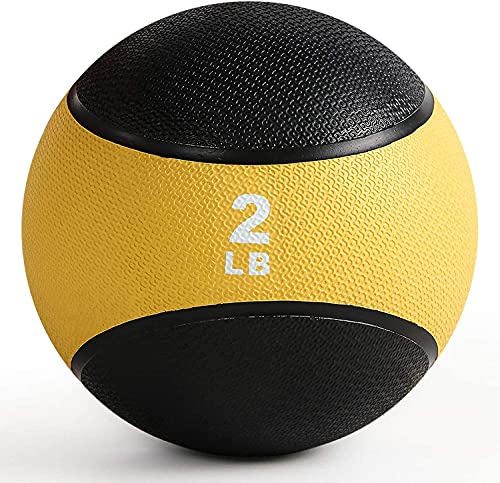
- Basketball-like surface improves grip
- Ten options range from 2 to 20 pounds
- Supports strength, balance, and coordination drills
Best For: Beginners and progressive full-body training
Best Value Slam Ball

- Rugged tread offers a sweat-resistant grip
- Sand-filled design limits bouncing and rolling
- Weight options run from 10 to 50 pounds
Best For: Explosive conditioning and dedicated slam workouts
Best Soft Wall Ball

- Non-slip vinyl surface supports controlled handling
- Double-stitched, hand-stuffed construction
- Useful for strength, plyometrics, and stretching
Best For: Controlled wall-ball training and mobility work
Best Textured Slam Ball
Amazon Basics Slam Medicine Ball

- 25-pound sand-filled PVC construction
- Non-slip textured surface
- Designed for powerful, no-bounce slams
Best For: CrossFit, HIIT, and explosive power training
Best Textured Wall Ball
Titan Fitness Soft Shell Wall Ball
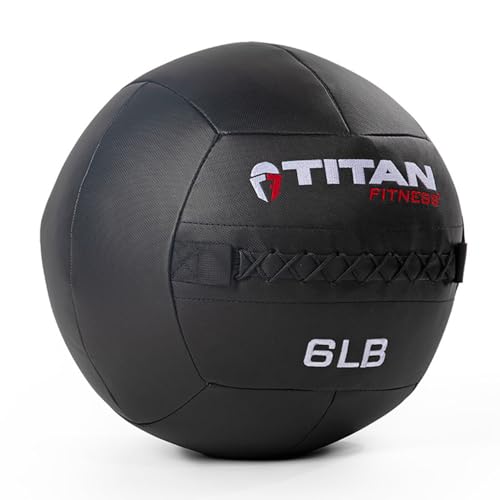
- Soft shell with cross-texture grip
- 13-inch profile with dual side loops
- Made for wall throws, not ground slams
Best For: Wall throws, partner drills, and functional training
Best Textured Medicine Ball for Core Work
Amazon Basics 6-Pound Weighted Medicine Ball

- Lightly textured firm rubber surface
- 6-pound weight for versatile exercises
- Suitable for tosses, twists, and balance work
Best For: Core strength, balance, and general full-body training
Soft-Grip Pick
Champion Sports Rhino Gel Filled Medicine Ball

- Soft gel-filled construction
- Textured vinyl grip
- Adjustable inflation and rebounder compatibility
Best For: Beginners, rehab, and controlled rebounder training
Cross-Training Option
Fitvids Slam Medicine Wall Ball

- 6-pound training weight
- Supports slam and wall-ball exercises
- Molded and stitched construction
Best For: Mixed cross-training, conditioning, and core workouts
Best Heavy-Duty Slam Ball – ProsourceFit Textured Grip Slam Ball
If you want textured medicine balls for high-intensity slams, the ProsourceFit Slam Medicine Ball combines a tire-tread grip with a sand-filled, non-bouncing design. It comes in weights from 5 to 50 pounds, so you can choose a load suited to conditioning, strength work, or progression.
Best For: Controlled slam training, full-body conditioning, and users who want a broad range of weight options.
Pros:
- Tire-tread surface provides traction during intense workouts.
- Sand-filled construction minimizes bouncing and rolling.
- PVC shell is waterproof and designed to absorb impact.
- Available in weights from 5 to 50 pounds.
Cons:
- Its deadweight design is intended for slams rather than bounce-based drills.
- Heavier options may feel more challenging than traditional weights.
This is a practical pick for athletes who prioritize grip and predictable handling during slams. Beginners may want to start with the recommended 10- to 15-pound range to maintain control and proper mechanics.
Best for Progression – RitFit Textured Medicine Ball
Among textured medicine balls, the RitFit stands out for its basketball-like surface and unusually broad progression range. With options from 2 to 20 pounds, it can support beginners while adding challenge to presses, lunges, tosses, jumps, and core exercises.
Best For: Beginners and general fitness users working on strength, balance, coordination, and gradual weight progression.
Pros:
- Textured rubber surface offers a more comfortable, non-slip grip.
- Ten weight options accommodate multiple fitness levels.
- Supports varied movements including squats, presses, push-ups, and chest tosses.
- Includes a one-year warranty.
Cons:
- The supplied example is a light 2-pound model, which may not suit advanced power training.
- It is not described as a non-bouncing slam ball.
The RitFit is a versatile choice when coordination and progressive resistance matter more than heavy slam work. Its lightest option is approachable for new users, while heavier versions allow continued progression.
Best Value Slam Ball – MARCY Textured Grip Slam Ball
The MARCY Slam Ball is one of the more straightforward textured medicine balls for explosive training. Its rugged tread, sand-filled deadweight construction, and PVC shell are designed for repeated slams, tosses, and dynamic conditioning work without uncontrolled bouncing.
Best For: Users seeking a dedicated non-bounce slam ball with multiple heavy-weight choices.
Pros:
- Rugged tread texture provides a sweat-resistant, non-slip grip.
- Sand-filled design absorbs impact and helps prevent rolling.
- Available from 10 to 50 pounds, including several intermediate steps.
- Includes a two-year limited manufacturer warranty.
Cons:
- It is sold individually, so a separate ball is needed for another weight.
- Its slam-focused design may be less suitable for bounce-based exercises.
Choose the MARCY when your routine centers on slams and explosive conditioning. The tread texture and deadweight build emphasize control, while the weight range makes it easier to match the ball to your training level.
Best Soft Wall Ball – JFIT Textured Soft Wall Ball
The JFIT Soft Wall Ball offers a softer alternative among textured medicine balls, with a non-slip vinyl surface and balanced, hand-stuffed construction. It is designed for strength and plyometric exercises rather than slamming, making it better suited to controlled wall-ball movements, burpees, crunches, and mobility work.
Best For: Home or gym users who want a versatile soft wall ball for strength, stabilization, plyometrics, and stretching.
Pros:
- Non-slip surface supports a steady grip during workouts.
- Double-stitched vinyl shell is laser cut and hand stuffed.
- Balance-tested construction is designed for even weight distribution.
- Can also be used for stretching and rolling tight muscles.
Cons:
- It is explicitly not intended for slamming.
- The 4-pound version has a 9-inch diameter, while other sizes are 14 inches.
- The listed warranty is a 30-day Amazon return policy.
The JFIT is a strong fit when you need a comfortable, versatile wall ball rather than a deadweight slam ball. Its soft construction broadens its usefulness for controlled training and recovery-oriented movements.
Best Textured Slam Ball – Amazon Basics Slam Medicine Ball
Amazon Basics Heavy-Duty Slam Medicine Ball for Exercise, Weighted Design, 25lb, Black
Check Price On AmazonFor workouts built around powerful throws and slams, this 25-pound option is a durable pick among textured medicine balls. Its PVC shell, sand-filled core, and dead-weight design are intended to absorb impact without unwanted bouncing, while the non-slip surface helps maintain control during demanding sessions.
Best For: CrossFit, HIIT, strength training, and explosive power work in home gyms or fitness centers.
Pros:
- Heavy-duty PVC construction and sand-filled core absorb powerful slams.
- Textured, non-slip surface supports a secure grip during sweaty workouts.
- Balanced dead-weight design suits controlled movements and dynamic exercises.
Cons:
- The 25-pound weight may be too demanding for beginners or lighter conditioning work.
- Its dead-weight design is not intended for bouncing exercises.
This is the most specialized choice here for users who want a heavy slam ball that stays predictable on impact. Choose it when durability and no-bounce performance matter more than versatility for wall throws or rebound drills.
Best Textured Wall Ball – Titan Fitness Soft Shell Wall Ball
This Titan Fitness wall ball stands out among textured medicine balls for wall throws, overhead tosses, and partner drills. Its soft composite shell has a smooth, grippable cross-texture, while reinforced double stitching and a polypropylene fiberfill interior support repeated functional training.
Best For: Wall throws, partner exercises, core training, and functional conditioning where a soft-shell ball is preferred.
Pros:
- Soft-shell construction provides a comfortable, grippable feel.
- Cross-texture surface and dual side loops make handling easier.
- Standard 13-inch profile supports consistent hand placement.
- Double stitching is designed for long-lasting performance.
Cons:
- It is not designed for ground slams, which can damage the soft shell.
- The listed product details show both a 25-pound item weight and a 6-pound size, so verify the selected configuration before buying.
This is a practical choice when your routine centers on wall-based and partner movements rather than slam exercises. The loops add convenient carrying and storage options, but the ball should be kept off the ground for slams.
Best Textured Medicine Ball for Core Work – Amazon Basics 6-Pound Weighted Medicine Ball
For classic strength and balance exercises, this 6-pound rubber ball offers a lightly textured grip without the bulk of a larger wall ball. It can bounce off hard surfaces and is suitable for tosses, weighted twists, squats, sit-ups, and other full-body movements.
Best For: Core strength, balance, coordination, and general full-body medicine-ball workouts.
Pros:
- Lightly textured rubber surface supports a dependable grip.
- Six-pound weight works for upper-body, lower-body, and full-body exercises.
- Can bounce off hard surfaces for more varied drills.
- Weight is labeled on both sides for easy identification.
Cons:
- Its 6-pound weight may not provide enough resistance for advanced power training.
- The firm rubber construction may be less comfortable than a soft-shell wall ball for catches.
This is the most approachable option for everyday core and balance routines. Its smaller 7.6-inch diameter and moderate weight make it easier to incorporate into traditional medicine-ball exercises than the heavier slam-focused model.
Soft-Grip Pick – Champion Sports Rhino Gel Filled Medicine Ball
For shoppers seeking textured medicine balls with a softer feel, the Champion Sports Rhino is a practical 2-pound option. Its gel-filled construction, textured vinyl shell, and adjustable inflation make it suitable for controlled strength, cardio, rebounder, and rehabilitation work.
Best For: Beginners, rehabilitation exercises, and rebounder-compatible training.
Pros:
- Soft, pliable gel-filled design is comfortable for a range of users.
- Textured roto-molded vinyl shell supports a secure grip.
- Inflation valve allows air adjustment over time.
- Compatible with medicine ball rebounders.
Cons:
- Only the 2-pound red version is specified here.
- Its soft construction is not presented as a slamming ball.
This is a sensible choice when comfort, grip, and rebounder compatibility matter more than heavy resistance. The light weight also makes it approachable for lower-intensity training.
Cross-Training Option – Fitvids Slam Medicine Wall Ball
The Fitvids Slam Medicine Wall Ball is a 6-pound textured medicine ball designed for cross-training, strength and conditioning, cardio, and core workouts. Its molded and stitched construction gives it a distinct wall-ball and slam-ball profile for varied training sessions.
Best For: Cross-training routines that combine strength, conditioning, cardio, and core exercises.
Pros:
- 6-pound weight provides a moderate challenge for many workouts.
- Designed for medicine-ball, slam-ball, and wall-ball exercises.
- Molded and stitched construction.
- Includes a 2-year warranty.
Cons:
- The supplied details do not specify a particular surface texture or grip pattern.
- Only the 6-pound size is identified in the provided information.
This model stands out for versatility across conditioning formats. It is a reasonable pick if you want one weighted ball for mixed cross-training rather than a ball focused solely on gentle or recovery work.
Best Simple Pick – Core Soft Touch Weighted Medicine Ball
For a broad range of textured medicine balls, the Core Soft Touch model offers weights from 4 to 30 pounds. Its textured vegan leather surface is intended to improve grip, while the cushioned feel and packed inner material support strength, balance, recovery, and full-body workouts.
Best For: Users who want multiple weight options for gradual progression and varied training.
Pros:
- Available in a wide 4- to 30-pound range.
- Textured vegan leather surface helps resist slipping.
- Soft-touch feel is gentler on the hands than rough materials.
- Packed interior is designed to maintain its shape through repeated use.
Cons:
- Not intended for slamming.
- The supplied specifications identify the listed version as an 8-pound, 7.9-inch ball.
This is a strong fit for progressive programming because the range supports moving from lighter to heavier resistance. Choose it for controlled exercises, balance, or recovery—not impact-heavy slam training.
How We Picked These Textured Medicine Balls
We focused on the features that matter most in real workouts: surface traction, construction, weight availability, intended impact behavior, comfort, and versatility. The selection includes dead-weight slam balls, non-bounce models, soft wall balls, gel-filled designs, and conventional medicine balls. Because these categories are not interchangeable, we considered whether each ball is better suited to slams, throws, wall targets, partner drills, core work, or general strength training.
We also looked for practical weight ranges and formats suitable for both home gyms and commercial training spaces. A textured exterior is useful, but it should support the ball’s main purpose rather than be treated as the only buying criterion.
Quick Comparison
| Best For | Look For | Most Suitable Design |
|---|---|---|
| Hard slams | Dead-weight, non-bounce construction | Rubber slam ball |
| Wall throws | Soft shell and controlled rebound | Wall ball |
| General strength work | Comfortable grip and broad weight range | Traditional medicine ball |
| Home workouts | Manageable size and floor-friendly exterior | Soft-touch or compact ball |
| High-volume circuits | Durable shell and secure texture | Cross-texture or reinforced ball |
Key Buying Factors for Textured Medicine Balls
Choose the Right Construction
Slam balls are designed to absorb force and typically minimize bounce, making them the safer choice for repeated overhead slams. Wall balls are softer and larger, which helps with target throws, squats, and partner exercises. Traditional medicine balls are often more versatile for controlled lifts, rotational work, and balance drills, but they may not be intended for aggressive slamming.
Match Weight to the Movement
Heavy balls can build strength but may slow technique and increase strain during fast repetitions. For slams and throws, choose a weight you can move explosively without losing control. Lighter options are generally better for rotational drills, conditioning, and high-repetition workouts. If multiple people will use the ball, a broad range of available weights can be more valuable than one unusually heavy option.
Evaluate Grip and Size
Textured Medicine Balls should feel secure without forcing an awkward grip. Check whether the surface is raised, cross-textured, soft-touch, or treaded, and consider how it feels with sweaty hands. Larger wall balls can be easier to catch but require more storage space and may be harder to control for smaller users.
Consider Your Training Surface
Confirm that the ball is suitable for your floor, wall, and workout area. Even durable models can damage delicate flooring or painted walls when used incorrectly. Leave sufficient clearance for rebounds, overhead movements, and dropped equipment.
Who Should Buy Which Textured Medicine Balls?
Choose a slam ball if your priority is powerful floor slams and conditioning intervals. Pick a wall ball for target throws, partner work, and functional fitness movements. A traditional weighted medicine ball is the better all-rounder for core exercises, presses, carries, and controlled strength training. Soft-touch or smaller models suit home users who need comfort and versatility, while heavily textured, reinforced designs are worth considering for frequent high-volume training. When uncertain, start with a moderate weight that allows clean technique across your most common exercises.