The right medicine ball can make core training more challenging without requiring a complicated setup. Whether you want controlled rotational work, weighted sit-ups, balance drills, or explosive slams, choosing the appropriate weight, shell, and grip matters.
We’ve rounded up 10 medicine ball options spanning multiple weights, textured surfaces, and soft-touch designs so you can match your equipment to your training style, space, and experience level.
Best 10 Medicine Balls for Core Workouts Picks for 2026
Best All-Around Pick
Amazon Basics 10-Pound Medicine Ball

- Firm rubber shell with textured grip
- Works for core and full-body exercises
- Bounce-capable design
Best For: Adults wanting a versatile 10-pound training ball
Best Weight Variety
RitFit Balance Training Medicine Ball
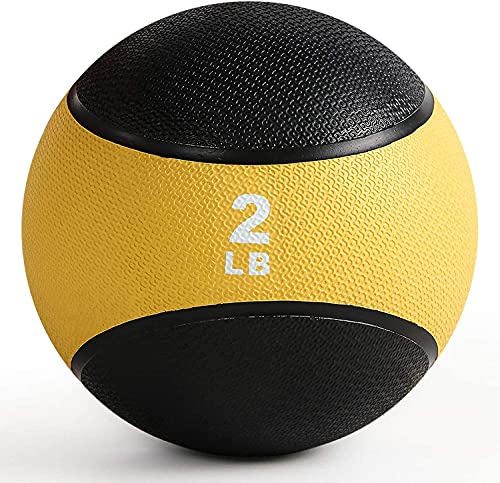
- Ten weights from 2 to 20 pounds
- Textured rubber grip
- Supports balance and coordination work
Best For: Users who want room to progress gradually
Best for Slam Training
ProsourceFit 15-Pound Slam Ball

- Sand-filled dead-weight design
- Tire-tread texture for traction
- Available from 5 to 50 pounds
Best For: Controlled slams and demanding conditioning workouts
Best Budget Slam Design
Amazon Basics 10-Pound Slam Ball

- Sand-filled core limits bounce
- Textured surface for sweaty workouts
- Suited to HIIT and CrossFit training
Best For: Home-gym slam and conditioning sessions
Budget-Friendly Core Trainer
Amazon Basics 6-Pound Medicine Ball

- Firm rubber construction
- Lightly textured gripping surface
- Suitable for twists, sit-ups, and squats
Best For: Foundational core and full-body exercises
Compact Grip Option
Core Weighted Medicine Ball 6 lb

- Cushioned vegan leather exterior
- Slip-resistant textured grip
- 7.9-inch diameter and 6-pound weight
Best For: Comfortable core, balance, and recovery routines
Best Budget Pick
Amazon Basics 4-Pound Medicine Ball

- Approachable 4-pound weight
- Textured rubber grip
- Suitable for core and balance work
Best For: Beginners and lighter core workouts
Best Heavy Option
Amazon Basics 12-Pound Medicine Ball

- Provides 12 pounds of resistance
- Firm rubber with textured grip
- Weight labeled on both sides
Best For: Experienced users and heavier core training
Best All-Around Pick – Amazon Basics 10-Pound Medicine Ball
For shoppers comparing medicine balls for core workouts, this 10-pound Amazon Basics model is a straightforward choice for classic weighted movements. Its firm rubber construction, lightly textured surface, and labeled weight support exercises such as twists, sit-ups, squats, and ball tosses.
Best For: Adults seeking a versatile 10-pound ball for core, balance, and full-body training.
Pros:
- Firm rubber construction with a lightly textured grip
- Suitable for twists, squats, sit-ups, tosses, and other classic exercises
- Can bounce off hard surfaces
- Weight is labeled on both sides
Cons:
- Only available in the supplied 10-pound configuration
- Its 9.3-inch diameter may feel large for some users or movements
This is a practical, no-frills option when you want one clearly labeled medicine ball for core strength, balance, coordination, and general conditioning.
Best Weight Variety – RitFit Balance Training Medicine Ball
RitFit stands out among medicine balls for core workouts because it offers ten weight options, ranging from 2 to 20 pounds. The textured, basketball-like rubber surface is designed to make gripping easier while supporting core, balance, coordination, and full-body movements.
Best For: Beginners and progressing athletes who want to select or gradually increase training weight.
Pros:
- Ten available weights from 2 to 20 pounds
- Textured rubber surface provides a more secure grip
- Supports core strength, balance, coordination, and full-body exercises
- Includes a stated one-year warranty
Cons:
- The supplied configuration is the 2-pound model
- Weight selection requires choosing among separate configurations
The broad weight range makes this a flexible pick for gradual progression, while the 2-pound option can suit lighter training and users building familiarity with medicine-ball movements.
Best for Slam Training – ProsourceFit 15-Pound Slam Ball
For medicine balls for core workouts that include slams, the ProsourceFit 15-pound model uses a sand-filled, dead-weight design to minimize bouncing and rolling. Its tire-tread texture supports grip during throws, slams, presses, squats, and other conditioning exercises.
Best For: Adults focused on controlled slam work, core stability, strength, power, and endurance.
Pros:
- Sand-filled construction minimizes bouncing and rolling
- Non-slip tire-tread surface supports traction
- Waterproof PVC shell is designed for demanding workouts
- Available in weights from 5 to 50 pounds
Cons:
- Dead-weight design is not intended for bouncing exercises
- The supplied 15-pound ball may be challenging for beginners
- Its 9-inch diameter can require adequate handling space
This is the more specialized choice here: its non-bouncing behavior favors slam training and controlled strength work rather than traditional rebound-based drills.
Best Budget Slam Design – Amazon Basics 10-Pound Slam Ball
Amazon Basics Heavy-Duty Slam Medicine Ball for Exercise, Weighted Design, 10lb, Black
Check Price On AmazonThis Amazon Basics slam ball is a focused option for medicine balls for core workouts that involve impact, HIIT, or CrossFit-style training. Its sand-filled PVC core is designed to absorb powerful slams and prevent unwanted bouncing, while the textured surface helps maintain grip during sweaty sessions.
Best For: Home-gym users wanting a 10-pound dead-weight ball for slams, core work, and conditioning.
Pros:
- Sand-filled core absorbs impacts and limits bouncing
- Textured non-slip surface supports a secure hold
- Balanced dead-weight design suits controlled and dynamic movements
- Useful for CrossFit, HIIT, strength, and cardiovascular training
Cons:
- Designed for slams rather than bouncing exercises
- The supplied model is limited to 10 pounds
- Its 7.87-inch diameter may not suit every user or exercise
Choose this model when impact absorption and a non-bouncing response matter more than rebound drills. It offers a compact format for core-focused conditioning and general training.
Progressive Training Pick – Core Weighted Medicine Ball 8 lb
For shoppers comparing medicine balls for core workouts, this 8-pound model offers a soft, slip-resistant vegan leather surface and a size that suits strength, balance, and recovery exercises. It is also part of a broad 4- to 30-pound range, making progression easier if you later choose another weight.
Best For: Adults who want a comfortable-grip medicine ball for varied full-body and core-focused training.
Pros:
- Textured vegan leather helps provide a secure grip.
- Available in weights from 4 to 30 pounds for gradual progression.
- Packed inner material is designed to maintain its shape through repeated use.
- Useful for strength training, balance work, and recovery exercises.
Cons:
- Not intended for slamming.
- The 8-pound ball may be too heavy or too light depending on your training level.
With its cushioned PU-leather construction and broad weight selection, this is a flexible option for controlled core exercises, though it is better suited to gripping and lifting movements than slam workouts.
Budget-Friendly Core Trainer – Amazon Basics 6-Pound Medicine Ball
This 6-pound rubber medicine ball is a straightforward choice for medicine balls for core workouts, with a lightly textured surface and weight markings on both sides. Its firm construction supports classic movements such as weighted twists, sit-ups, squats, and ball tosses.
Best For: Adults seeking an uncomplicated 6-pound ball for core strength, balance, and full-body exercises.
Pros:
- Firm rubber construction is suitable for classic medicine-ball exercises.
- Lightly textured surface supports grip during workouts.
- Weight is labeled on both sides for easy identification.
- Can bounce off hard surfaces.
Cons:
- Only the 6-pound size is specified in the supplied details.
- Rubber construction may feel firmer than a soft-touch medicine ball.
Its familiar design and 7.6-inch diameter make it a practical pick for foundational core and coordination work, especially if you prefer a firm rubber ball for exercises involving controlled bouncing or tossing.
Compact Grip Option – Core Weighted Medicine Ball 6 lb
If you want medicine balls for core workouts with a softer feel, this 6-pound Core model combines a cushioned vegan leather exterior with a slip-resistant texture. Its 7.9-inch diameter and manageable weight suit controlled strength, balance, and recovery movements.
Best For: Adults who want a 6-pound medicine ball with a comfortable grip for core and full-body routines.
Pros:
- Soft-touch vegan leather provides a cushioned hand feel.
- Textured surface helps reduce slipping during exercise.
- Available in weights from 4 to 30 pounds for future progression.
- Packed inner material is designed to resist warping during repeated use.
Cons:
- Not intended for slamming.
- A 6-pound ball may not meet the needs of advanced heavy-load training.
This model is a good fit for users prioritizing comfort and grip during core exercises, while the wider size range provides a convenient path to heavier training later.
Best Budget Pick – Amazon Basics 4-Pound Medicine Ball
For shoppers seeking medicine balls for core workouts, this 4-pound Amazon Basics model is a practical starting point. Its firm rubber construction, lightly textured grip, and ready-to-use design suit weighted twists, sit-ups, squats, tosses, and broader full-body routines.
Best For: Beginners and anyone wanting a lighter medicine ball for core, balance, and coordination exercises.
Pros:
- 4-pound weight is approachable for many core and full-body movements.
- Textured rubber surface supports a secure grip.
- Can bounce off hard surfaces and arrives ready to use.
- Useful for twists, sit-ups, squats, tosses, and balance work.
Cons:
- Only one 4-pound weight is included.
- Its lighter load may be limiting for advanced strength training.
This is a straightforward, versatile option when you want a manageable medicine ball for core workouts without moving immediately into heavier resistance.
Best for Progression – Core 4-Pound Soft-Touch Medicine Ball
This Core medicine ball is a flexible choice for medicine balls for core workouts, especially if you want a consistent path to heavier training. It is offered in weights from 4 to 30 pounds and uses a textured vegan leather cover with a cushioned feel for strength, balance, recovery, and full-body exercises.
Best For: Users who want multiple weight options and a softer, slip-resistant surface for progressive training.
Pros:
- Available in a broad range from 4 to 30 pounds.
- Textured vegan leather helps prevent slipping.
- Cushioned surface feels gentler on the hands than rough materials.
- Impact-resistant filling is designed to maintain its shape through repeated use.
Cons:
- Not intended for slamming.
- The listed version is the 4-pound model, so heavier resistance requires selecting another size.
Choose this model when weight progression and hand comfort matter more than slam training. Its range and multipurpose design make it adaptable as your routine develops.
Best Heavy Option – Amazon Basics 12-Pound Medicine Ball
For more demanding medicine balls for core workouts, this 12-pound Amazon Basics ball provides a substantially heavier training load. The firm rubber design has a lightly textured surface, clearly labeled weight, and a 9.3-inch diameter for weighted twists, squats, sit-ups, tosses, and full-body work.
Best For: Experienced users who want heavier resistance for core-strength and full-body exercises.
Pros:
- 12-pound weight adds significant resistance to core movements.
- Firm rubber construction is built for regular exercise use.
- Lightly textured surface supports grip.
- Weight is clearly labeled on both sides and the ball can bounce off hard surfaces.
Cons:
- Heavier weight may be challenging for beginners.
- Its 9.3-inch diameter is larger than the listed 4-pound option.
This is the better fit when a lighter ball no longer provides enough challenge. Consider your lifting experience and exercise control before choosing the 12-pound size.
How We Picked the Best Medicine Balls for Core Workouts
We focused on the features that affect everyday training: available weight ranges, handling, surface texture, construction, versatility, and suitability for common core exercises. A useful medicine ball should feel secure during presses, twists, carries, and controlled throws, while slam-oriented models should be designed to tolerate repeated impact.
Because the selected products include both general-purpose weighted balls and dead-weight slam balls, we considered how each type fits different workouts rather than treating every model as interchangeable.
Quick Comparison
| Best For | Look For | Typical Design |
|---|---|---|
| Core strength and stability | Comfortable grip and moderate weight | Traditional weighted ball |
| Rotational exercises | Manageable size and secure surface | Textured or soft-touch shell |
| Slams and conditioning | Dead-weight, impact-resistant construction | Slam medicine ball |
| Progressive training | Several available weight options | Single ball or matching weight range |
Key Buying Factors for Medicine Balls for Core Workouts
Weight
Choose a load that lets you maintain posture and control through the full range of motion. Lighter balls generally work better for fast rotations, Russian twists, and longer circuits. Heavier balls can increase the challenge of presses, carries, and slow anti-rotation movements, but they should not force you to compensate with your lower back.
Construction and Intended Use
Standard weighted balls are suited to controlled strength and stability exercises. Slam balls are built for repeated drops and usually have a dead-weight design that does not bounce significantly. Do not assume a traditional medicine ball is safe for slamming unless the manufacturer specifically says so.
Grip and Surface
Textured rubber can improve control when your hands become sweaty, while soft-touch or leather-style surfaces may feel more comfortable for floor exercises and partner work. Consider the ball’s diameter as well as its texture: a ball that is too large or difficult to hold can undermine technique.
Space and Flooring
Check whether the ball is appropriate for indoor use, and protect floors when performing impact exercises. A slam ball may still create substantial noise, so apartment dwellers should consider training time, flooring, and whether a non-impact alternative is more practical.
Who Should Buy Which Medicine Balls for Core Workouts?
Beginners: Start with a lighter, easy-to-grip weighted ball that supports learning proper bracing and rotation mechanics.
Strength-focused users: Choose a heavier traditional medicine ball with a dependable surface for presses, loaded carries, sit-ups, and controlled partner exercises.
Conditioning enthusiasts: Select a slam ball with dead-weight construction and a durable exterior for high-intensity intervals.
Progressive trainees: Look for a product line offered in multiple weights so you can increase resistance gradually without changing your movement patterns.
Whichever model you choose, prioritize a weight you can control consistently. Quality core training depends more on stable technique and progressive loading than on selecting the heaviest ball available.