The best arm bikes for home use make low-impact upper-body exercise easier to fit into daily routines, whether you want gentle rehabilitation, seated movement, or a more complete indoor workout.
Our roundup includes compact under-desk pedal exercisers, adjustable arm cycles, portable therapy models, and recumbent bikes with integrated arm exercisers. Use the guide below to match the design, resistance, portability, and monitoring features to your goals.
Best 10 Arm Bikes for Home Use Picks for 2026
Best Full-Body Option
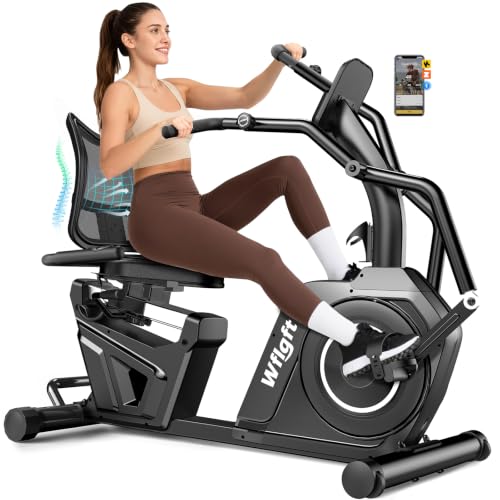
- Arm and leg movement can be used together or separately
- 16 magnetic resistance levels and Bluetooth app support
- 450-pound capacity with adjustable recumbent comfort
Best For: Low-impact full-body cardio and home rehabilitation
Best Portable Pick
RYGEO Folding Arm and Leg Pedaler

- Compact under-desk design for arm or leg cycling
- Folds quickly and arrives fully assembled
- Adjustable low resistance suits light exercise
Best For: Portable, gentle workouts at home or in the office
Best for Rehab Stability

- Suction base helps secure the unit on smooth surfaces
- Adjustable resistance for mobility and strengthening work
- Lightweight, compact, and requires no assembly
Best For: Targeted upper-body rehabilitation and gentle mobility
Best Tracking Value
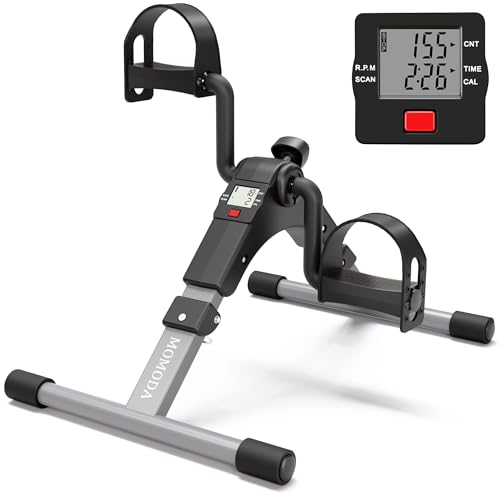
- LCD shows time, count, RPM, calories, and scan data
- Five resistance levels for warm-up and recovery use
- Foldable and portable for home or office storage
Best For: Light arm-and-leg exercise with basic workout tracking
Versatile Rehab Pick
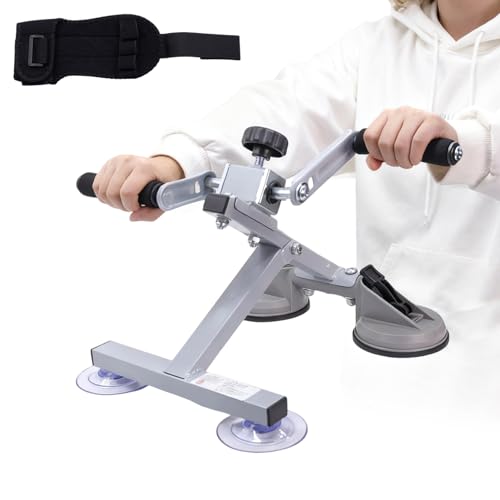
- Three arm-training modes
- Three adjustable resistance levels
- Portable with tabletop suction support
Best For: Rehabilitation, gentle arm exercise, and travel use
Desk-Friendly Dual-Use Pick
Foldable Arm and Leg Pedal Exerciser

- Works for arms or legs
- LCD tracks basic workout data
- Folds for compact storage
Best For: Light seated movement in home or office settings
Simple Therapy Choice
Adjustable Arm and Shoulder Cycle

- Three rehabilitation training methods
- Adjustable tension knob
- Suction and silicone anti-slip support
Best For: Basic arm mobility and strength exercises
Best Full-Body Recumbent Pick

- Simultaneous arm and leg movement
- Eight magnetic resistance levels
- 380-pound capacity with adjustable seat
Best For: Low-impact full-body home workouts
Best for Tabletop Therapy

- Stable desktop clamp design
- Adjustable resistance knob
- Fits tables 0.4 to 1.95 inches thick
Best For: Seated arm rehabilitation and tabletop workouts
Best Seated Budget Trainer

- Seated upper- and lower-limb exercise
- LCD progress display
- Lightweight 15.4-pound design
Best For: Seniors seeking gentle everyday home movement
Best Full-Body Option – WFLGFT Recumbent Arm Bike
For shoppers comparing arm bikes for home use, this recumbent model stands out by combining arm and leg movement in a supportive seated design. It offers 16 magnetic resistance levels, an LCD monitor, heart-rate sensors, and Bluetooth app support for structured workouts.
Best For: Adults and seniors seeking low-impact, full-body cardio or home rehabilitation support.
Pros:
- Synchronized or separate arm and leg exercise helps customize workouts.
- 16 resistance levels accommodate recovery, cardio, and endurance training.
- Recumbent seat, breathable backrest, and adjustable fit support longer sessions.
- Heavy-duty frame supports up to 450 pounds and operates quietly.
Cons:
- The larger recumbent design requires more floor space than a mini pedal exerciser.
- Bluetooth app features may be more than casual users need.
This is the most feature-rich choice in the group for users who want seated comfort, substantial stability, and both upper- and lower-body exercise in one machine.
Best Portable Pick – RYGEO Folding Arm and Leg Pedaler
This RYGEO mini exerciser is a practical option for people who want arm bikes for home use without committing to a full-size machine. Its manual resistance knob, compact footprint, folding frame, and ready-to-use setup make it easy to place under a desk or move between rooms.
Best For: Seniors, office workers, and users needing light arm or leg cycling in a compact format.
Pros:
- Supports low-intensity arm and leg workouts.
- Folds quickly and arrives fully assembled.
- Compact design fits under many desks and is easy to carry.
- Pedal straps and thicker steel construction help with stability and durability.
Cons:
- It has manual operation and no display for tracking workout data.
- The low-resistance design is aimed at light exercise rather than demanding training.
Choose this model when portability and simple operation matter more than advanced tracking or high-intensity resistance. It is especially suitable for gentle movement during desk work or recovery routines.
Best for Rehab Stability – Suction-Base Arm Cycle
For targeted upper-body movement, this compact arm cycle is designed around physical therapy and home rehabilitation. Its suction base is intended to secure the unit to smooth surfaces, while the tension knob provides adjustable resistance for gentle mobility work or moderate strengthening.
Best For: Stroke recovery, post-surgery shoulder rehabilitation, arthritis-related mobility work, and users with limited strength.
Pros:
- Suction cup base is designed for stability on smooth tables and other polished surfaces.
- Adjustable resistance supports gentle mobilization through moderate training.
- Compact, lightweight, and ready to use without assembly.
- Non-slip handles support comfortable seated arm cycling.
Cons:
- The suction base is intended for smooth surfaces, so placement options may be limited.
- It focuses on arm exercise rather than combined arm-and-leg workouts.
This is a focused choice for rehabilitation rather than general cardio. Its small footprint and smooth, quiet rotation make it convenient for use at a table, desk, or while watching television.
Best Tracking Value – Foldable LCD Arm Pedaler
This foldable pedal exerciser adds basic workout tracking to the compact arm-bike format. It can be used for arm or leg exercise, placed under a desk, and adjusted with a tension knob, while its LCD monitor displays time, count, RPM, calories, and scan data.
Best For: Home or office users who want a portable arm-and-leg pedaler with simple progress tracking.
Pros:
- Supports low-impact arm and leg exercise.
- LCD monitor tracks time, count, RPM, calories, and scan mode.
- Foldable, lightweight design is easy to store and move.
- Five resistance levels allow basic warm-up and recovery adjustment.
Cons:
- It has a listed maximum weight recommendation of 50 pounds.
- Battery power is required for the LCD monitor.
- The compact manual design may provide less stability than a full-size recumbent bike.
If tracking simple workout metrics is important, this model offers more feedback than the RYGEO mini pedaler while retaining a space-saving footprint. It is best suited to light, convenient exercise rather than intensive cycling.
Versatile Rehab Pick – 3-Mode Hand Bike Exerciser
Among arm bikes for home use, this tabletop hand bike stands out for its three training modes and portable design. It supports independent or synchronized arm movement, offers three resistance levels, and can be used at home, in an office, or while traveling.
Best For: Stroke rehabilitation, post-surgery recovery, shoulder and wrist exercise, and low-impact desk workouts.
Pros:
- Supports single-arm, synchronized, and standard arm cycling modes.
- Adjustable resistance with three levels for gradual training.
- Oversized suction cups and silicone pads help secure it to smooth tabletops.
- Lightweight, portable 5-pound design assembles with the included hex wrench.
Cons:
- Designed for tabletop use rather than full-body exercise.
- Its three resistance levels may be limiting for users seeking highly precise adjustments.
This is a practical choice when rehabilitation flexibility and portability matter most. The multiple movement options make it adaptable for different users and stages of arm training.
Desk-Friendly Dual-Use Pick – Foldable Arm and Leg Pedal Exerciser
This foldable pedal exerciser is a flexible option among arm bikes for home use, especially for people who want one compact machine for seated arm and leg movement. Its LCD display tracks basic workout data, while adjustable resistance supports relaxed or more active sessions.
Best For: Remote workers, seniors, students, and anyone wanting light seated exercise at home or in an office.
Pros:
- Supports both arm and leg exercise with adjustable pedal straps.
- LCD display shows time, count, speed RPM, and estimated calories.
- Foldable design stores under a desk, beside a sofa, or in a bedroom.
- Manual resistance adjustment accommodates different workout paces.
Cons:
- It is a general pedal exerciser rather than a dedicated rehabilitation arm bike.
- The larger 19.7-by-14.6-by-9-inch footprint may require more storage space than a tabletop arm cycle.
Choose this model if versatility and easy storage are higher priorities than specialized arm-rehabilitation features. The display also makes it useful for monitoring light daily activity.
Simple Therapy Choice – Adjustable Arm and Shoulder Cycle
For shoppers comparing arm bikes for home use, this portable arm cycle focuses on straightforward rehabilitation and adjustable resistance. It offers three training methods, including one-hand and synchronized cycling, with suction support for use on solid surfaces such as wood or marble tables.
Best For: Seniors and users working on arm mobility, range of motion, or strength after an injury or stroke.
Pros:
- Provides one-hand, synchronized, and standard arm-bike training.
- Resistance adjusts by turning the tension knob.
- Two suction cups and two silicone pads help reduce movement on solid tables.
- Simple installation is designed to take about two minutes.
Cons:
- Only three resistance levels are specified.
- Its suction-based stability is intended for solid, smooth surfaces.
- It has fewer tracking features than models with a workout display.
This model is a sensible pick for users who want uncomplicated arm therapy equipment without electronic features. Its adjustable tension and multiple training methods allow exercises to progress from gentle mobility work toward strength building.
Best Full-Body Recumbent Pick – Quiet Arm-and-Leg Bike
If you want arm bikes for home use that combine upper- and lower-body cardio, this recumbent model is a versatile option. Its dual-action handles, padded seat, and low-impact design support comfortable workouts, while eight magnetic resistance levels let you adjust the challenge.
Best For: Home users who want a supported, low-impact full-body workout with arm and leg movement.
Pros:
- Works the arms and legs simultaneously.
- Eight magnetic resistance levels provide adjustable intensity.
- Sliding seat accommodates users from 4’9″ to 6’3″ and supports up to 380 pounds.
- Backlit monitor tracks time, speed, distance, calories, odometer, and pulse.
Cons:
- At 62.2 pounds, it is less portable than compact pedal exercisers.
- Its recumbent frame requires more floor space than a desktop arm bike.
This is the strongest choice for shoppers prioritizing comfort, stability, and a complete seated workout. Transport wheels help with repositioning, but its larger frame makes it better suited to a dedicated home exercise area.
Best for Tabletop Therapy – Clamp-On Arm Bike
For shoppers seeking arm bikes for home use in a compact format, this hand bike mounts directly to a tabletop. The clamp design is intended to stay steadier than a suction cup, and the tension knob allows users to select a gentler or more challenging resistance level.
Best For: Seated arm rehabilitation, shoulder exercise, and low-impact tabletop training.
Pros:
- Desktop clamp helps prevent sliding during use.
- Fits tabletops from 0.4 to 1.95 inches thick.
- Adjustable resistance supports both gentle rehabilitation and stronger arm exercise.
- Metal construction and a silicone clamp pad provide durability and desk protection.
Cons:
- It focuses on upper-limb exercise rather than full-body pedaling.
- It requires a compatible table edge for installation.
This is a practical, space-saving option when arm training is the priority. Its fixed clamp makes it more suitable for consistent tabletop sessions than for users who need a freely portable exerciser.
Best Seated Budget Trainer – Compact Arm-and-Leg Pedaler
This pedal exerciser suits shoppers comparing arm bikes for home use with a lightweight, seated design. It supports synchronized arm and leg movement, includes an LCD display, and is designed for gentle exercise while sitting—useful for seniors and people working on mobility or strength.
Best For: Seniors and home users who want low-impact seated movement for both upper and lower limbs.
Pros:
- Supports arm, leg, hand, and knee exercise in a seated position.
- LCD monitor displays time, distance, swing counts, and calories.
- Thickened steel tubing and four corner feet promote stability.
- At 15.4 pounds, it is easier to reposition than a full-size recumbent bike.
Cons:
- The listed maximum weight recommendation is 264 pounds.
- It provides less resistance customization detail than the magnetic recumbent bike.
- Its six-month warranty is relatively limited.
This model emphasizes accessible, low-impact movement rather than intense conditioning. Its lighter construction and seated format make it convenient for everyday home exercise, especially when portability and simple progress tracking matter.
How We Picked the Best Arm Bikes for Home Use
We focused on the features that matter most for home exercise: adjustable resistance, stable construction, comfortable operation, portability, ease of setup, and useful activity tracking. We also considered how each style fits different needs, including physical therapy, senior exercise, desk use, and full-body seated workouts.
Because these products vary considerably, the right choice depends less on having the most features and more on choosing a design that matches your strength, mobility, available space, and desired workout intensity.
Quick Comparison
| Type | Best for | Main advantage | Potential limitation |
|---|---|---|---|
| Compact arm cycle | Upper-body exercise and rehab | Small footprint and focused motion | Usually works only the arms |
| Under-desk pedal exerciser | Light movement at home or work | Can train arms or legs while seated | May move without a secure base |
| Recumbent bike with arm exerciser | Full-body seated workouts | Combines leg cycling and arm exercise | Requires more space and typically costs more |
| Therapy hand bike | Rehabilitation and gentle mobility work | Designed for controlled upper-body movement | Not intended for high-intensity training |
Key Buying Factors for Arm Bikes for Home Use
Resistance and Adjustability
Look for multiple resistance settings if more than one person will use the machine or if you expect to progress over time. For rehabilitation, smooth and light resistance is often more important than a high maximum level.
Stability and Mounting
A wide base, nonslip feet, straps, or a clamp can help prevent the unit from sliding during use. Compact pedal exercisers are especially sensitive to floor and tabletop surfaces, so check how securely the model can be positioned.
Size, Weight, and Storage
Measure the area where you plan to exercise, including clearance for arm movement. Foldable and lightweight models are easier to store, while recumbent designs provide more support but need a permanent space.
Controls and Tracking
An LCD monitor may show time, revolutions, speed, or estimated calories. These readings are useful for consistency, but they are generally estimates rather than medical-grade measurements. Simple dial controls can be preferable when ease of use is the priority.
Comfort and Safety
Choose a handle shape and motion that feel comfortable, and begin with low resistance. Anyone recovering from injury, stroke, or surgery should follow guidance from a qualified clinician and stop if exercise causes pain, dizziness, or unusual weakness.
Who Should Buy Which Arm Bikes for Home Use?
Choose a compact arm cycle if your priority is upper-body movement, desk-side exercise, or a small storage footprint. Choose a therapy-focused hand bike if you need gentle, controlled motion for a rehabilitation routine. Choose an under-desk pedal exerciser if you want one portable device for occasional arm and leg movement while seated. Choose a recumbent bike with an arm exerciser if you want better back support and a more complete full-body workout. Seniors and beginners should prioritize stability, simple controls, low starting resistance, and a comfortable seated position over advanced tracking features.