If you want a fitness tracker with long battery life, the best options do more than count steps. They make it easier to stay consistent with sleep, heart-rate, and activity tracking without constant charging.
In this roundup, we focus on trackers that balance endurance, comfort, and useful health features so you can choose the right one for daily wear, workouts, and travel.
Best 10 Fitness Tracker with Long Battery Life Picks for 2026
Ultra-Battery AMOLED Pick

- 21-day battery life with 1-hour fast charging
- 1.72-inch AMOLED screen at 1500 nits brightness
- Tracks sleep, heart rate, and multi-sport workouts
Best For: Users who want a long-lasting fitness band with a bright display
Wellness-Focused Tracker

- Up to 10 days of battery life
- Tracks sleep, stress, SpO2, and 24/7 heart rate
- Includes 40+ exercise modes and auto tracking
Best For: People who want wellness tracking in a small, comfortable band
Android AMOLED Value Pick

- Up to 14 days of battery life
- 1.6-inch AMOLED display with 1000-nit brightness
- 101+ workout modes with auto detection
Best For: Android users who want a bright, long-lasting tracker
Budget Long-Run Tracker

- 10-14 days of regular battery life
- Tracks heart rate, sleep, SpO2, and blood pressure
- 25 sports modes with IP68 water resistance
Best For: Budget shoppers who want long battery life and core health tracking
Android fitness tracker pick
Samsung Galaxy Fit 3 with AMOLED Display

- Up to 14 days of battery life
- 1.6-inch AMOLED display
- 101+ workout modes with auto detection
Best For: Android users wanting a slim, long-lasting tracker
No-phone tracker option
Slim Pedometer Watch with 14-Day Battery
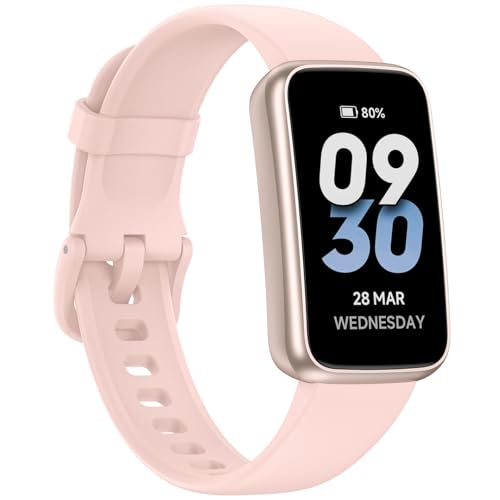
- No app or phone required
- Up to 14 days of usage and 30 days standby
- 30-meter water resistance
Best For: Buyers who want a simple tracker without smartphone setup
Advanced smartwatch pick
Amazfit Bip 6 with GPS and 14-Day Battery

- Up to 14 days of battery life
- Built-in GPS with free maps
- 140+ workout modes and AI coaching
Best For: Active users wanting GPS and broad fitness tracking
Premium Recovery Tracker
WHOOP 5.0/MG 12-Month Membership
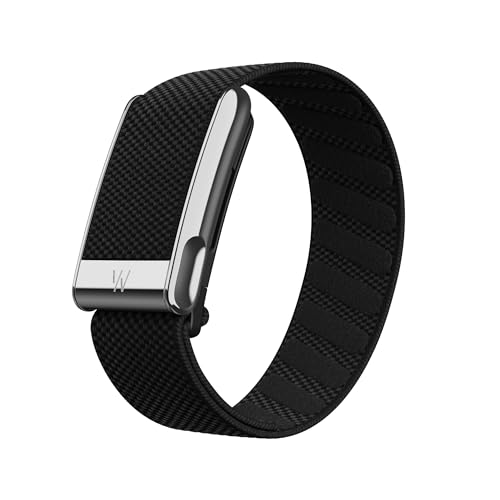
- Up to 14+ day battery life
- Screenless, distraction-free design
- Tracks recovery, sleep, strain, and heart health
Best For: Athletes who want deep health coaching and long wear time
Balanced Daily Wear Tracker
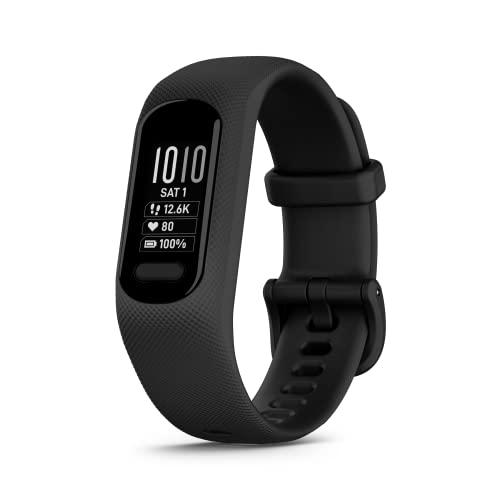
- Up to 7 days battery life
- Tracks sleep, stress, heart rate, and Body Battery
- Includes smart notifications and app-connected GPS
Best For: Daily users who want a dependable health tracker with Garmin features
Ultra-Battery AMOLED Pick – Xiaomi Smart Band 10
If you want a fitness tracker with long battery life and a bigger, brighter display, the Xiaomi Mi Smart Band 10 is built for everyday wear. Its 1.72-inch AMOLED screen, 1500 nits brightness, and 21-day battery life make it a practical option for users who want strong visibility and fewer charging interruptions.
Best For: People who want a long-lasting, budget-friendly fitness band with a large AMOLED display and broad activity tracking.
Pros:
- Up to 21 days of battery life, with fast charging in about 1 hour
- Large 1.72-inch AMOLED display with 1500 nits brightness for outdoor readability
- Tracks multi-sport activity, heart rate, sleep, and swimming direction
- Water resistant to 5ATM, so it suits pool sessions and daily wear
Cons:
- Xiaomi Fit app only supports the metric system natively
- No built-in GPS listed
This is a strong pick if battery life matters as much as screen quality. It stands out for users who want a simple band that can handle workouts, sleep tracking, and daily use without frequent charging.
Wellness-Focused Tracker – Fitbit Inspire 3
The Fitbit Inspire 3 is a good fitness tracker with long battery life if you want a lightweight wellness band that focuses on health habits. It lasts up to 10 days per charge and covers sleep, stress, and heart rate tracking in a compact, easy-to-wear design.
Best For: Users who want stress, sleep, and heart-rate tracking in a small tracker with solid battery life.
Pros:
- Up to 10 days of battery life for low-maintenance daily use
- Tracks 24/7 heart rate, sleep score, stress management, and SpO2
- Includes automatic exercise tracking and 40+ exercise modes
- Water resistant to 50 meters and includes both small and large bands
Cons:
- Battery life is shorter than some competing long-life trackers
- Small 0.76-inch display limits on-screen space
Fitbit’s strength here is the balance of wellness features and wearability. It makes sense if you care more about health insights and sleep tracking than having the biggest screen or longest battery life in the class.
Android AMOLED Value Pick – Samsung Galaxy Fit3
If you’re shopping for a fitness tracker with long battery life and an easy-to-read display, the Samsung Galaxy Fit3 is a straightforward Android-only option. It pairs a 1.6-inch AMOLED screen with up to 14 days of battery life and adds auto-detected workouts plus key health features.
Best For: Android users who want a bright screen, long battery life, and simple fitness tracking.
Pros:
- Up to 14 days of battery life with a 208mAh battery
- 1.6-inch AMOLED display with 1000-nit brightness
- Supports 101+ workout modes with auto detection
- Includes sleep coaching, SpO2, heart rate, and snore detection
Cons:
- Compatible with Android only, not iPhone or iOS
- No built-in GPS listed
This is a solid fit for Android users who want a clean, bright band that lasts well beyond a week. It offers a strong mix of battery life and practical health tracking without overcomplicating the experience.
Budget Long-Run Tracker – USMECBL Fitness Band
This fitness tracker with long battery life is aimed at buyers who want broad health and activity monitoring without a premium price tier. It offers a 1.47-inch OLED display, 25 sports modes, and a claimed 10-14 days of regular use, making it a practical day-and-night band.
Best For: Budget-minded users who want long battery life and core health tracking in a lightweight band.
Pros:
- 10-14 days of regular battery life, with up to 30 days standby
- Tracks heart rate, sleep stages, blood oxygen, and blood pressure
- 25 sports modes with automatic step, distance, and calorie tracking
- Works with iOS and Android and is IP68 waterproof
Cons:
- No built-in GPS listed
- Brand/app ecosystem appears more basic than major-name alternatives
For shoppers prioritizing battery life over premium extras, this model covers the essentials well. It is best viewed as a simple all-day tracker for steps, sleep, and health monitoring rather than a feature-heavy smartwatch replacement.
Android fitness tracker pick – Samsung Galaxy Fit 3 with AMOLED Display
If you want a fitness tracker with long battery life and a bright, easy-to-read screen, the Samsung Galaxy Fit 3 is built for straightforward daily wear. It pairs a 1.6-inch AMOLED display with up to 14 days of battery life, plus automatic workout detection and core health tracking for Android users.
Best For: Android users who want a slim tracker with strong battery life and clear display quality.
Pros:
- Up to 14 days of battery life for less frequent charging
- 1.6-inch AMOLED display makes stats and notifications easy to read
- 101+ workout modes with auto detection for common exercises
- Includes sleep coaching, SpO2, heart rate, and snore detection
Cons:
- Only compatible with Android devices
- No GPS listed in the supplied details
- Samsung Pay is not supported
As a practical everyday tracker, the Fit 3 focuses on the basics that matter most: battery life, readable fitness data, and broad workout support. It is a strong fit if you do not need iPhone compatibility or advanced payment features.
No-phone tracker option – Slim Pedometer Watch with 14-Day Battery
This fitness tracker with long battery life is aimed at buyers who want a simple wrist device without app setup or phone pairing. It offers up to 14 days of use, 30 days of standby time, and basic health monitoring in a slim, lightweight design.
Best For: People who want an easy-to-use tracker that works without a smartphone.
Pros:
- No app or phone required for use
- Up to 14 days of usage and 30 days of standby time
- 30-meter water resistance for water sports and diving
- Includes heart rate, blood oxygen, sleep, and step tracking
Cons:
- Only 10 sports modes are preloaded, despite 100 total modes
- No GPS listed in the supplied details
- Feature set is more basic than full smartwatch models
This is a good fit if you value simplicity and battery life over app-based training tools. The slim build and no-phone design make it especially appealing for everyday wear and low-maintenance tracking.
Advanced smartwatch pick – Amazfit Bip 6 with GPS and 14-Day Battery
If you want a fitness tracker with long battery life and more advanced training tools, the Amazfit Bip 6 stands out with 14-day battery life, built-in GPS, and a large AMOLED display. It covers workouts, health metrics, maps, and phone features while still aiming to avoid nightly charging.
Best For: Active users who want GPS, broad workout support, and strong battery life in one watch.
Pros:
- Up to 14 days of battery life
- Built-in GPS with free maps and turn-by-turn directions
- 140+ workout modes plus AI coaching
- Works with both Android and iOS devices
Cons:
- No USB-C cable included, according to the notes
- Bulkier 46mm size may not suit everyone
- More feature-rich than a basic step tracker
The Bip 6 is the most capable all-rounder in this group, especially if GPS and training variety matter as much as battery life. It is a strong choice for people who want a smartwatch-style tracker without constant charging.
Premium Recovery Tracker – WHOOP 5.0/MG 12-Month Membership
If you want a fitness tracker with long battery life that stays out of the way, WHOOP 5.0/MG is built for round-the-clock wear. Its screenless design focuses on recovery, strain, sleep, and heart health, while the included wireless power pack helps make extended use easier to manage.
Best For: Athletes and performance-focused users who want deep health insights without a display.
Pros:
- Up to 14+ day battery life supports continuous wear.
- Monitors sleep, strain, recovery, VO2 max, menstrual cycle, stress, and heart rate.
- Includes Heart Screener with on-demand ECG and irregular rhythm notifications.
- Integrates with Apple Health, Google Health Connect, Strava, and TrainingPeaks.
Cons:
- Requires a 12-month membership to use the system.
- No screen, so you must rely on the app for feedback.
- Designed more for health optimization than quick on-wrist glance stats.
WHOOP stands out if your priority is long battery life plus detailed recovery tracking rather than smartwatch features. It is a strong choice for users who want coaching-driven insights and can live without a display.
No-Phone Pedometer Pick – Long Battery Pedometer Watch
This fitness tracker with long battery life is a simple option if you want core health tracking without app setup or smartphone pairing. The watch keeps things straightforward with step counting, heart rate, blood oxygen, and sleep monitoring in a slim, lightweight design.
Best For: Users who want a basic, easy-to-use tracker with no phone required.
Pros:
- Up to 14 days of usage with 30 days standby time.
- No app or phone connection required.
- Includes heart rate, blood oxygen, sleep, and pedometer tracking.
- Water resistant to 30 meters and built with a slim, lightweight body.
Cons:
- Feature set is simpler than most connected smartwatches.
- Some sport modes require app use to unlock additional options.
- Display is analog-digital rather than a full smartwatch-style interface.
This is a practical pick for shoppers who value convenience and battery life over advanced app-based coaching. It is especially appealing if you want a watch that behaves more like a traditional pedometer with extra health sensors.
Balanced Daily Wear Tracker – Garmin vívosmart 5 Large
If you need a fitness tracker with long battery life for everyday wear, the Garmin vívosmart 5 is a balanced choice with up to 7 days of battery life. It combines health monitoring, smart notifications, and a larger display into a comfortable band that is easy to live with day to day.
Best For: Everyday users who want a reliable tracker with solid health features and smartphone pairing.
Pros:
- Up to 7 days of battery life in smartwatch mode.
- Tracks steps, sleep, stress, heart rate, respiration, hydration, and Body Battery.
- Includes built-in sports apps and GPS-connected outdoor tracking through your phone.
- Offers smart notifications and incident detection when paired with a smartphone.
Cons:
- Full setup and many features depend on the Garmin Connect app.
- Battery life is shorter than some long-endurance rivals.
- Small display may still feel limited for users wanting a true smartwatch screen.
The vívosmart 5 is a sensible middle ground for buyers who want more guidance than a basic step counter but less complexity than a full smartwatch. It is best suited to consistent daily tracking rather than ultra-long battery endurance.
How We Picked the Best Fitness Tracker with Long Battery Life
We looked for models that offer a strong mix of battery life, comfort, reliability, and everyday usefulness. A good Fitness Tracker with Long Battery Life should reduce charging anxiety while still delivering the essentials: step counting, heart-rate monitoring, sleep tracking, workout modes, and clear app support where applicable.
We also considered display quality, water resistance, device compatibility, and whether the tracker is best for casual wellness, training, or simple no-fuss wear.
Quick Comparison
Among this group, some models lean toward full-featured smart tracking with AMOLED displays and richer apps, while others prioritize simplicity and the longest practical runtime. If you want a more advanced all-rounder, look at the models with GPS, call support, or broader health features. If your priority is basic tracking with minimal charging, simpler bands and no-phone-required designs may be the better fit.
Key Buying Factors for a Fitness Tracker with Long Battery Life
Battery Claims Vs. Real-World Use
Manufacturer battery estimates are often based on lighter usage. Always account for brighter displays, continuous heart-rate monitoring, GPS, notifications, and frequent workouts, which can shorten runtime.
Health and Activity Features
Choose the tracking features you will actually use. For some buyers, sleep and heart-rate tracking are enough. Others may want blood oxygen readings, stress insights, or more workout modes.
Comfort and Display
A tracker only helps if you wear it consistently. Slim, lightweight bands are often better for sleep and all-day wear, while larger AMOLED screens improve readability and menu navigation.
App and Phone Dependence
Some users want deep app integration, while others prefer a simple device that works with minimal setup. Decide whether you need advanced insights, phone notifications, or a more basic standalone experience.
Water Resistance and Durability
If you plan to wear your tracker while washing hands, swimming, or training outdoors, water resistance matters. Look for a model suited to your routine, not just the longest battery spec on paper.
Who Should Buy Which Fitness Tracker with Long Battery Life?
If you want the best balance of features and endurance, choose a feature-rich tracker with a strong battery and a clear display. If you mainly want wellness basics and easy daily wear, a lighter band-style tracker is usually the best fit.
If you prefer a simple device with little maintenance, look at no-app or no-phone-required options. If you want more training tools, notifications, and a larger screen, choose a smartwatch-style fitness tracker instead. The best Fitness Tracker with Long Battery Life is the one that matches how often you’ll wear it and how much data you actually need.