The best fitness trackers for biking can help you monitor speed, distance, heart rate, cadence, sleep, and training progress without overcomplicating every ride.
This roundup includes dedicated cycling computers, wireless sensors, chest straps, and multipurpose wearables, so you can choose based on the data you need and how you ride.
Best 10 Fitness Trackers for Biking Picks for 2026
Best Wearable Tracker
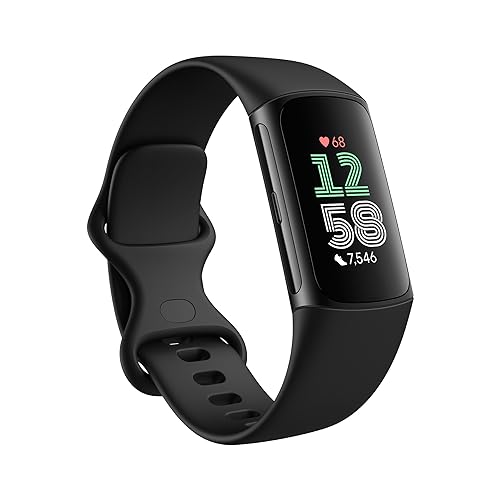
- Built-in GPS with ride directions
- Tracks heart rate, sleep, and activity
- Up to seven days of battery life
Best For: All-day fitness and cycling tracking from the wrist
Best Simple GPS Computer

- GPS tracks distance, time, and altitude
- 2-inch backlit screen for ride visibility
- Up to 50 hours of battery life
Best For: Straightforward GPS data on outdoor rides
Best Cadence Sensor
Sunny CB110 Speed and Cadence Sensor

- Switches between speed and cadence
- Bluetooth connects to SunnyFit
- Up to 500 hours of battery life
Best For: App-based indoor and outdoor cycling metrics
Best Advanced Cycling Computer

- Large 3.8-inch mapping display
- Live AirBoost and AirDrag metrics
- Up to 30 hours of battery life
Best For: Performance-focused riders wanting detailed ride control
Heart-Rate Upgrade

- Real-time heart rate and HRV transmission
- Up to one year of replaceable-battery life
- Machine-washable strap with 3 ATM rating
Best For: Cyclists seeking dedicated heart-rate data for compatible Garmin and training devices
Bike Metrics Pick
Magene S3+ Speed/Cadence Sensor
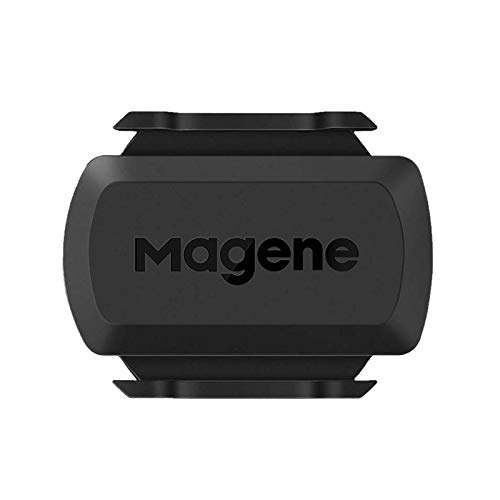
- Selects speed or cadence mode
- Bluetooth and ANT+ connectivity
- IP66-rated, 9-gram cycling sensor
Best For: Riders adding speed or cadence data to compatible cycling apps, computers, or trainers
Everyday Smartwatch Option

- 25 sports modes with cycling-related metrics
- Connected smartphone GPS for workout routes
- AMOLED display and up to seven-day battery
Best For: Casual cyclists wanting wellness tracking, notifications, and basic ride recording
Rain-Ready Ride Data

- Tracks speed, distance, time, calories, and mileage
- IPX6 water resistance for wet-weather rides
- LCD display with manual backlight and auto wake-up
Best For: Cyclists wanting simple handlebar-based ride data
All-Day Health Tracking

- Includes cycling among 100+ exercise modes
- Tracks heart rate, blood oxygen, sleep, and activity
- 3ATM waterproof with notifications and customizable faces
Best For: Riders seeking a multipurpose fitness and health watch
Connected Cadence Training
Sunny Bike Speed & Cadence Sensor

- Switches between indoor cadence and outdoor speed
- Sends real-time metrics to the SunnyFit app
- Magnet-less design with up to 500 hours of battery
Best For: App-based indoor and outdoor cycling workouts
Best Wearable Tracker – Fitbit Charge 6
The Fitbit Charge 6 is a practical choice for cyclists who want a wrist-worn option among fitness trackers for biking. Built-in GPS can record rides without relying entirely on a phone, while heart-rate tracking, exercise modes, and turn-by-turn Google Maps directions add useful everyday and cycling features.
Best For: Riders who want a versatile fitness tracker with built-in GPS, health metrics, and smartwatch-style features.
Pros:
- Built-in GPS and Google Maps turn-by-turn directions support outdoor rides.
- Tracks heart rate, calories, Active Zone Minutes, sleep, and Daily Readiness.
- Offers more than 40 exercise modes and up to seven days of battery life.
- Includes water resistance to 50 meters and Google Wallet contactless payments.
Cons:
- It is a wrist tracker rather than a dedicated handlebar cycling computer.
- Some personalized coaching features require a separately sold Google Health Premium membership.
Choose the Charge 6 if you want cycling support alongside broad wellness tracking. Its compact wearable design is better suited to all-day use than detailed, handlebar-focused ride analysis.
Best Simple GPS Computer – CYCPLUS G1 Bike Computer
The CYCPLUS G1 is a straightforward cycling computer for riders comparing fitness trackers for biking that prioritize route and ride data. Its GPS records key metrics such as distance, ride time, mileage, and altitude, while the handlebar mount and automatic backlight keep the information accessible during a ride.
Best For: Outdoor cyclists who want a dedicated, button-controlled GPS computer with long battery life.
Pros:
- GPS tracks route, distance, riding time, mileage, and current altitude.
- Large, glare-free 2-inch screen is designed for visibility in sunlight and at night.
- Up to 50 hours of battery life and IPX6 water resistance suit extended rides.
- Automatic sleep mode and a two-year warranty add convenience and support.
Cons:
- Its listed functions focus on cycling data rather than broader health metrics such as heart rate or sleep.
- Button controls provide less touchscreen-style interaction.
The G1 makes sense for riders who want essential GPS ride information without wearing a health-focused device. It is a dedicated bike computer, so its strengths are clear on-ride visibility, simple controls, and endurance.
Best Cadence Sensor – Sunny CB110 Speed and Cadence Sensor
The Sunny Health & Fitness CB110 is a compact sensor for cyclists who want app-based data from fitness trackers for biking without adding a full bike computer. It connects by Bluetooth to the SunnyFit app and switches between cadence and speed modes for indoor machines or outdoor bikes.
Best For: Indoor and outdoor cyclists who want real-time speed or cadence data through a compatible app.
Pros:
- Switches between cadence and speed modes for different cycling setups.
- Bluetooth connectivity works with the SunnyFit app for real-time metrics.
- Magnet-less design is compact and intended to simplify installation.
- Offers up to 500 hours of battery life and IP67 protection.
Cons:
- It is a sensor rather than a standalone display, so viewing data requires a connected app or device.
- Its primary metrics are speed, cadence, time, distance, and calories rather than broad wellness data.
The CB110 is a useful low-profile option when your phone or app is already the center of your training setup. Its main advantage is flexibility: one sensor can provide cadence or speed data across indoor and outdoor cycling.
Best Advanced Cycling Computer – Wahoo ELEMNT ACE
The Wahoo ELEMNT ACE is the advanced choice among fitness trackers for biking, built around a large handlebar display and detailed ride control. Its touchscreen, buttons, mapping-focused interface, broad wireless connectivity, and pressure-sensor-based aero metrics make it suited to cyclists who want a dedicated command center.
Best For: Serious riders who want a large, feature-rich cycling computer with advanced performance and wind data.
Pros:
- Large 3.8-inch display supports maps and detailed ride metrics.
- Combines touchscreen, buttons, and microphone input for flexible control.
- Pressure sensor provides live AirBoost and AirDrag air-resistance metrics.
- Offers ANT, Bluetooth, USB, and Wi-Fi connectivity plus up to 30 hours of battery life.
Cons:
- At 208 g, it is substantially heavier than a compact wearable or sensor.
- Its advanced cycling focus may be more than casual riders need.
The ELEMNT ACE is the strongest fit when cycling data and ride control matter more than general wellness tracking. Its large screen and aero-awareness features favor performance-oriented riders who are comfortable with a dedicated handlebar device.
Heart-Rate Upgrade – Garmin HRM 200
For cyclists who want more precise training feedback than a wrist device may provide, the Garmin HRM 200 is a focused heart-rate accessory for fitness trackers for biking. It transmits real-time heart rate and heart rate variability data to compatible Garmin smartwatches, cycling computers, fitness equipment, apps, and smartphones.
Best For: Cyclists who already use compatible Garmin or Bluetooth/ANT+-connected training equipment and want continuous heart-rate data.
Pros:
- Transmits real-time heart rate and HRV data.
- Works with compatible Garmin devices, cycling computers, apps, and equipment.
- Offers up to one year of battery life with a user-replaceable battery.
- Machine-washable strap and 3 ATM water rating support regular use.
Cons:
- Requires a compatible receiving device or app; it is not a standalone display.
- The listed package includes one HRM module and strap rather than a cycling computer.
The HRM 200 makes the most sense when heart-rate accuracy and long battery life matter more than built-in GPS, route display, or smartwatch features. Check device compatibility before buying.
Bike Metrics Pick – Magene S3+ Speed/Cadence Sensor
The Magene S3+ adds speed or cadence data to a bike computer, phone app, trainer, or cycling setup, making it a practical component for fitness trackers for biking. Its Bluetooth and ANT+ connectivity supports compatible platforms such as Onelap, Wahoo Fitness, and Zwift.
Best For: Road, indoor, and trainer riders who need compact speed or cadence tracking for a compatible app or cycling computer.
Pros:
- Can operate in speed or cadence mode.
- Supports Bluetooth and ANT+ connections.
- Compatible with cycling apps and trainers including Onelap, Wahoo Fitness, and Zwift.
- Compact 9-gram design with an IP66 rating.
Cons:
- One sensor can measure only speed or cadence at a time; both metrics require two sensors.
- Bluetooth allows connection to only one app or device concurrently.
- It does not provide a built-in screen or standalone ride display.
The S3+ is a useful low-profile way to add a specific cycling metric, but buyers should plan around its single-mode design. ANT+ is the better choice when connecting one sensor to multiple compatible devices.
Everyday Smartwatch Option – Bakoor Fitness Tracker
The Bakoor fitness tracker combines everyday activity monitoring with connected GPS, notifications, and multiple workout modes, making it a general-purpose choice among fitness trackers for biking. It records exercise time, distance, calories, and heart rate through its supported sports modes, while using a smartphone for GPS route tracking.
Best For: Casual cyclists and active users who want a smartwatch-style tracker with biking-related workout metrics, sleep tracking, and phone notifications.
Pros:
- Includes 25 sports modes and tracks exercise time, distance, calories, and heart rate.
- Uses connected smartphone GPS to record workout routes.
- 1.10-inch AMOLED touchscreen with customizable watch faces.
- Offers sleep tracking, notifications, reminders, and up to seven days of battery life.
Cons:
- GPS requires a connected smartphone rather than being built in.
- Heart-rate, sleep, and other health readings are for reference and are not medical advice.
- IP68 water resistance is listed to a depth of 1 meter, so it is not intended as a deep-water device.
This tracker is best suited to riders who value broad wellness and smartwatch features alongside basic cycling records. Those seeking dedicated cycling navigation or advanced bike sensors may need a separate compatible device.
Rain-Ready Ride Data – Wired Bike Speedometer
For cyclists comparing fitness trackers for biking, this wired bike computer focuses on essential ride statistics without requiring a smartphone. It tracks speed, distance, riding time, calories, temperature, and mileage on a compact handlebar-mounted LCD display.
Best For: Road, mountain, and folding-bike riders who want a straightforward, weather-resistant speed and mileage tracker.
Pros:
- Tracks current, average, and maximum speed along with distance and riding time
- IPX6 water resistance is designed for riding in heavy rain
- Automatic wake-up resumes after standby when movement or screen input is detected
- Manual day-and-night backlight helps with visibility in dark areas
Cons:
- Wired connectivity may require more installation planning than a wireless sensor
- May not work with some electric-assist bicycles
- Temperature readings may become inaccurate after extensive rain exposure
This is a practical choice when ride metrics matter more than smartwatch features. Confirm that the sensor, magnet, and display can be installed within the required distances, especially on an e-bike.
All-Day Health Tracking – 100+ Sport Smart Watch
Among fitness trackers for biking, this smartwatch is the broadest option for riders who also want everyday health and notification features. It offers a cycling mode alongside more than 100 exercise modes, plus heart rate, blood oxygen, sleep, steps, distance, and calorie tracking.
Best For: Cyclists who want one wearable for bike workouts, general activity tracking, sleep monitoring, and phone notifications.
Pros:
- Includes cycling within more than 100 exercise modes
- Monitors heart rate, blood oxygen, sleep, steps, distance, and calories
- 3ATM waterproofing supports swimming, showering, and rainy rides
- Battery can last up to seven days, depending on usage
Cons:
- Does not include GPS, so it cannot independently record routes
- Requires a compatible Android or iOS smartphone for Bluetooth features
- Not compatible with PCs, iPads, or tablets
This watch suits riders who value wellness context and convenience over dedicated cycling navigation. Its lack of GPS means route tracking must come from a connected phone or another device.
Connected Cadence Training – Sunny Bike Speed & Cadence Sensor
For cyclists who prefer app-based fitness trackers for biking, this Bluetooth sensor adds real-time speed or cadence data to a compatible bike setup. It switches between cadence for indoor cycling and speed for outdoor riding, then sends metrics to the SunnyFit app.
Best For: Indoor and outdoor cyclists who want app-connected speed or RPM tracking without a traditional magnet-based sensor.
Pros:
- Switches between cadence and speed modes for different riding environments
- Bluetooth connectivity provides real-time time, RPM, speed, distance, and calorie data in SunnyFit
- Magnet-less design simplifies placement and keeps the sensor compact
- Battery life is rated for up to 500 hours
Cons:
- Metrics depend on connection to the SunnyFit app
- Does not provide a standalone screen for viewing ride data
- Installation uses elastic bands or cable ties, which may require careful fitting
This is a strong fit for riders already comfortable using the SunnyFit ecosystem. Its dual-mode design is especially useful if you alternate between a stationary bike and an outdoor bicycle.
How We Picked the Best Fitness Trackers for Biking
We compared these products by the type of cycling data they collect, connection options, display and controls, battery expectations, weather resistance, and compatibility with indoor and outdoor riding. We also considered whether each device works best as a standalone tracker or as part of a broader setup with a phone, bike computer, smartwatch, or training app.
Because “fitness tracker” can mean several things, this list includes more than wrist-worn devices. A GPS bike computer is usually better for navigation and live ride metrics, while a heart-rate monitor or cadence sensor can add more precise training data to a compatible app or head unit.
Quick Comparison
| Tracker type | Best for | What it typically measures |
|---|---|---|
| GPS bike computer | Outdoor cyclists who want ride data and navigation | GPS route, speed, distance, elevation, and sometimes heart rate |
| Heart-rate monitor | Training by effort or heart-rate zones | Live heart rate and workout intensity |
| Speed or cadence sensor | More accurate wheel-speed or pedaling data | Speed, revolutions per minute, or both |
| Smartwatch or activity tracker | Everyday wellness and occasional cycling | Heart rate, workouts, sleep, steps, and activity trends |
| Wired bike computer | Simple, low-maintenance ride monitoring | Basic speed, distance, and elapsed-time metrics |
Key Buying Factors for Fitness Trackers for Biking
Choose the Right Data
For casual riding, speed and distance may be enough. Training-focused cyclists may want heart rate, cadence, elevation, power-meter compatibility, structured workouts, and reliable route recording. Indoor riders should confirm that the sensor supports cadence, speed, or the training platform they use.
Check Connectivity and Compatibility
Bluetooth and ANT+ support make it easier to pair sensors with phones, smart trainers, bike computers, and fitness apps. Before buying, verify that the tracker uses the connection standard required by your existing equipment. A standalone GPS computer may reduce phone dependence, while a sensor often needs a separate display or app.
Consider Visibility, Battery, and Durability
A bright, readable screen matters in direct sunlight, particularly when checking data while riding. Look for controls that are easy to use with gloves and a battery suited to your typical ride length. For outdoor cycling, water resistance and secure mounting are important; for all-day wearables, comfort and charging frequency matter just as much.
Who Should Buy Which Fitness Trackers for Biking?
- Choose a GPS cycling computer if you want dedicated ride metrics, route tracking, and less phone use on outdoor rides.
- Choose a chest-strap heart-rate monitor if training intensity and heart-rate accuracy are your top priorities.
- Choose a speed or cadence sensor if you already have a compatible phone, bike computer, or indoor-training setup and want more precise cycling data.
- Choose a smartwatch or general fitness tracker if you want biking features alongside sleep, activity, heart-rate, and everyday wellness tracking.
- Choose a wired bike computer if you prefer a straightforward, budget-friendly display for basic speed and distance information.
The best option depends on your riding style and current equipment. Start with the metric you care about most, then confirm compatibility, mounting requirements, weather resistance, and battery life before buying.