If you want more brace, less wobble, and a belt that can handle hard training, leather is still the classic choice. The best options combine firm support, reliable hardware, and a fit that stays secure through heavy squats and pulls.
Below, we break down the top leather weightlifting belts for different lifting styles, comfort preferences, and budget levels so you can choose with confidence.
Best 10 Leather Weightlifting Belts Picks for 2026
Classic Power Support
Dark Iron Fitness 4-Inch Leather Belt
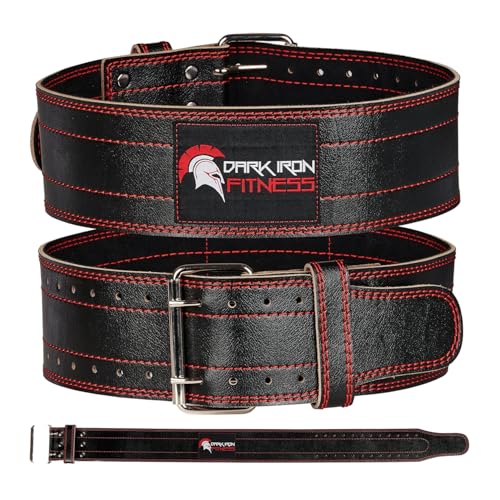
- Genuine leather with reinforced double-row stitching
- 4-inch width for core and lower-back support
- Double-prong buckle with keeper loop for security
Best For: Heavy lifters who want a durable, classic belt
Comfort-First Contour
Harbinger Padded Leather Weightlifting Belt

- Foam cushioning and suede lining for added comfort
- Contoured, tapered shape to improve mobility
- Dual-prong steel roller buckle for secure tensioning
Best For: Lifters wanting padded support and better range of motion
Old-School Precision
Fitgriff Classic 100% Leather Lifting Belt

- Premium cowhide with 3-layer, 5mm construction
- Double-prong buckle and solid rivets for durability
- Built for spine support and abdominal pressure
Best For: Gym users who want a classic but flexible leather belt
Quick-Lock Power
MANUEKLEAR 10mm Lever Lifting Belt

- Quick-lock lever buckle for fast adjustments
- 10mm thick and 4 inches wide for firm support
- Cowhide leather build with distinctive litchi texture
Best For: Powerlifters who want fast adjustments and heavy-duty support
Best Heavy-Duty Pick
Dark Iron Fitness 4-Inch Genuine Leather Belt
- Real leather with reinforced double-row stitching
- 4-inch width for stable core support
- Double-prong buckle with keeper loop
Best For: Heavy lifters who want a secure, durable belt for squats and deadlifts.
Best Lightweight Feel
Gymreapers Lightweight Real Leather Lifting Belt

- Real reinforced leather with durable stitching
- 1.5-pound build feels less bulky on the waist
- Rolls up easily for gym-bag storage
Best For: Lifters who want a comfortable, lighter leather belt for regular training.
Best Wide-Belt Comfort
6-Inch Genuine Leather Belt with Suede Lining

- 6-inch width gives extra back coverage
- Suede lining adds comfort and padding
- Double-sided leather with reinforced stitching
Best For: Lifters who want a wider, more comfortable belt with extra support.
Best with Extra Features
RDX Cowhide Leather Belt with Padded Lumbar Support

- 7 mm genuine cowhide leather
- Padded back for lumbar support
- 10-hole dual-prong buckle
Best For: Heavy training and lifters who want a secure, supportive fit
Comfort-Focused Choice
Genuine Leather Belt with Suede Lining
- Double-sided leather build
- Suede lining for added comfort
- Reinforced top stitching
Best For: Daily training and lifters who want comfort with firm support
Wide-Buckle Upgrade
RDX 6-Inch Cowhide Leather Lifting Belt

- 6-inch width for extra coverage
- 7 mm cowhide leather with suede inner
- Dual-prong buckle with 10 holes
Best For: Lifters who want a wider belt with strong lumbar support
Classic Power Support – Dark Iron Fitness 4-Inch Leather Belt
If you want leather weightlifting belts that prioritize straightforward support, this Dark Iron Fitness model is built for heavy sessions like squats, deadlifts, CrossFit, and strength training. The genuine leather construction, reinforced stitching, and 4-inch width aim to keep your core stable without adding unnecessary bulk.
Best For: Lifters who want a durable, classic leather belt for heavy compound lifts and daily gym use.
Pros:
- 100% real leather with double-row reinforced stitching for added durability
- 4-inch wide design balances support and comfort for lifting sessions
- Double-prong metal buckle and keeper loop help keep the belt secure
- Multiple sizing options and 12 adjustment holes for a more precise fit
Cons:
- No padding or suede lining for extra comfort
- Fit depends on measuring at the natural waist, not pant size
- Best suited to lifters who want a firmer, more traditional feel
Overall, this is a practical pick if your main goal is stable back and core support in a no-frills leather lifting belt. It leans into durability and security rather than comfort extras, which makes it a solid choice for serious training.
Comfort-First Contour – Harbinger Padded Leather Weightlifting Belt
Among leather weightlifting belts, this Harbinger option stands out if you want support plus a little more comfort during long or intense sessions. The contoured shape, interior suede lining, and foam cushioning are designed to reduce bulk while still giving you the stability needed for squats, deadlifts, and Olympic-style lifting.
Best For: Lifters who want padded support and a more comfortable fit without giving up a leather belt’s stability.
Pros:
- Interior foam cushioning adds targeted padding for heavier lifts
- Contoured, tapered-edge design improves range of motion
- Dual-prong steel roller buckle supports secure, easy adjustments
- Split leather backing and double stitching are built for durability
Cons:
- Not as minimalist as a traditional firm leather belt
- Size listing is less straightforward than typical waist-based sizing
- Comfort features may be more than some lifters want
This is a good middle ground for lifters who want more comfort than a rigid old-school belt usually provides. If you value a supportive but less bulky feel, this model is easy to consider.
Old-School Precision – Fitgriff Classic 100% Leather Lifting Belt
If you’re comparing leather weightlifting belts for a classic feel, the Fitgriff Classic leans into a traditional design with modern touches. It uses 100% premium cowhide, a 5mm three-layer build, and a double-prong buckle to deliver a blend of support, flexibility, and long-term use.
Best For: Gym users who want a traditional leather belt that still feels flexible and refined.
Pros:
- 100% premium cowhide with a 3-layer, 5mm construction
- Designed to reinforce abdominal pressure and support the spine
- Double-prong buckle and solid rivets aim for long-term durability
- Includes instructions for safer and more effective use
Cons:
- Less thickness than some heavy-duty powerlifting belts
- Requires careful waist measurement at navel level for the right fit
- Classic design may not appeal to lifters who want extra padding or modern hardware
This belt makes sense if you want something that feels like a timeless gym staple rather than an aggressively specialized powerlifting tool. It is a well-balanced option for squats, deadlifts, and general strength training.
Quick-Lock Power – MANUEKLEAR 10mm Lever Lifting Belt
For lifters shopping leather weightlifting belts with fast on-and-off convenience, this MANUEKLEAR lever belt is built around a quick-lock system. Its 10mm thickness, 4-inch width, and cowhide leather construction are aimed at heavy support for squats, deadlifts, and powerlifting.
Best For: Powerlifters and heavy lifters who want a fast-adjusting lever belt with firm support.
Pros:
- Quick-lock lever buckle makes adjustments fast and simple
- 10mm thickness and 4-inch width provide strong back and core support
- Cowhide leather with a litchi texture is built for durability
- Includes a screwdriver for converting buckle positions
Cons:
- Lever-style fit is less flexible than a standard prong belt
- More competition-focused than casual training belts
- Size range is limited to a medium waist bracket
This is the most competition-minded option in the group, especially if you value speed and repeatable tightness between sets. The tradeoff is a more specialized feel, but that is exactly what many heavy lifters want.
Best Heavy-Duty Pick – Dark Iron Fitness 4-Inch Genuine Leather Belt
If you want leather weightlifting belts that prioritize rigid support and a secure feel, this Dark Iron Fitness option is built around real leather, reinforced stitching, and a 4-inch profile. It’s aimed at lifters who want dependable core stability for squats, deadlifts, CrossFit, and other heavy sessions without a bulky feel.
Best For: Powerlifters and strength athletes who want a durable 4-inch leather belt with a double-prong buckle.
Pros:
- 100% genuine leather with double-row stitching and reinforced construction
- 4-inch width is designed to balance support and comfort during heavy lifts
- Double-prong metal buckle and keeper loop help keep the belt secure
- Wide sizing range with 12 holes for more precise fit adjustment
Cons:
- Rigid design may feel firm if you prefer a softer belt
- Needs correct waist measurement at the belly button for proper fit
This is a straightforward heavy-duty lifting belt for people who care more about stability and durability than a lightweight feel. If you want a classic leather belt for serious training, it checks the core boxes.
Best Lightweight Feel – Gymreapers Lightweight Real Leather Lifting Belt
Among leather weightlifting belts, this Gymreapers model stands out for a lighter feel and a form-fitting shape. It uses real reinforced leather, a 4-inch width, and a lightweight metal buckle, making it a practical pick for lifters who want support without a bulky waist feel.
Best For: Lifters who want a comfortable, lightweight leather belt that rolls up easily for gym-bag storage.
Pros:
- Made from real reinforced leather with reinforced stitching
- Lightweight 1.5-pound design is made to feel less bulky
- 4-inch width offers back, spine, and core support during lifting
- Numerous adjustment holes help dial in the fit
Cons:
- Smaller-feeling design may not appeal to lifters who want a heavier belt
- Title and notes mention multiple closure elements, so fit preference matters
This belt is a strong fit if you value comfort, portability, and a clean form-fitting feel. It should suit regular training well, especially if you want a leather belt that’s easier to store and carry.
Best Wide-Belt Comfort – 6-Inch Genuine Leather Belt with Suede Lining
If you’re comparing leather weightlifting belts for extra back coverage, this model’s 6-inch width and suede lining make it stand out. It uses double-sided leather, reinforced stitching, and a cushioned inner layer to deliver firm support while staying more comfortable against the skin.
Best For: Lifters who want a wider leather belt with suede lining and extra back support.
Pros:
- 6-inch wide design provides more coverage than standard 4-inch belts
- Suede lining adds padding and helps improve comfort during training
- Double-sided leather and reinforced top stitching boost durability
- Clear size guidance based on true waist size, not pant size
Cons:
- Wider profile may feel larger than standard lifting belts
- Needs careful measuring around the belly button to get the right size
This is a good choice if your priority is supportive coverage and a more cushioned feel. The wider build and suede interior make it especially appealing for training sessions where comfort and back support both matter.
Best with Extra Features – RDX Cowhide Leather Belt with Padded Lumbar Support
If you want a leather weightlifting belt built for bracing on heavy squats, deadlifts, and general strength training, this RDX model is designed around support and adjustability. The 7 mm cowhide leather construction, suede inner lining, and padded back are aimed at lifters who want a firmer feel with added lumbar comfort.
Best For: Lifters who want a supportive, adjustable belt for heavy gym work and powerlifting-style training.
Pros:
- 7 mm genuine cowhide leather for durability and pressure absorption
- Wide padded back for stronger lumbar support
- Dual-pronged roller buckle with 10 precision-drilled holes for fit adjustment
- Suede inner lining and leather flap help improve comfort during lifts
Cons:
- Size must be chosen from the waist chart, not pant size
- Padding and 4-inch/6-inch design may feel more structured than minimal belts
This is a practical choice if you prioritize stability and a secure, traditional lifting-belt feel. Just measure carefully before ordering, because the brand is explicit that sizing should be based on your true belt size.
Comfort-Focused Choice – Genuine Leather Belt with Suede Lining
This leather weightlifting belt is built for lifters who want a firm, supportive wrap with extra comfort from the suede-lined interior. The widened design and double-sided leather construction are aimed at everyday training, weightlifting, and cross training while helping provide back and abdomen support.
Best For: Men who want a heavy-duty training belt with a more comfortable feel for regular gym use.
Pros:
- Double-sided leather construction for added durability
- Suede lining and pads for improved comfort against the skin
- Reinforced top stitching for strength and flexibility
- Designed to support the back and abdomen during lifting
Cons:
- Size should be selected from true waist measurement, not pant size
- Product notes emphasize men’s use, so it may not suit buyers seeking a clearly unisex option
Overall, this is a straightforward pick if you want a supportive leather belt with comfort-focused details. It leans more toward dependable training use than flashy extras, which is often exactly what buyers want in a lifting belt.
Wide-Buckle Upgrade – RDX 6-Inch Cowhide Leather Lifting Belt
For buyers comparing leather weightlifting belts, this RDX version stands out with its 6-inch black build, padded lumbar support, and 7 mm cowhide leather construction. It is aimed at lifters who want a wider back panel and a secure dual-prong buckle for squats, deadlifts, and other heavy gym sessions.
Best For: Lifters who prefer a wider 6-inch belt for added back coverage and bracing support.
Pros:
- 6-inch width for more back coverage
- 7 mm cowhide leather with suede inner for durability and comfort
- Dual-pronged roller buckle and 10 holes for adjustment
- Padded lumbar back support for bracing before heavy lifts
Cons:
- Size still depends on measuring true waist size, not pants
- The wider profile may be more belt than some casual gym users need
If you want a more substantial belt than a standard 4-inch option, this one is easy to place in the support-first category. It keeps the same core RDX features while emphasizing a wider feel for lifters who like extra coverage.
How We Picked the Best Leather Weightlifting Belts
We focused on Leather Weightlifting Belts that offer a strong balance of support, durability, and practical day-to-day use. Priority went to belt construction, buckle or lever quality, stitching, leather thickness, padding or contouring when relevant, and how well each design suits common strength exercises.
We also considered ease of adjustment, sizing flexibility, and whether a belt is better suited to beginners, intermediate lifters, or experienced powerlifters.
Quick Comparison
In simple terms, the best belt for you depends on how you lift. Lever belts are fastest to tighten and work well for consistent training setups. Double-prong and single-buckle styles offer more traditional adjustability. Padded or contoured belts can feel more comfortable for longer sessions, while stiffer, more rigid belts usually appeal to lifters chasing maximum bracing.
Key Buying Factors for Leather Weightlifting Belts
Thickness and Width
A thicker belt generally provides more support, but it can also feel less forgiving. Standard 4-inch belts are the most versatile, while wider options may suit lifters who want more surface contact and torso support.
Leather Quality and Construction
Look for genuine leather, reinforced stitching, and hardware that matches the belt’s intended use. Good leather should feel sturdy without obvious weak spots or excessive stretching.
Buckle Style
Double-prong buckles are dependable and adjustable. Lever belts are faster to secure and remove, which is useful if you train heavy and want a consistent tightness every session. The right choice depends on whether convenience or fine-tuned adjustment matters more to you.
Comfort and Fit
Some lifters prefer a firm, minimalist feel, while others want padding or a contoured shape to reduce digging during high-volume training. A proper fit should allow bracing without cutting into your ribs or hips.
Training Style
For general strength work, a versatile leather belt is usually enough. For powerlifting or very heavy compounds, choose a stiffer, more supportive model. For mixed gym use, comfort and easy adjustment may matter more than maximum rigidity.
Who Should Buy Which Leather Weightlifting Belts?
If you want a simple all-around option, choose a traditional 4-inch belt with solid stitching and a secure buckle. If comfort is your priority, look for padded or contoured Leather Weightlifting Belts. If you lift heavy with a consistent setup, a lever belt can save time and deliver repeatable tightness. Beginners should usually start with a versatile, moderately stiff belt instead of the most aggressive powerlifting design.
In the end, the best belt is the one that fits your torso, matches your training style, and feels secure enough to help you brace harder on every rep.