The right lifting grips can reduce slipping, improve bar control, and help you train harder when your hands or forearms become the limiting factor. This roundup compares straps, leather grips, padded wraps, and lifting hooks for different training styles.
Whether you prioritize comfort, maximum pulling support, or a durable grip for heavy deadlifts, these picks cover the main options worth considering in 2026.
Best 10 Lifting Grips Picks for 2026
Best Classic Cotton Straps
Gymreapers Lifting Wrist Straps
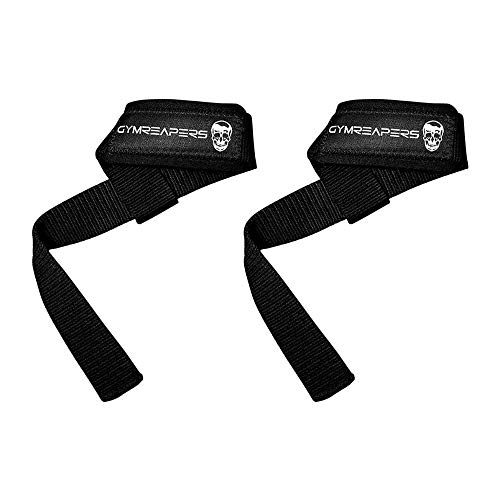
- Durable cotton webbing
- Padded neoprene wrist support
- 18-inch straps for multiple wraps
Best For: Traditional deadlift and strength-training use
Best Silicone Palm Grips
Silicone Gym Grips for Weightlifting

- Flexible anti-slip silicone
- Fingerless ergonomic design
- Includes portable storage case
Best For: Palm protection during varied strength workouts
Best Leather Support Straps
Double-Layer Leather Wrist Straps

- Double-layer cow suede leather
- Widened padded wrist support
- Adjustable 6.3-to-8-inch wrist fit
Best For: Heavy pulling sessions requiring padded wrist support
Best Quick-Use Rubber Grips

- Natural rubber anti-slip grip
- Quick hook-and-release system
- Left/right markings and four sizes
Best For: Fast transitions during varied barbell and gym exercises
All-in-One Support

- Built-in wrist support and rubber grip
- Fits 5.5–8.75-inch wrists
- Padded, adjustable, ambidextrous design
Best For: Men wanting integrated lifting grip and wrist support
Comfort-Focused Leather Straps
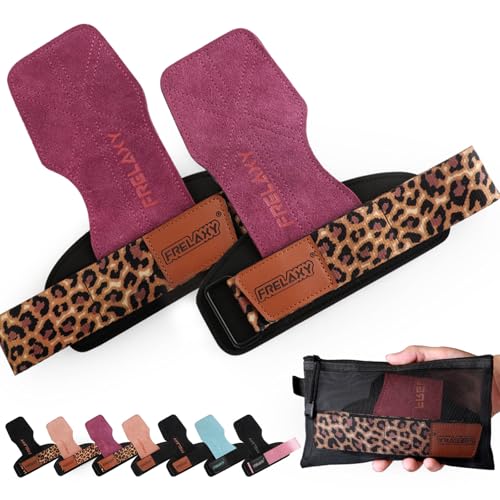
- Double-layer soft cowhide construction
- Padded support for 5.5–8-inch wrists
- Includes a convenient storage pouch
Best For: Lifters prioritizing cushioned leather support
Heavy-Pulling Performance

- Reinforced rubber with heavy-duty stitching
- Dense neoprene wrist padding
- Lifetime warranty and adjustable sizing
Best For: Heavy deadlifts, rows, pull-ups, and powerlifting
Versatile Leather Support
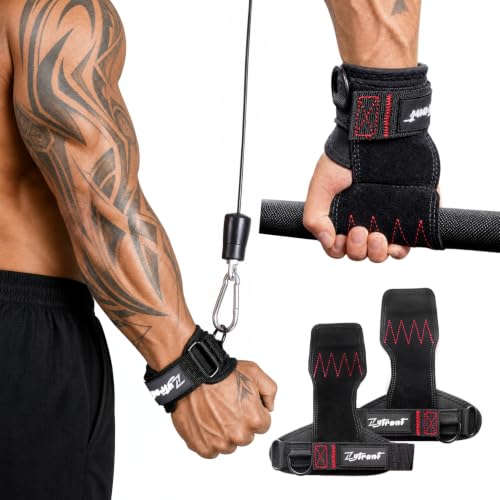
- Double-layer leather palm coverage
- Padded wrist support
- D-ring for compatible cable attachments
Best For: Pulling workouts with added cable-machine versatility
Heavy-Duty Hook Support

- Metal-coated heavy-duty hooks
- 250-pound rating per hook
- Adjustable neoprene-padded straps
Best For: Heavy pulling sessions where grip fatigue is limiting
Best Classic Cotton Straps – Gymreapers Lifting Wrist Straps
These lifting grips use durable cotton webbing and neoprene wrist padding to help reduce grip fatigue during pulling movements. The 18-inch length provides room for multiple wraps around barbells, dumbbells, and cable attachments.
Best For: Lifters who want straightforward cotton straps for deadlifts, rows, shrugs, and other strength-training pulls.
Pros:
- Heavy-duty cotton webbing is designed for repeated gym use.
- Neoprene padding helps reduce pinching and wrist irritation.
- Extra length supports multiple wraps and a secure bar connection.
Cons:
- Classic straps require wrapping around the bar rather than using a quick-release design.
- One-size cotton construction may not provide a customized fit for every lifter.
For buyers who prefer traditional lifting grips, this pair focuses on dependable materials, padded comfort, and broad compatibility with common pulling exercises.
Best Silicone Palm Grips – Silicone Gym Grips for Weightlifting
These silicone lifting grips are designed to add friction between your hands and the bar while keeping the design lightweight and fingerless. Their curved shape and suction-cup texture make them a practical option for sweaty-hand workouts.
Best For: Adults seeking compact palm protection for CrossFit-style workouts, dumbbell and barbell training, deadlifts, and rows.
Pros:
- Flexible silicone pads are designed for an anti-slip grip.
- Curved ergonomic support may help reduce friction, calluses, and blisters.
- Fingerless, ambidextrous design allows unrestricted finger movement.
- Includes a portable cloth case with a hook.
Cons:
- Listed as a medium, general-size fit rather than a fully adjustable design.
- Hand wash only care may require extra maintenance.
These lifting grips stand apart from wrist straps by covering the palm directly, making them a useful choice when hand comfort and quick on-and-off use matter.
Best Leather Support Straps – Double-Layer Leather Wrist Straps
These leather lifting grips combine double-layer cow suede with a widened neoprene wrist pad and adjustable hook-and-loop closure. The pair is built for heavier pulling work while also helping protect the hands from calluses and existing skin irritation.
Best For: Lifters who want padded leather straps for deadlifts, rows, shrugs, pull-ups, and other heavy strength exercises.
Pros:
- Double-layer leather construction is soft, durable, and sweat-wicking.
- Neoprene padding helps cushion the wrists and reduce pressure.
- Adjustable closure fits wrist circumferences from 6.3 to 8 inches.
- Includes a pair of straps and an instruction manual.
Cons:
- The listed fit may not suit wrists outside the 6.3-to-8-inch range.
- Leather straps weigh more than the lightweight cotton or silicone options in this roundup.
If you prefer the feel of leather and want more wrist cushioning, this pair offers a supportive, adjustable setup for demanding pulling sessions.
Best Quick-Use Rubber Grips – Fitgriff Elite Straps
These lifting grips use natural rubber, neoprene wrist padding, and an anti-slip bulge to create a secure connection with standard gym bars and grips. Left- and right-hand markings plus a hook-and-release system are designed to speed up setup between sets.
Best For: Lifters who want marked, quick-application straps for deadlifts, pull-ups, rows, and lat pulldowns.
Pros:
- Natural rubber grip material is designed for strong, anti-slip contact.
- Hook-and-release system can simplify application and removal.
- Neoprene wrist padding adds comfort during heavy training.
- Available in four sizes with a size chart for selection.
Cons:
- Fit requires choosing the correct size; the listed version is medium-large.
- The materials may stretch slightly over time, which can affect initial sizing.
For buyers prioritizing speed and orientation, these straps offer a more streamlined alternative to traditional wrap-style lifting grips while retaining padded wrist support.
All-in-One Support – Cobra Grips PRO
The Cobra Grips PRO combine lifting grips with built-in wrist support, making them a practical alternative to separate grip pads, lifting grips, and power hooks. Their adjustable design and rubber grip are suited to heavy pulling movements while helping protect the palms.
Best For: Men seeking adjustable lifting grips with integrated wrist support for deadlifts and other gym exercises.
Pros:
- Combines rubber grips with built-in wrist support wraps.
- Adjusts to wrist sizes from 5.5 to 8.75 inches.
- 6mm neoprene padding helps cushion the wrists and palms.
- Ambidextrous, breathable design with hook-and-loop closure.
Cons:
- The PRO sizing may be too large for smaller wrists.
- Hand-wash-only care may require extra maintenance.
The Cobra Grips PRO are a versatile choice if you want one piece of equipment to handle grip assistance and wrist support. Check the wrist range carefully before ordering, particularly if you have smaller hands or wrists.
Comfort-Focused Leather Straps – Frelaxy Lifting Grips
Frelaxy lifting grips use double-layer soft cowhide, a widened neoprene wrist pad, and adjustable closures to support pulling exercises. They are designed to improve grip while helping reduce hand and wrist pressure during demanding training sessions.
Best For: Lifters who want cushioned leather lifting straps for deadlifts, rows, pull-ups, shrugs, and lat pulldowns.
Pros:
- Double-layer cowhide construction provides a durable gripping surface.
- Widened, thickened neoprene padding helps distribute wrist pressure.
- Fits wrist circumferences from 5.5 to 8 inches.
- Includes a storage pouch for gym-bag organization.
Cons:
- The listed purple/leopard color may not suit every preference.
- Leather may require more care than synthetic lifting grips.
These Frelaxy straps stand out for their padded feel, leather construction, and included storage pouch. They are a sensible option for lifters prioritizing wrist comfort and versatile pulling support within the stated size range.
Heavy-Pulling Performance – Gymreapers Lifting Grips
Gymreapers lifting grips are built for heavy pulling workouts, pairing reinforced rubber with adjustable straps and dense neoprene wrist padding. The hand-shaped rubber design aims to provide a secure bar connection for deadlifts, rows, pull-ups, and related exercises.
Best For: Powerlifters and bodybuilders focused on heavy pulling sessions and targeted back, trap, and lower-back training.
Pros:
- Reinforced rubber and double stitching support demanding use.
- Dense neoprene padding helps cushion the wrists.
- Adjustable straps and three-tiered sizing support a closer fit.
- Backed by a lifetime warranty.
Cons:
- Correct sizing requires checking the product’s sizing chart.
- Designed primarily for pulling movements rather than general-purpose use.
Gymreapers are a strong match for experienced lifters who want durable lifting grips for heavy pulling work. Their reinforced construction and lifetime warranty add confidence, but sizing is especially important for a secure, comfortable fit.
Versatile Leather Support – D-Ring Lifting Grips
These lifting grips combine double-layer leather palm coverage with padded wrist support and an integrated D-ring. They are a practical option for pulling workouts where you want to reduce direct bar pressure while keeping cable-machine attachment options available.
Best For: Lifters who want leather palm protection, wrist padding, and added versatility for deadlifts, rows, pulldowns, and compatible cable exercises.
Pros:
- Double-layer leather helps reduce direct pressure on the palms during repeated pulling sets.
- Padded wrist support helps spread pressure around the wrists.
- Integrated D-ring adds compatible cable-machine training options.
- Can serve as an alternative to traditional lifting straps or hooks.
Cons:
- One-size-fits-most sizing may not provide a precise fit for every user.
- The D-ring is intended for compatible attachments rather than universal cable use.
Choose these grips if versatility matters as much as basic pulling support. Their leather palm and wrist padding suit general gym or home strength training, while the D-ring broadens their usefulness beyond standard bar work.
Heavy-Load Comfort – DMoose Lifting Hooks
These DMoose lifting grips use a double-layer leather design, thick neoprene wrist padding, and an adjustable hook-and-loop closure. They are designed for users who want a secure, customizable fit for heavy pulling movements.
Best For: Lifters seeking padded, adjustable lifting hooks for deadlifts, pull-ups, rows, shrugs, and other strength-training exercises.
Pros:
- Double-layer leather is designed to provide traction and control.
- Thick neoprene padding helps reduce pressure and wrist strain.
- Hook-and-loop closure allows the fit to be adjusted around the wrist.
- Rated by the manufacturer for loads up to 480 pounds.
Cons:
- Available in a medium size, which may not suit every wrist.
- Hook-style grips may feel less natural than standard lifting straps for some users.
The main appeal is the combination of heavy-load positioning and comfort features. If you prefer an adjustable closure and substantial wrist padding, these grips are a focused choice for demanding pulling sessions.
Heavy-Duty Hook Support – Gymreapers Lifting Hooks
Gymreapers lifting grips use metal-coated hooks with adjustable neoprene-padded wrist straps to help take grip fatigue out of heavy pulling movements. The pair is built for barbell, dumbbell, and machine training.
Best For: Athletes who want durable hook-style support for heavy deadlifts, shrugs, pull-ups, rows, and other pulling exercises.
Pros:
- Metal-coated hooks provide a secure connection to compatible training equipment.
- Each hook is rated for up to 250 pounds.
- Neoprene padding helps reduce pressure and digging around the wrists.
- Adjustable straps provide a more secure, locked-in fit.
Cons:
- Hook-based support can reduce the hand-to-bar feel compared with unassisted lifting.
- The metal-and-nylon construction is heavier than some simpler lifting grips.
These grips are best suited to experienced lifters who want to shift emphasis away from grip endurance during heavy sets. The coated hooks and adjustable padded straps prioritize connection, stability, and repeated-use durability.
How We Picked the Best Lifting Grips
We compared these Lifting Grips by looking at the features that matter during real strength workouts: material, wrist support, grip security, ease of adjustment, durability, and versatility. We also considered how well each style suits exercises such as deadlifts, rows, shrugs, pull-ups, and heavy pulls.
Because straps, gloves, and hooks work differently, no single design is ideal for every lifter. The best choice depends on how much assistance you want, how often you train, and whether you prefer direct bar contact or a more supportive hand enclosure.
Quick Comparison
- Traditional wrist straps: A practical choice for improving grip endurance while keeping a familiar bar feel.
- Leather lifting grips: Durable and supportive, often preferred for heavy pulling and repeated use.
- Silicone or rubber-grip designs: Useful when anti-slip traction and quick setup are priorities.
- Glove-style grips: Add palm coverage and wrist padding for comfort during longer sessions.
- Lifting hooks: Provide substantial assistance when grip strength is the main limitation, especially on deadlifts and rows.
Key Buying Factors for Lifting Grips
Grip Style and Assistance
Straps require you to wrap the material around the bar, while hooks carry more of the load for you. Choose straps if you want to develop or retain more active grip involvement. Choose hooks when completing the movement is more important than maintaining a fully engaged hand grip.
Materials and Durability
Leather can offer long-term durability and a firm feel, while nylon and cotton are generally flexible and easy to adjust. Silicone and rubber surfaces can improve traction, but inspect them regularly for wear, cracking, or loss of adhesion.
Wrist Comfort and Fit
Look for wide, padded wrist sections if you lift frequently or use heavy loads. The wrap should feel secure without cutting into the wrist or restricting movement. Check sizing information carefully, particularly when buying glove-style grips.
Exercise Compatibility
For deadlifts and rows, prioritize a secure attachment and sufficient length. For pull-ups, hooks or padded grips may be easier to use, while traditional straps can take longer to wrap correctly. If you switch between exercises often, favor an adjustable, versatile design.
Who Should Buy Which Lifting Grips?
Choose traditional straps if you want an affordable, adaptable option for deadlifts, rows, shrugs, and other pulling exercises. Choose leather grips if durability and a firm, supportive palm feel are priorities.
Choose padded or glove-style Lifting Grips if comfort, wrist cushioning, and palm coverage matter during long workouts. Choose hooks if your hands consistently fail before your back or legs, or if you need maximum assistance for heavy pulls.
Before buying, consider your typical loads, preferred exercises, and tolerance for setup time. A properly fitted pair should improve control without causing numbness, excessive wrist pressure, or distracting movement during a set.