The right parallettes can make push-ups, L-sits, handstands, and planche progress more comfortable—especially when standard bars feel too wide or tiring to grip. This roundup compares 10 options with attention to handle size, stability, padding, and overall usability.
Whether you train at home, travel with your equipment, or need extra wrist clearance, the best choice should match your hand size, preferred exercises, and available floor space.
Best 10 Parallettes for Small Hands Picks for 2026
Solid-Wood Stability Pick
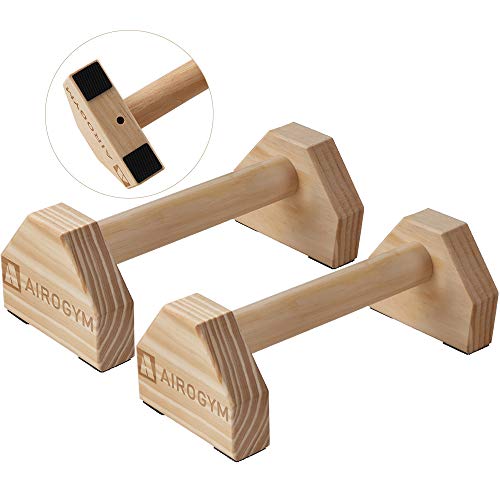
- Solid wood with a cushioned, natural grip
- Wide non-slip base for stable training
- Useful for push-ups, planks, and handstands
Best For: Stable home workouts and users who prefer a substantial wood handle
Small-Hand-Friendly Mini Pick

- 1.5-inch beech-wood handle diameter
- Rubber feet and a portable two-bar design
- Available in 9-inch and 12-inch lengths
Best For: Smaller hands, travel workouts, and beginner calisthenics
Heavy-Duty Oak Option
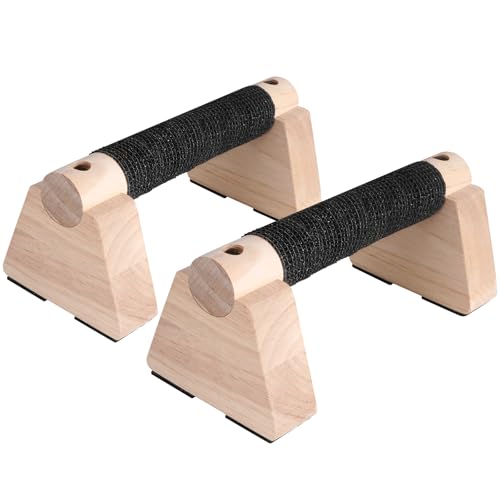
- Solid oak with a natural non-slip grip
- 4 cm handle and wide stable base
- Designed for handstands, L-sits, and push-ups
Best For: Advanced home calisthenics and users prioritizing robust oak construction
Versatile Steel Pick
Portable Parallettes and Dip Bars

- Alloy-steel construction with non-skid feet
- Foam tops for added handle comfort
- Works for push-ups, dips, handstands, and planches
Best For: Multi-exercise home training where steel durability and dips matter
Best Compact Wooden Pick

- Smooth rounded wood handles
- Anti-slip floor-protecting pads
- Portable 150 kg-rated design
Best For: Compact home, gym, and outdoor calisthenics
Best Tall and Stable Option

- 660-pound steel weight capacity
- Full-coverage foam handles
- Adjustable non-slip rubber feet
Best For: Tall, stable home-gym calisthenics training
Best Ergonomic Grip
PULLUP & DIP Wooden Parallettes
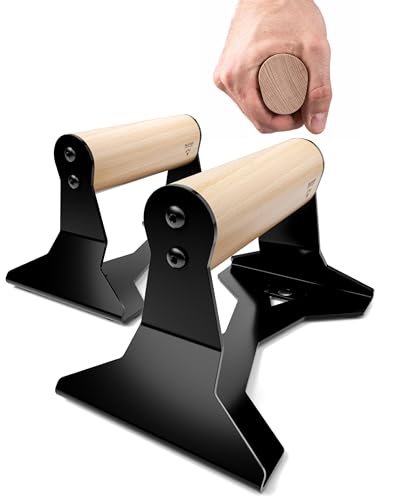
- Ergonomic beech wood handles
- Fully assembled for immediate use
- 200 kg load rating with steel feet
Best For: Wrist-conscious push-ups and compact training
Best Adjustable-Foot Option
AmazeFan Foam-Grip Parallettes

- Thick foam grip supports hand comfort
- Adjustable anti-slip feet improve balance
- Portable 10-inch raised design
Best For: Home users wanting cushioned handles and adjustable stability
Best Natural-Grip Pick
Wooden Calisthenics Parallettes

- Smooth wood handles offer natural grip comfort
- Supports handstands, L-sits, dips, and planches
- Compact 9.8-inch design
Best For: Users who prefer wooden handles for versatile calisthenics
Best Heavy-Duty Stability
TABEKE 12-Inch Foam Parallettes

- Steel frame has a stated 660-pound capacity
- Large foam handles support comfortable gripping
- Adjustable rubber feet and extended bases improve stability
Best For: Home-gym users seeking tall, stable, heavy-duty parallettes
Solid-Wood Stability Pick – 30-Inch Wooden Push-Up Bars
For shoppers comparing parallettes for small hands, these solid-wood push-up bars offer a substantial 4 cm round handle, cushioned wood grip, and a wide non-slip base. Their 30 cm length and elevated design provide useful knuckle clearance for push-ups, planks, and calisthenics work.
Best For: Users who want sturdy wooden bars with a thick grip and broad exercise versatility.
Pros:
- Solid pine wood construction with a comfortable, naturally non-slip surface.
- 4 cm-diameter handles help provide clearance and may reduce hand and wrist strain.
- Wide triangular base and non-slip bottom support stable training; rated for up to 440 pounds in the product notes.
- Suitable for push-ups, planks, V-sits, handstands, and rehabilitation-related support.
Cons:
- The thick 4 cm handle may feel large for users with especially small hands.
- At 30 cm long and nearly 4 inches high, these are less compact than mini parallettes.
This is a strong option when stability and a substantial wooden grip matter more than the smallest possible handle or travel size. Check the dimensions carefully if hand size is your main concern.
Small-Hand-Friendly Mini Pick – Portable Wood Parallettes
These mini parallettes are a particularly practical choice for shoppers seeking parallettes for small hands, thanks to their 1.5-inch beech-wood diameter. The compact two-bar set is portable, has rubber feet, and is offered in 9-inch or 12-inch lengths for push-ups, handstands, and gymnastics training.
Best For: Beginners, travelers, and users who prefer a smaller-diameter wooden handle.
Pros:
- 1.5-inch beech-wood handles are more approachable for smaller hands than thicker bars.
- Rubber feet are designed for stability without relying on cheap plastic construction.
- Portable two-piece set works for push-ups, handstands, gymnastics, and other training.
- Available in two lengths to match space and portability preferences.
Cons:
- 250-pound maximum weight recommendation is lower than some heavy-duty alternatives.
- Mini-bar dimensions may offer less height and clearance for advanced movements.
Among these options, this set has the clearest small-hand advantage because its listed handle diameter is only 1.5 inches. Choose the length that best fits your available floor space and travel needs.
Heavy-Duty Oak Option – Wooden Handstand Parallettes
For those comparing parallettes for small hands with a focus on durability, these solid-oak bars combine a natural grip with a 4 cm handle and wide, non-slip base. They are designed for deep push-ups, L-sits, handstand presses, planks, and broader calisthenics training.
Best For: Home athletes who want robust oak bars for varied strength and handstand practice.
Pros:
- Solid oak construction provides a sturdy wooden training surface.
- 4 cm-diameter handles offer knuckle clearance and an ergonomic wrist position.
- Wide base and triangular stability design are intended to prevent shifting during use.
- Supports multiple exercises, including L-sits, handstands, deep push-ups, and abdominal work.
Cons:
- The 4 cm handle may be too thick for users with very small hands.
- The supplied details list one item, so verify the package contents before ordering a pair.
- Its heavy-duty design may be more equipment than needed for basic push-ups.
This model suits buyers who prioritize solid oak construction and advanced calisthenics versatility. For small hands specifically, compare its 4 cm grip with the slimmer 1.5-inch mini-parallettes before deciding.
Versatile Steel Pick – Portable Parallettes and Dip Bars
These steel parallettes offer a broader training setup than compact wooden bars, combining push-up handles with dip-bar and handstand functionality. For shoppers seeking parallettes for small hands, the fixed handles and foam top may improve comfort, but the supplied notes do not specify handle diameter.
Best For: Users who want one portable steel setup for push-ups, dips, handstands, and planche work.
Pros:
- Industrial-grade alloy steel and solid welding are intended for lasting strength.
- Non-skid feet help limit movement during floor exercises.
- Foam-topped handles provide a more cushioned contact point.
- Supports push-ups, dips, handstands, planches, and other upper-body training.
Cons:
- Handle diameter is not provided, making small-hand fit harder to assess in advance.
- At 16 by 8.5 by 9 inches and 4 pounds, this setup is less compact than mini wooden bars.
- The product notes list no warranty.
This is the most versatile choice if dips and higher-intensity calisthenics are priorities. However, shoppers specifically focused on small hands should confirm the handle dimensions, since comfort is described but sizing is not.
Best Compact Wooden Pick – 10-Inch Wood Parallettes
If you’re comparing parallettes for small hands, these wooden bars offer a compact, straightforward design with smooth rounded handles. Their 10-inch length provides a stable base while leaving them portable enough for home, gym, or outdoor workouts.
Best For: Beginners and intermediate users who want lightweight wooden parallettes for push-ups, handstands, V-sits, and tuck planches.
Pros:
- Solid wood construction with smooth, rounded handles
- Anti-slip pads help reduce sliding and protect floors
- Compact, portable design for flexible workout locations
- Rated for up to 150 kg
Cons:
- Wood handles may provide less cushioning than foam grips
- The listed dimensions may be larger than expected for users seeking very small bars
This is a practical choice when comfortable natural-grip handles and portability matter most. The non-slip base adds useful stability, though users wanting padded grips or a taller frame may prefer a steel option.
Best Tall and Stable Option – TABEKE 12-Inch Parallettes
For shoppers seeking parallettes for small hands with extra height and stability, the TABEKE model combines 12-inch steel bars with full-coverage foam handles. The extended base and adjustable rubber feet are designed to support a broad range of bodyweight exercises.
Best For: Users who want tall parallettes for push-ups, dips, L-sits, handstands, and strength training, with cushioned grips for reduced hand fatigue.
Pros:
- 1.5-inch foam handles provide a cushioned grip
- Heavy-duty steel construction rated for up to 660 pounds
- Extended base helps improve stability and resist tipping
- Adjustable non-slip feet can help balance the bars on uneven ground
Cons:
- At 12 inches high, they may feel oversized for users wanting low-profile parallettes
- Assembly is required, even though installation is designed to take about one minute
- Heavier than the wooden alternatives at 9.1 pounds
The TABEKE stands out for height, grip cushioning, and weight capacity. It is a strong fit for users who value stability and exercise versatility more than minimal size or weight.
Best Ergonomic Grip – PULLUP & DIP Wooden Parallettes
These PULLUP & DIP bars are a compelling choice among parallettes for small hands because their beech wood handles are shaped for a natural grip. The compact steel-and-wood construction arrives fully assembled and is intended for push-ups, dips, handstands, and other bodyweight exercises.
Best For: Users prioritizing ergonomic wooden handles, ready-to-use construction, and a compact design for wrist-conscious strength training.
Pros:
- Ergonomic beech wood handles designed to fit the hand comfortably
- Heavy-duty steel feet and anti-slip pads provide a secure stand
- Fully assembled, so training can begin immediately
- Supports loads up to 200 kg and includes an exercise guide eBook
Cons:
- Shorter 4.9-inch height offers less clearance than tall parallettes
- Wood handles do not provide the cushioning of foam grips
- The compact footprint may offer less base area for advanced movements
This model is well suited to buyers who want a small, ready-to-use set with a natural wood grip. Its low profile favors push-ups and grip comfort rather than high-clearance dips or extended handstand work.
Best Adjustable-Foot Option – AmazeFan Foam-Grip Parallettes
If you need parallettes for small hands, the AmazeFan combines a thicker foam grip with a raised 10-inch bar height. Its adjustable, anti-slip feet and compact assembly make it practical for home workouts, though the listed specifications should be checked carefully before purchase.
Best For: Home users who want foam cushioning, raised parallettes, and adjustable foot balance for push-ups, dips, L-sits, and handstand practice.
Pros:
- Thick, cushioned foam handle is designed to reduce wrist stress and hand fatigue.
- Adjustable anti-slip feet help improve stability on different floor surfaces.
- Portable 16.6-by-10-by-10-inch design can be assembled, disassembled, and stored easily.
- Supports a broad range of upper-body and calisthenics movements.
Cons:
- The 10-inch height may feel less compact than lower parallettes.
- The product details list conflicting material and weight-capacity information, so verify specifications before buying.
For shoppers prioritizing a softer grip and adjustable floor contact, this is a versatile option. Confirm the capacity and construction details first, especially if you plan to use it for demanding strength skills.
Best Natural-Grip Pick – Wooden Calisthenics Parallettes
For people comparing parallettes for small hands, these wooden bars offer smooth handles and a natural grip that may feel comfortable during longer sessions. Their compact 9.8-inch size supports both basic push-ups and more advanced calisthenics work.
Best For: Beginners and experienced athletes who prefer smooth wooden handles for handstands, push-ups, L-sits, dips, and planche training.
Pros:
- Pure wood handles provide a natural grip without foam covering.
- Balanced design is intended to support handstand control and shoulder-strength work.
- Can be used for push-ups, planche practice, L-sits, dips, and core conditioning.
- Compact 9.8-by-9.8-by-9.8-inch dimensions suit home storage.
Cons:
- Wood may not provide the cushioned feel of foam handles for sensitive hands.
- The supplied information does not specify adjustable feet or an anti-slip base.
- The listing identifies the unit count as one, so confirm the package contents before ordering.
This is the most straightforward choice for shoppers who value a smooth wooden grip and multipurpose calisthenics use. It is especially appealing if natural materials matter more to you than padded handles or adjustable feet.
Best Heavy-Duty Stability – TABEKE 12-Inch Foam Parallettes
These parallettes for small hands emphasize stability and grip comfort with full-coverage foam handles, extended bases, and adjustable rubber feet. The 12-inch height creates extra clearance for handstands, dips, L-sits, and other elevated floor exercises.
Best For: Home-gym users who want high stated load capacity, tall parallettes, and a padded grip for intensive calisthenics training.
Pros:
- Heavy-duty steel construction has a stated maximum capacity of 660 pounds.
- 1.5-inch foam handles provide a larger, cushioned gripping surface.
- Extended bases and rotating, adjustable rubber feet are designed to reduce wobbling.
- Quick assembly and disassembly make the bars easier to transport and store.
Cons:
- At 9 pounds, this set is heavier than more portable parallettes.
- The 12-inch height may be more equipment than beginners need for basic push-ups.
- The supplied details identify the item count as one, so verify whether the package includes the expected pair.
If stability and a generous foam grip are your priorities, this model has the strongest stated load rating of the three. Its taller, heavier build is better suited to a dedicated home gym than to ultralight travel.
How We Picked These Parallettes for Small Hands
We focused on the features that matter most to users with smaller hands: manageable handle diameters, comfortable grip materials, stable bases, practical heights, and easy setup. The selection includes compact wooden mini bars, taller parallettes for dips and handstand work, and padded or steel-supported designs for added comfort and durability.
We also considered portability, non-slip construction, weight capacity claims where available, and how easily each style can support common movements such as push-ups, L-sits, tuck holds, handstands, and planche progressions. Product names and specifications can vary by seller, so confirm current dimensions and included components before ordering.
Quick Comparison
| Best For | Look For | Typical Advantage |
|---|---|---|
| Small hands and beginners | Shorter, narrower handles with smooth wood or foam | More comfortable grip and easier control |
| Handstand practice | Stable feet and moderate-to-tall handles | Improved wrist clearance and balance options |
| Dips and L-sits | Taller bars with wide, solid bases | More room beneath the body |
| Travel workouts | Lightweight, compact, or easy-to-disassemble construction | Simple storage and transport |
| Heavy strength training | Steel supports, reinforced joints, and non-slip feet | Greater stability under load |
Key Buying Factors for Parallettes for Small Hands
Handle Diameter and Shape
A thick handle can be difficult to wrap securely with smaller hands. Look for a diameter that allows your fingers to close comfortably without excessive squeezing. Rounded wooden handles often provide a direct, secure feel, while foam can reduce pressure during longer sessions.
Height and Exercise Clearance
Low mini parallettes are convenient for push-ups and travel, but taller models are more useful for L-sits, dips, and handstand drills. Choose enough clearance for your intended exercises without adding unnecessary instability.
Base Stability and Floor Grip
Non-slip feet, a broad base, and rigid connections help prevent rocking. On smooth floors, rubberized feet are especially valuable. Check that the bars remain stable when your weight shifts forward or sideways.
Materials and Comfort
Wood can feel warm and natural, while steel may offer greater structural strength. Foam handles cushion pressure but can compress or wear over time. Inspect edges, seams, and finish quality before regular use.
Who Should Buy Which Parallettes for Small Hands?
Choose compact wooden mini bars if you have small hands, limited storage, or mainly perform push-ups and basic bodyweight drills. Select taller, padded parallettes if wrist clearance, L-sits, dips, or extended sessions are priorities. For advanced handstand and planche training, prioritize a stable footprint, rigid construction, and a grip that feels secure during weight shifts.
If more than one person will use the equipment, favor adjustable-feeling versatility through a moderate height and comfortable handle size rather than choosing the smallest design available. Whichever model you select, begin on a nonslip surface, test stability before full loading, and progress gradually.