A good physical therapy foam roller can help ease muscle tightness, support warm-ups, and make post-workout recovery more comfortable. The best choice depends on how firm you want it, how much body coverage you need, and whether you prefer a smooth or textured surface.
Below, we focus on practical options for different needs—from beginner-friendly soft rollers to firmer models built for deeper pressure and consistent shape retention.
Best 10 Physical Therapy Foam Roller Picks for 2026
Deep Tissue Pick
TriggerPoint Grid 1.0 Foam Roller

- Multi-density GRID surface for targeted rolling
- Firmer hollow-core EVA design for deep compression
- Durable construction for frequent use
Best For: Deep-tissue recovery and mobility work
Budget Basics
Amazon Basics 18-Inch Foam Roller
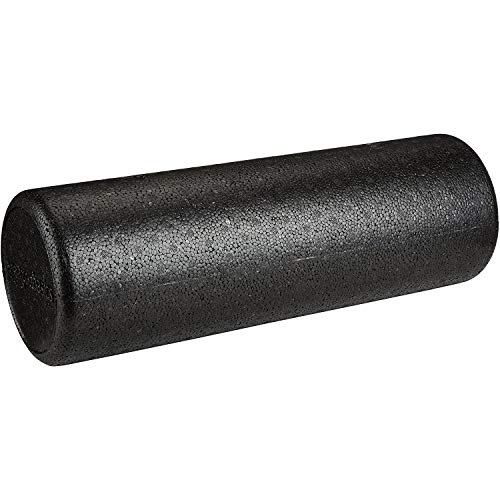
- Firm high-density roller for exercise and recovery
- Lightweight polypropylene build is easy to carry
- Wipes clean easily and holds its shape
Best For: Everyday workouts on a budget
Textured Recovery Pick
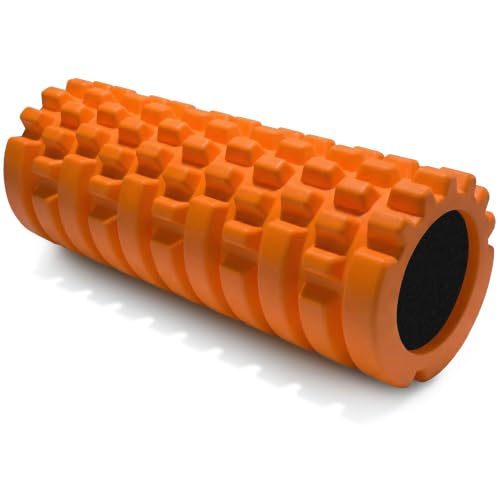
- Patented texture with three massage zones
- Medium-density EVA for a gentler feel
- Water-resistant and supports up to 300 pounds
Best For: Targeted recovery with a medium feel
Long Reach Pick
Amazon Basics 24-Inch Foam Roller

- 24-inch length for broader coverage
- Firm polypropylene build for stable support
- Lightweight and easy to reposition
Best For: Longer rollers for larger muscle groups
Compact Firm Roller
ProsourceFit 12-Inch High-Density Foam Roller

- High-density EPP keeps a firm, deep-massage feel
- Targets back, legs, calves, IT band, and more
- Compact 12-inch size is travel-friendly
Best For: Users who want a firm, portable roller for recovery and mobility
Everyday Recovery Roller
Amazon Basics 24-Inch High-Density Foam Roller
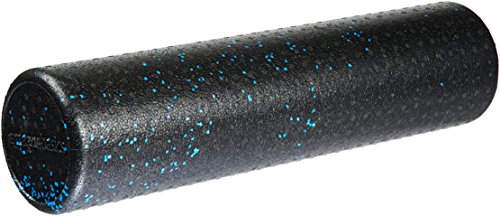
- Firm polypropylene build maintains its shape
- 24-inch size supports balance and flexibility work
- Lightweight and easy to carry to class
Best For: People who want a simple, longer firm roller for daily exercise and recovery
Smooth Deep-Tissue Roller
Rolling With It 18-Inch EVA Foam Roller

- Firm EVA core with a smooth, soft-to-touch exterior
- 18-inch size fits hamstrings, IT bands, and calves
- Designed to keep its shape without flaking or chipping
Best For: Targeted deep-tissue recovery with a smooth, professional-feeling roller
Soft-Density Long Roller
OPTP PRO-Roller Soft Density Foam Roller 36" x 6"

- Soft EVA closed-cell foam for gentle use
- 36-inch length for full-body positioning
- Easy to wipe clean and built for durability
Best For: Full-body mobility work, Pilates, and gentle self-massage
Firm Deep-Tissue Roller
Day 1 Fitness High Density Muscle Foam Roller
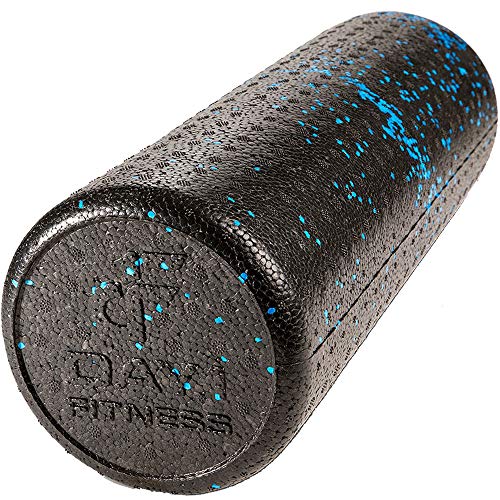
- Firm EPP foam for deeper pressure
- Compact 12-inch size is travel-friendly
- Latex-free and built for long-term use
Best For: Deep-tissue massage, travel, and firm recovery work
Compact Soft Roller
OPTP PRO-Roller Soft Density Foam Roller 18" x 6"

- Compact 18-inch size for easier transport
- Soft closed-cell EVA foam for gentle use
- Easy to wipe clean and versatile
Best For: Travel, compact storage, and gentle mobility work
Deep Tissue Pick – TriggerPoint Grid 1.0 Foam Roller
If you want a physical therapy foam roller that feels more like a targeted massage tool, the TriggerPoint Grid 1.0 is built for that job. Its multi-density GRID surface and firmer EVA-foam-wrapped hollow core are designed to promote tissue aeration and deliver deeper compression for tight, sore muscles and knots.
Best For: Users who want a firmer, deep-tissue-style roller for whole-body recovery and mobility work.
Pros:
- Multi-density GRID pattern helps target key body parts with a personalized rolling feel
- Firmer hollow-core design delivers deeper compression than traditional foam rollers
- Durable EVA foam is built to hold its shape through frequent use
- Suitable for muscle recovery, circulation support, and mobility work
Cons:
- Extra-firm feel may be too intense for users who prefer a softer roller
- Short 13-inch length gives less surface area than longer rollers
Overall, this is a strong choice if your priority is a compact roller with a more aggressive feel and durable construction. It stands out for focused recovery sessions rather than gentle relaxation.
Budget Basics – Amazon Basics 18-Inch Foam Roller
Amazon Basics High-Density Foam Roller for Exercise and Recovery, 18 Inches, Black
Check Price On AmazonThis physical therapy foam roller keeps things simple: a firm, high-density design for balance, strengthening, flexibility, and recovery exercises. The polypropylene build is lightweight, durable, and easy to wipe clean, making it a practical option for regular workout routines.
Best For: Buyers who want a no-frills, firm foam roller for everyday exercise and recovery.
Pros:
- Firm high-density construction supports balance and flexibility exercises
- Lightweight design is easy to carry to class or move around during workouts
- Durable polypropylene material helps maintain shape
- Wipes clean easily for low-maintenance use
Cons:
- Basic design does not offer textured massage features
- Firm feel may be less comfortable for users wanting a softer roller
If you want a straightforward roller for core training, stretching, and recovery, this one covers the essentials well. It is a clean, budget-friendly pick without extra complexity.
Textured Recovery Pick – 321 Strong Foam Roller
For a physical therapy foam roller with more guidance built into the surface, the 321 Strong model uses a patented textured design with three massage zones. The varied projections are meant to mimic fingertip, thumb, and palm pressure, giving you a more controlled way to work soft tissue and fascia.
Best For: People who want a medium-density textured roller for targeted muscle tightness and daily mobility work.
Pros:
- Patented texture creates three distinct massage zones for different intensity levels
- Medium-density EVA foam is described as comfortable and gentle
- BPA-free, water-resistant, and easy to wipe clean
- Supports up to 300 pounds without deforming or flexing
Cons:
- Textured surface may feel more intense than a smooth roller
- Best suited to short sessions rather than long, passive use
This is a strong middle-ground option if you want more precision than a basic cylinder but less harshness than an extra-firm roller. The included stretching guide also makes it easier to build a recovery routine around it.
Long Reach Pick – Amazon Basics 24-Inch Foam Roller
Amazon Basics High Density Foam Roller for Exercise and Recovery, 24 Inches, Black
Check Price On AmazonIf you want a physical therapy foam roller with more length for broader contact, this 24-inch Amazon Basics option is designed for balance, strengthening, flexibility, and muscle therapy. Its firm polypropylene construction and molded edges keep the design simple while giving you a stable roller for common recovery routines.
Best For: Users who want a longer firm roller for legs, back, shoulders, and whole-body work.
Pros:
- 24-inch length gives you more coverage for larger muscle groups
- Firm polypropylene build maintains shape during regular use
- Molded edges add comfort compared with a harder-edged cylinder
- Lightweight and easy to reposition during workouts
Cons:
- Basic smooth surface lacks textured massage features
- Firm feel may not suit those looking for a softer recovery tool
This is the practical choice if length matters more than extras. It should work well for straightforward mobility and recovery sessions where you want a stable, easy-to-handle roller.
Compact Firm Roller – ProsourceFit 12-Inch High-Density Foam Roller
If you want a physical therapy foam roller that delivers a firmer, deeper feel, this ProsourceFit model is a simple place to start. Its high-density EPP build is designed to keep its shape under pressure, making it a practical pick for back work, leg recovery, and mobility drills before or after training.
Best For: Beginners to advanced users who want a compact, firm roller for full-body recovery and travel.
Pros:
- High-density EPP construction provides a deeper massage and holds firmness well.
- Works on the back, legs, neck, calves, IT band, hamstrings, lats, and glutes.
- Water-resistant, hygienic, and easy to maintain.
- 12-inch size is easy to pack for travel or small spaces.
Cons:
- Firm feel may be too intense for users who prefer a softer roller.
- Shorter length offers less full-back coverage than the 24- or 36-inch versions.
This is a straightforward physical therapy foam roller for users who want consistent firmness and a compact footprint. If your priority is deep pressure over cushioning, it fits that role well.
Everyday Recovery Roller – Amazon Basics 24-Inch High-Density Foam Roller
Amazon Basics High Density Foam Roller for Exercise and Recovery, 24 Inches, Blue Speckled
Check Price On AmazonThis Amazon Basics physical therapy foam roller is built for simple, everyday use when you want firmness without extra fuss. The 24-inch length gives you more room for balance drills, flexibility work, and recovery sessions, while the durable polypropylene core is made to maintain its shape.
Best For: Users who want a longer, no-nonsense firm roller for exercise, recovery, and flexibility work.
Pros:
- Firm, durable polypropylene construction helps it keep its shape.
- 24-inch length offers more coverage for whole-body exercises and recovery.
- Lightweight design is easy to carry and reposition.
- Molded edges add a bit of comfort during use.
Cons:
- Firm density may feel harsh for first-time foam roller users.
- Basic design focuses on function rather than extra features.
For buyers who want a dependable physical therapy foam roller without a learning curve, this is a solid pick. It covers the essentials well and should suit most standard recovery routines.
Smooth Deep-Tissue Roller – Rolling With It 18-Inch EVA Foam Roller
If you prefer a smooth-surface physical therapy foam roller with a firm core, this Rolling With It model is built for targeted muscle recovery. The 18-inch size is especially suited to hamstrings, IT bands, and calves, while the EVA construction is designed not to flake, chip, or lose shape.
Best For: Users who want a firm, smooth roller for targeted deep-tissue work and recovery.
Pros:
- High-density EVA foam with a firm core and smooth exterior.
- 18-inch length is ideal for hamstrings, IT bands, and calves.
- Eco-friendly and free from formamide and phthalates.
- Backed by lifetime customer support and third-party testing.
Cons:
- Only available in the 18-inch size shown in this listing.
- Firm profile may be too intense for users who want a softer massage.
This is a strong choice for anyone shopping for a physical therapy foam roller with a more professional feel and a smooth rolling surface. It is aimed at users who want durable construction and focused muscle work rather than a cushioned ride.
Soft-Density Long Roller – OPTP PRO-Roller Soft Density Foam Roller 36" x 6"
If you want a physical therapy foam roller that supports full-body positioning and gentle muscle work, this 36-inch OPTP model is built for exactly that. Its soft EVA closed-cell foam is designed for Pilates, yoga, mobility drills, and self-massage, while the wipe-clean surface makes it practical for regular use at home or in a studio.
Best For: Full-body exercises, gentle myofascial release, and users who want a longer soft roller for physical therapy or Pilates.
Pros:
- Soft density is suited to self-massage, tight-area release, and back-positioning work.
- Closed-cell EVA foam is easy to wipe clean and made for durable use.
- Long 36-inch length works well for whole-body exercises and positioning.
- Useful for Pilates, yoga, mobility, balance, and rehabilitation routines.
Cons:
- Soft density may not deliver the firm deep-tissue feel some users want.
- Large 36-inch size is less convenient for travel or small storage spaces.
This is a strong option if your priority is comfort, versatility, and a roller that can handle positioning as well as light recovery work. It is less about aggressive pressure and more about controlled, repeatable movement.
Firm Deep-Tissue Roller – Day 1 Fitness High Density Muscle Foam Roller
For shoppers who want a physical therapy foam roller with a firmer feel, this 12-inch Day 1 Fitness roller is aimed at deeper pressure and controlled muscle work. The high-density EPP foam is designed to resist bending, making it a practical pick for stretching, myofascial release, and recovery sessions where you want more contact and less give.
Best For: Deep-tissue rolling, travel-friendly recovery, and firm pressure for muscle and mobility work.
Pros:
- High-density EPP foam provides a firm, deep-tissue massage feel.
- Compact 12-inch size is easy to carry to the gym, yoga, or Pilates.
- Designed for back, neck, feet, and other full-body recovery areas.
- Latex-free and listed as durable enough for long-term use.
Cons:
- Firm density may feel too intense for users who prefer a softer roller.
- Shorter length offers less surface area for full-length back positioning.
This roller makes sense if you want a more aggressive, targeted tool for soreness and mobility work. Its portability is a plus, but the firm feel is the main reason to choose it.
Compact Soft Roller – OPTP PRO-Roller Soft Density Foam Roller 18" x 6"
This short OPTP roller is a good fit if you want a physical therapy foam roller that is easier to pack without giving up the soft feel of the PRO-ROLLER line. It uses durable closed-cell EVA foam for light self-massage, Pilates, yoga, and mobility work, and the 18-inch length makes it simpler to carry to the gym or for travel.
Best For: Portable soft rolling, travel, and users who want a compact roller for general mobility and recovery.
Pros:
- Soft closed-cell EVA foam is suitable for gentle self-massage and rehabilitation.
- 18-inch length is compact and easy to pack in a bag.
- Easy-to-wipe surface is practical for regular home, gym, or clinic use.
- Versatile for Pilates, yoga, balance, and stability exercises.
Cons:
- Shorter length offers less support for full-length back positioning.
- Soft density may be too mild for users seeking firmer pressure.
If portability matters more than maximum coverage, this compact roller is an easy recommendation. It keeps the same soft, durable construction as the longer version but is simpler to bring along.
How We Picked the Best Physical Therapy Foam Roller
For this roundup, we focused on the features that matter most in a Physical Therapy Foam Roller: density, size, surface feel, durability, and how well the roller fits common recovery routines. We also favored options that are easy to use for back, legs, hips, and mobility work without unnecessary extras.
Quick Comparison
In general, shorter rollers are easier to store and travel with, while longer rollers give you more room for full-back exercises and balance work. High-density models usually deliver firmer pressure and better shape retention, while softer rollers are better for beginners, sensitive areas, or gentler daily use.
Key Buying Factors for a Physical Therapy Foam Roller
Density and Firmness
Density is the biggest comfort factor. A firm roller is better for deep tissue pressure and heavy use, but it can feel too intense for sensitive muscles. Softer foam works well if you are new to rolling or want a less aggressive recovery tool.
Length and Coverage
Choose the length based on your routine. An 18-inch roller is a versatile middle ground. A 12-inch roller is compact and portable. A 24-inch or 36-inch roller offers more support for the spine, larger users, and floor exercises that need extra stability.
Surface and Shape
Smooth rollers provide even pressure and are usually more comfortable for general use. Textured or multi-density designs can target tight spots more aggressively. If you want a straightforward option for physical therapy-style routines, smooth and stable often wins.
Material and Durability
Look for EVA or similarly dense foam that keeps its shape after repeated use. A roller that compresses too easily may feel good at first but lose effectiveness quickly.
Who Should Buy Which Physical Therapy Foam Roller?
If you want deep pressure and a firmer feel, choose a high-density roller. If you are new to rolling or prefer comfort over intensity, go with a soft-density model. If you need a Physical Therapy Foam Roller for larger movements, back support, or Pilates-style work, a longer option is usually the better pick. For travel, small spaces, or simple post-workout recovery, a shorter roller makes more sense.
Bottom line: match the roller to your body sensitivity, recovery goals, and available space. The best foam roller is the one you will actually use consistently.