Choosing rehab equipment for home can make recovery more consistent, convenient, and affordable. The right tools help you follow through on physical therapy exercises without needing a clinic visit for every session.
This roundup focuses on practical, easy-to-use options for shoulder rehab, hand strength, balance, stretching, and low-impact training so you can match the equipment to your recovery goals.
Best 10 Rehab Equipment for Home Picks for 2026
Shoulder Rehab Support
Shoulder Pulley for Physical Therapy
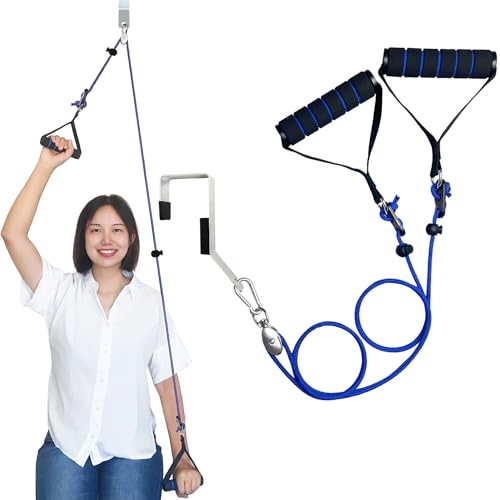
- Passive shoulder exercise using gravity
- Foam-padded handles with adjustable rope
- Metal door bracket designed for easy setup
Best For: home shoulder range-of-motion rehab
Seated Recovery Cardio
Mini Exercise Bike for Legs and Arms

- Low-intensity cycling for arms and legs
- Tension knob for easier resistance control
- Lightweight, portable, and space-saving
Best For: light home recovery exercise and desk pedaling
Shoulder Mobility Tool
Vive Over-Door Shoulder Pulley

- Controlled shoulder motion for rehab
- Button stoppers help manage range of motion
- Padded handles and no-assembly setup
Best For: home shoulder mobility and recovery routines
Balance & Stability Aid
ProsourceFit Exercise Balance Pad
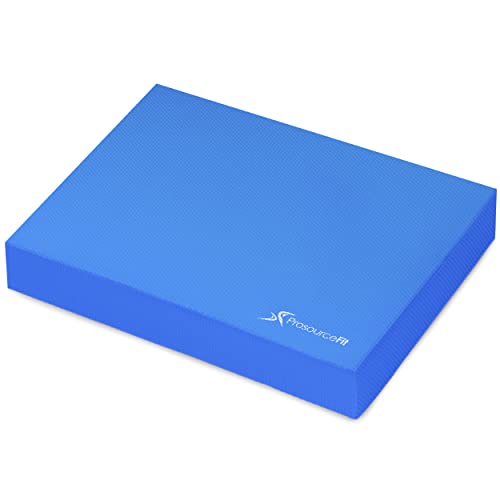
- Unstable foam surface for balance work
- Non-slip TPE material for easy cleaning
- Useful for rehab, yoga, and stability drills
Best For: balance training and stability-focused home rehab
Hand & Finger Rehab Pick

- 5 color-coded resistance levels from 1 lb to 8 lb
- Includes wooden blocks for playful hand exercises
- Compact with a storage pouch for home or travel
Best For: Adults rebuilding hand strength, coordination, and dexterity at home
Shoulder Mobility Choice
Shoulder Pulley Over The Door System

- Helps support gentle passive shoulder ROM work
- No assembly required and ready to use
- Manual design with no electricity needed
Best For: Home users recovering from shoulder pain or surgery
Lower-Body Mobility Aid
Trideer Non-Elastic Stretching Strap

- Non-elastic strap holds stretches without rebound
- Multiple loops help with grip and position control
- Works for legs, hips, back, ankles, and feet
Best For: Controlled home stretching and lower-body mobility recovery
Shoulder Rehab
Over-the-Door Pulley for Mobility

- Easy seated or standing use
- Quick door-mounted setup
- Targets shoulder range of motion
Best For: Home shoulder rehab and rotator cuff recovery
Portable Strength
Pedal Resistance Band with Handles

- Full-body resistance and stretching
- Soft non-slip foot pedals
- Portable for home or travel
Best For: Compact home workouts and light physical therapy
Latex-Free Therapy
5-Level Rehab Resistance Bands
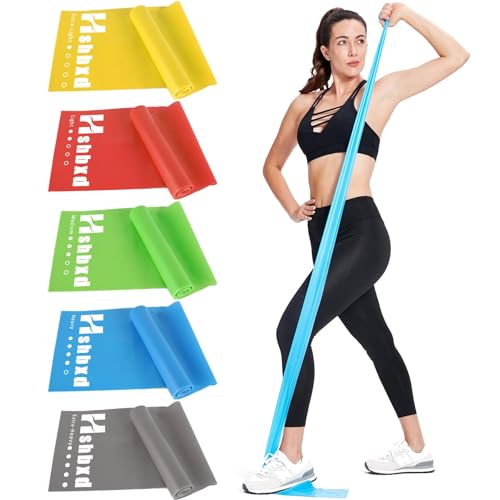
- Latex-free TPE material
- Five resistance levels included
- Compact for home or travel
Best For: Stretching, physical therapy, and gentle resistance work
Shoulder Rehab Support – Shoulder Pulley for Physical Therapy
If you’re shopping for rehab equipment for home, this over-the-door shoulder pulley is a simple way to work on gentle arm movement after injury or surgery. It uses gravity for passive shoulder exercise, and the adjustable rope plus foam-padded handles make it easier to use during a controlled range-of-motion routine.
Best For: Home shoulder rehab focused on range of motion, stiffness relief, and easy daily use.
Pros:
- Uses gravity for passive shoulder rehabilitation and controlled movement
- Zinc-coated housing and nylon wheel are built for smooth, quiet operation
- Metal door bracket is designed for easy installation without scratching the door
- Foam-padded handles and adjustable rope length add comfort and convenience
Cons:
- Designed specifically for shoulder exercises rather than full-body training
- Requires a suitable door setup for overhead use
This is a practical pick if your main goal is a low-complexity shoulder rehab tool that can fit into a home routine. Its focus on smooth motion, adjustability, and comfortable grips makes it a straightforward choice for steady recovery work.
Seated Recovery Cardio – Mini Exercise Bike for Legs and Arms
This compact pedal exerciser is a useful option when you want rehab equipment for home that supports light leg and arm movement without taking up much space. It’s built for low-intensity cycling, and the adjustable tension lets you keep resistance easy while recovering or staying active at a desk.
Best For: Light recovery exercise for legs or arms at home, or under-desk movement during the day.
Pros:
- Supports both leg and arm cycling for low-intensity exercise
- Adjustable tension knob lets you set easier resistance
- Lightweight and portable for home, office, or storage under a desk
- Reinforced steel pipes and ABS plastic help keep it stable
Cons:
- Manual pedal design is better for gentle movement than intense workouts
- Best suited to seated use rather than standing exercise
For anyone who wants a compact, everyday recovery tool, this bike keeps things simple and accessible. It’s especially appealing if you want a small machine that can support light rehab work while watching TV or working.
Shoulder Mobility Tool – Vive Over-Door Shoulder Pulley
For buyers comparing rehab equipment for home, this over-the-door shoulder pulley offers a focused way to work on gentle range-of-motion exercises. It’s designed for shoulder recovery from surgery or injury, with a smooth nylon pulley wheel, padded handles, and button stoppers to help control movement.
Best For: Shoulder rehab at home for people who want controlled movement and easy daily use.
Pros:
- Supports physical and occupational therapy routines for shoulder recovery
- Button stoppers help limit or increase range of motion safely
- No assembly required and fits over most doors with a secure strap
- Foam-covered pulley and padded handles improve comfort and help protect the door
Cons:
- Focused on shoulder mobility rather than general conditioning
- Depends on a door setup for use
This is a strong pick if your priority is a straightforward, therapist-style shoulder routine at home. The combination of controlled motion and comfortable construction makes it easy to use consistently during recovery.
Balance & Stability Aid – ProsourceFit Exercise Balance Pad
If you need rehab equipment for home that helps with balance and stability work, this foam pad is a versatile option for light training and recovery. Its unstable surface is designed to challenge balance and core engagement, while the non-slip TPE material makes it suitable for exercise, yoga, and general floor-based use.
Best For: Balance training, stability work, and gentle rehab after injuries.
Pros:
- Unstable foam surface helps improve balance and core strength
- Useful for rehabilitation after injuries, including feet and ankles
- Non-slip, sweat-proof TPE material is easy to clean
- Large, lightweight design works for many exercises and positions
Cons:
- Not a machine, so it doesn’t provide resistance or guided motion
- Best for floor exercises rather than seated or overhead rehab
This pad makes sense if your recovery plan includes standing stability, balance drills, or support for poses and floor exercises. It’s a simple, portable tool that can add variety without requiring much space or setup.
Hand & Finger Rehab Pick – FitBeast Finger Exerciser Set
If you’re comparing rehab equipment for home, this FitBeast finger exerciser set is a practical pick for rebuilding hand strength, coordination, and dexterity in small, manageable steps. The 5 color-coded resistance levels let you progress from lighter work to more challenging grip training, while the included wooden blocks add a more engaging element to daily rehab sessions.
Best For: Adults who want a compact hand therapy tool for strength, dexterity, and step-by-step recovery work.
Pros:
- 5 resistance levels from 1 lb to 8 lb support gradual progression.
- Includes wooden blocks for grip, lifting, and stacking exercises.
- Wide grip area is designed to fit different hand sizes.
- Compact design comes with a storage pouch for home or travel use.
Cons:
- Designed for adult hand training, so it is not a general family-use item.
- Contains small parts and should be kept away from children.
Overall, this is a focused hand rehab tool for users who want a portable, durable option they can use consistently at home. It stands out most for structured finger training rather than broad full-arm exercise.
Shoulder Mobility Choice – Shoulder Pulley Over The Door System
For rehab equipment for home focused on shoulder range of motion, this over-the-door pulley system keeps things simple and manual. It is built for gentle passive ROM work after injury or surgery, and the no-assembly design makes it easy to start using right away.
Best For: People doing shoulder rehab at home who need a simple pulley for gentle range-of-motion work.
Pros:
- Designed to help restore shoulder ROM during early recovery.
- No assembly required and ready to use out of the box.
- Manual, no-electricity design keeps the setup straightforward.
- Includes door anchor, pulley, rope, and two handles.
Cons:
- Intended for controlled rehab movement, not strength training.
- Users need to stop if they feel pain and follow guidance from a PT.
This is a straightforward choice for someone who wants a low-complexity shoulder mobility aid at home. Its main strength is helping support gentle movement and consistency during recovery.
Lower-Body Mobility Aid – Trideer Non-Elastic Stretching Strap
This stretching strap is a useful addition to rehab equipment for home if you need slow, controlled lower-body mobility work. Its non-elastic build helps you hold positions without bounce, and the multiple loops make it easier to adjust reach while stretching the legs, hips, lower back, ankles, and feet.
Best For: People recovering mobility who want a steady strap for home stretching, leg lifts, and ROM work.
Pros:
- Non-elastic construction provides steady holds with no rebound.
- Multiple loops make grip and position changes easier than towels or ropes.
- Useful for legs, hips, hamstrings, calves, back, ankles, and feet.
- Can double as a leg lifter for bed or car transfers within comfort.
Cons:
- It is not an elastic resistance band, so it is built for stretching rather than resistance work.
- Longer holds may be more comfortable with socks or light gloves.
For controlled home stretching, this strap is a simple and practical mobility aid. It is especially appealing if you want a predictable, non-bouncy tool that supports gradual progress over time.
Shoulder Rehab – Over-the-Door Pulley for Mobility
YPCBYNBS Shoulder Pulley,Over the Door Rehab Exerciser for Physical Therapy & Rotator Cuff Recovery
Check Price On AmazonIf you’re comparing rehab equipment for home, this over-the-door shoulder pulley is a simple option for restoring shoulder mobility after surgery or injury. It’s designed for seated or standing use and focuses on range-of-motion work for the shoulder, making it practical for everyday physical therapy routines.
Best For: Home shoulder rehab, rotator cuff recovery, and gentle mobility work.
Pros:
- Easy to use at home or in the office, in sitting or standing positions.
- Quick door installation with a padded metal bracket attachment.
- Helps increase shoulder range of motion after surgery or injury.
- Useful for conditions like frozen shoulder, arthritis, tendonitis, bursitis, and capsulitis.
Cons:
- Focused mainly on shoulder rehab rather than full-body exercise.
- Requires a compatible door setup for proper installation.
For anyone who wants a straightforward shoulder rehab tool at home, this pulley keeps the focus on mobility and flexibility. It’s a compact, low-complexity choice when the goal is steady range-of-motion work rather than resistance training.
Portable Strength – Pedal Resistance Band with Handles
This pedal resistance band is a practical pick if you want rehab equipment for home that also doubles as a compact workout tool. With upgraded latex tubes and fabric foot pedals, it’s built for full-body resistance work, stretching, and physical therapy-style training in a small space.
Best For: Portable home workouts, light rehab, and full-body resistance training.
Pros:
- Designed for full-body use, including abdomen, waist, arms, back, legs, and glutes.
- Upgraded latex tubes are described as stronger with an anti-snap design.
- Soft, non-slip fabric foot pedals add comfort and stability.
- Lightweight and easy to carry for home, travel, or office breaks.
Cons:
- Marketing focuses heavily on fitness and fat-loss claims, which may matter less for rehab buyers.
- Best suited to lighter resistance work rather than heavy strength training.
If you want one compact piece of equipment that can support rehab, stretching, and general conditioning, this model has broad utility. It’s especially appealing for users who want something portable and comfortable to use without committing to larger gym gear.
Latex-Free Therapy – 5-Level Rehab Resistance Bands
For rehab equipment for home, this latex-free resistance band set is built around flexibility, portability, and simple progression. The five TPE bands offer different resistance levels, making them suitable for stretching, physical therapy routines, yoga, Pilates, and general exercise without taking up much space.
Best For: Latex-free rehab bands for stretching, therapy, and easy resistance progression.
Pros:
- Made from TPE and described as latex-free, powder-free, and fragrance-free.
- Includes five resistance levels from 5 lbs to 30 lbs.
- Long, wide bands can be used for therapy, yoga, Pilates, and stretching.
- Compact and easy to carry for home, gym, travel, or studio use.
Cons:
- Looping the band is needed to create double resistance.
- May be too basic for users looking for a more structured rehab system.
This set is a good fit if you want a low-profile way to work through mobility and strength exercises at home. The five resistance options make it easy to start light and increase gradually as your rehab or flexibility work progresses.
How We Picked the Best Rehab Equipment for Home
We prioritized items that support common at-home rehab needs: range-of-motion work, light resistance, grip training, balance, and low-impact movement. We also looked for simple setup, clear use cases, portable designs, and features that make daily use easier, such as non-slip surfaces, adjustable resistance, and compact storage.
For Rehab Equipment for Home, usefulness matters more than complexity. The best options are the ones you can use consistently, safely, and with guidance from your clinician when needed.
Quick Comparison
Think of these products in groups rather than as interchangeable alternatives. Shoulder pulleys are best for upper-body mobility and post-op shoulder work. Pedal exercisers and resistance bands support gentle strengthening. Balance pads help with stability and proprioception. Finger exercisers and stretch straps are better for smaller muscle groups, flexibility, and controlled recovery drills.
Key Buying Factors for Rehab Equipment for Home
Match the Tool to the Recovery Goal
Start with the body part and function you need to improve. Shoulder pain, leg weakness, grip recovery, and balance deficits each call for different tools. Avoid buying a “general fitness” product if your real need is targeted rehabilitation.
Look for Safe, Controlled Resistance
Rehab should be gradual. Choose equipment with predictable resistance, stable footing, and comfortable handles or straps. For home use, resistance that is too high can slow progress or increase irritation.
Check Setup and Space Requirements
Many people use Rehab Equipment for Home in tight spaces, so portability and easy storage matter. Over-the-door systems, foldable items, and lightweight devices are usually easier to incorporate into a routine.
Prioritize Comfort and Stability
Foam grips, non-slip materials, cushioned pads, and smooth motion can make daily exercise more tolerable. Comfort is important because rehab works best when you can repeat the routine consistently.
Who Should Buy Which Rehab Equipment for Home?
If you are recovering from shoulder surgery or rotator cuff issues, a shoulder pulley is often the most relevant starting point. If you need gentle cardio, leg movement, or arm motion, a pedal exerciser is a better fit. For hand weakness or dexterity training, finger exercisers are more targeted.
If your focus is flexibility or post-surgery mobility in the hips, knees, or legs, choose a looped stretch strap. For balance, stability, and lower-body control, a cushioned balance pad is the most practical option. If you want broader rehab support, resistance bands can cover warm-ups, strength work, and mobility drills in one compact set.
The best choice depends on your rehab phase, your available space, and whether your goal is mobility, strength, balance, or support for a specific joint. When in doubt, follow your physical therapist’s recommendations and choose the simplest tool that helps you stay consistent.