Building core strength is about more than crunches. The right stability tools can improve balance, posture, coordination, and workout variety while keeping training effective at home.
Below, we focus on practical, buyer-friendly options for different goals, from gentle rehabilitation support to more demanding instability training.
Best 10 Stability Equipment for Core Training Picks for 2026
Best for Guided Core Stability
Bosu Balance Ball Exercise Trainer

- 26-inch unstable platform keeps the core working
- Includes guided workouts and an inflation pump
- Supports up to 350 lbs with a non-slip design
Best For: Home users who want a guided balance trainer for core stability, coordination, and rehab-friendly workouts.
Best Biofeedback Trainer
CoreCoach Pressure Biofeedback Device

- Real-time gauge for instant core feedback
- App, videos, and booklet support guided training
- Gentle option for home users and recovery-focused work
Best For: People who want guided core stabilization with instant feedback at home.
Best for Rehab Progressions
OPTP Dynamic Duo Balance Trainers

- Pair design expands exercise variety
- Good for foot, ankle, and balance rehab
- Slip-resistant bases add confidence
Best For: People recovering from injury or building balance, ankle strength, and core stability.
Best for Versatile Core Workouts
ProsourceFit Core Balance Disc

- Compact 14-inch wobble disc for core and balance work
- Dual-textured, non-slip surface for steadier use
- Includes hand pump and doubles as a seat cushion
Best For: Home users who want a portable balance trainer for workouts and seated support.
Best for Biofeedback-Driven Core Training

- Pressure-based feedback helps guide form and core activation.
- Real-time display adds motivation and training visibility.
- Good fit for posture, balance, and progressive core work.
Best For: Home users and trainers who want guided core activation with visual feedback.
Best for Balance Progression
ProsourceFit Exercise Balance Pad
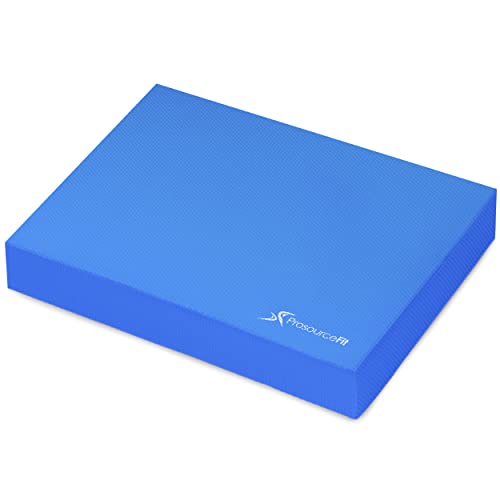
- Adds unstable surface training for core and balance work
- Non-slip TPE helps with sweaty workouts and rehab sessions
- Lightweight, portable, and useful beyond workouts
Best For: Beginners, older adults, and athletes building balance, core control, and stability.
Best for Active Sitting
Gaiam Balance Disc Wobble Cushion
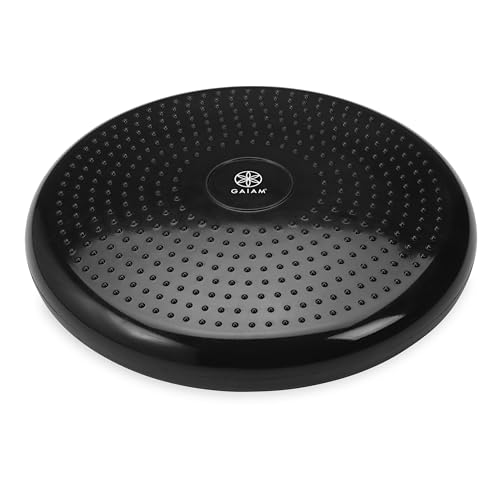
- Adds gentle instability for posture and core engagement
- Inflatable firmness helps tailor comfort and support
- Works for desks, classrooms, and light balance exercises
Best For: People who want a chair cushion that also supports active sitting and light core work.
Best for Wrist-Friendly Core Work
Ultra Rockers Instability Platform
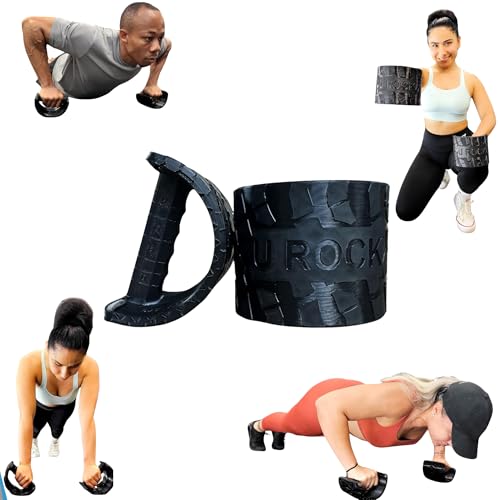
- Increases core and stabilizer engagement
- Helps reduce wrist strain on push-ups
- Supports balance, posture, and alignment
Best For: Home users wanting wrist-friendlier instability training for core and balance work.
Best for Guided Planks
Pure Plank Core Trainer Balance Board

- Ergonomic handles support better plank form and grip
- Soft padding reduces forearm and elbow discomfort
- Digital timer and progress features add structure and motivation
Best For: Beginners and recovery-focused users who want a more comfortable, guided plank setup.
Best for Home Balance Training
LifePro Horizon Half Balance Ball

- Includes setup accessories for quick inflation and use
- Non-slip 23.6" surface supports stable core workouts
- 440 lb capacity and two training modes add versatility
Best For: Home users, beginners, and rehab-minded buyers who want a versatile balance trainer.
Best for Guided Core Stability – Bosu Balance Ball Exercise Trainer
If you want stability equipment for core training that also supports balance, strength, and rehab-style work, this BOSU balance trainer is a practical all-around pick. The 26-inch unstable surface keeps your core engaged during standing drills, squats, and balance work, while the included workout guidance makes it easier to get started at home.
Best For: Home exercisers who want a versatile balance trainer for core stability, coordination, and guided workouts.
Pros:
- Unstable platform helps activate the core during strength and balance exercises
- Includes guided workouts plus an inflation pump for quicker setup
- Supports up to 350 lbs with a non-slip, durable build
- Useful for fitness, rehabilitation, and coordination training
Cons:
- Can feel challenging for beginners unused to unstable surfaces
- Takes a bit of space compared with simple floor accessories
This is a solid choice if you want stability equipment for core training that can do more than one job. It’s especially useful for users who want a balance challenge, a full-body workout option, and a tool that can grow with their training.
Best Biofeedback Trainer – CoreCoach Pressure Biofeedback Device
If you want stability equipment for core training that gives you real-time feedback, CoreCoach is a practical home option. Its pressure gauge, lumbar air pillow, and app-based guidance help you learn better TVA engagement and track core activation more accurately.
Best For: Home users, new mothers, and older adults who want gentle, guided core stabilization work with clear feedback.
Pros:
- Real-time pressure gauge helps you confirm proper core engagement
- Includes app, starter videos, and instruction booklet for guided workouts
- Comfortable lumbar air pillow and carrying bag make it easy to use at home or on the go
- Designed for gentle training, including users rebuilding core strength
Cons:
- More of a feedback trainer than a full workout system
- Best results depend on following the cues consistently
- May feel specialized if you just want simple exercise gear
As stability equipment for core training, CoreCoach stands out for helping beginners and rehab-minded users feel the right muscles working instead of guessing. If you value guided technique over pure resistance, it is a smart, low-impact way to build core awareness and control.
Best for Rehab Progressions – OPTP Dynamic Duo Balance Trainers
If you want stability equipment for core training that also supports foot, ankle, and balance work, the OPTP Dynamic Duo offers a more targeted setup than a basic wobble board. The pair can be used separately or together, making it easy to scale exercises for rehab, conditioning, and coordination drills.
Best For: Physical therapy users, rehab clients, and anyone who wants a versatile balance trainer for core and lower-body stability work.
Pros:
- Can be used individually or as a pair for more exercise options
- Supports multi-plane movement for feet, ankles, and balance training
- Slip-resistant bases improve safety on most surfaces
- Useful for rehab, conditioning, and functional movement drills
Cons:
- Less of a pure core trainer than larger instability platforms
- May be too specialized if you only want general balance work
- Requires guided exercise selection to get the most benefit
For buyers focused on stability equipment for core training with real rehab value, the Dynamic Duo stands out for its flexible, professional-style design and emphasis on controlled movement. It is a smart pick when you need balance training that also helps rebuild strength and confidence in the feet and ankles.
Best for Versatile Core Workouts – ProsourceFit Core Balance Disc
If you want simple, portable stability equipment for core training, this balance disc is an easy way to add wobble and challenge to basic exercises. It works well for planks, standing balance drills, and even as a seat cushion when you want a little extra posture support.
Best For: Home users, beginners, and anyone who wants one compact tool for both workouts and seated balance support.
Pros:
- Helps engage multiple core muscles while improving balance
- Can be used for exercise or as a stability-focused seat cushion
- Dual-textured surface adds grip and a more secure feel
- Includes a hand pump for quick inflation and firmness adjustments
Cons:
- Less versatile than larger balance trainers for advanced routines
- May feel too small for users who prefer a full-size stability ball
This is a practical, low-fuss choice for stability equipment for core training, especially if you want something easy to store and carry. It offers a good mix of workout utility and everyday seating support without taking up much space.
Best for Biofeedback-Driven Core Training – Core Strengthening Trainer
If you want stability equipment for core training that gives more than just a place to brace your abs, this core strengthening trainer stands out for its pressure-based feedback and real-time muscle activity display. It’s designed to help users and trainers fine-tune movement, build better engagement, and support safer progression during core work.
Best For: Home users, trainers, and rehab-minded buyers who want guided core activation with visual feedback.
Pros:
- Real-time feedback can help users adjust form and track muscle engagement.
- Supports targeted core activation for stability, posture, and balance work.
- Useful for personalized training plans and progressive overload guidance.
Cons:
- More specialized than a simple ab wheel or balance pad.
- May be less appealing if you want a low-tech, no-display accessory.
As stability equipment for core training, this is a niche but practical option for people who want measurable feedback and more deliberate core activation. It’s especially appealing if you value guided training over a purely minimalist workout tool.
Best for Balance Progression – ProsourceFit Exercise Balance Pad
The ProsourceFit Exercise Balance Pad is a simple, portable option for stability equipment for core training when you want an unstable surface without bulky gear. Its cushioned foam design adds challenge to balance work, lunges, planks, and rehab drills while staying easy to move, clean, and use at home or in the studio.
Best For: Beginners, older adults, and athletes who want a lightweight balance pad for core work, mobility, and stability drills.
Pros:
- Creates an unstable surface that helps train balance, core control, and ankle/foot strength
- Non-slip, sweat-resistant TPE material is practical for yoga, rehab, and high-rep workouts
- Lightweight and versatile enough to use as a knee pad, seat cushion, or meditation support
Cons:
- Single-pad design offers less challenge than larger wobble boards or full balance trainers
- Foam construction may compress over time with frequent heavy use
For shoppers comparing stability equipment for core training, this pad stands out as an affordable, low-fuss way to add instability to everyday exercises. It is not the most advanced tool, but it is a flexible choice for building confidence, coordination, and foundational balance.
Best for Active Sitting – Gaiam Balance Disc Wobble Cushion
If you want stability equipment for core training that also works as an everyday seat cushion, the Gaiam Balance Disc is a practical pick. It adds gentle instability to a chair or workout routine, helping encourage better posture, light movement, and core engagement without taking up much space.
Best For: Office chairs, classroom sensory seating, and low-impact balance work for users who want subtle movement throughout the day.
Pros:
- Turns most chairs into active seating for posture and core engagement
- Inflatable design lets you adjust firmness for comfort or training
- Useful for desk work, sensory seating, stretching, and balance drills
- Lightweight and portable for home, office, or classroom use
Cons:
- Not a full substitute for dedicated gym stability equipment for core training
- May feel too subtle for users wanting intense instability
- Best on stable chairs, so setup depends on the seat you use
This is a versatile option if you want stability equipment for core training that doubles as a comfort aid for sitting. It is especially appealing for people who prefer gentle movement over aggressive balance challenges.
Best for Wrist-Friendly Core Work – Ultra Rockers Instability Platform
Ultra Rockers adds a rocking instability challenge to familiar moves, making it a practical piece of stability equipment for core training when you want more core and stabilizer muscle engagement without overcomplicating your routine. It also helps shift pressure away from the wrists during push-ups and other upper-body work.
Best For: Home exercisers who want a simple instability platform for core activation, balance work, and wrist-friendlier push-up variations.
Pros:
- Boosts core and stabilizer muscle engagement through controlled instability
- Can reduce wrist strain during push-ups and similar upper-body exercises
- Encourages better alignment, posture, and body awareness
- Versatile for a range of fitness levels and exercise variations
Cons:
- Not a standalone cardio or strength machine
- Instability work can feel challenging for beginners at first
- Results depend on pairing it with a consistent training routine
If you want stability equipment for core training that adds a useful balance challenge while being easier on the wrists, Ultra Rockers is a smart, flexible option for home workouts.
Best for Guided Planks – Pure Plank Core Trainer Balance Board
If you want stability equipment for core training that makes planks easier to hold and easier to stick with, this Pure Plank board is built around comfort, timing, and repeatable form. The ergonomic handles and soft padding help reduce wrist and forearm strain, while the slim design keeps it practical for home, gym, or travel use.
Best For: Beginners, rehab-minded users, and anyone who wants a more comfortable, guided plank routine with built-in motivation.
Pros:
- Ergonomic handles and padding improve grip and reduce pressure on forearms
- Digital timing and progress features help keep core sessions structured
- Portable, slim build is easy to store and take anywhere
- Low-risk design suits a wide range of fitness levels
Cons:
- Focused mainly on planking rather than a full balance-trainer exercise library
- App-style features may be more useful to some users than others
As stability equipment for core training, it stands out more for comfort and consistency than for advanced instability work. If your priority is holding better planks, tracking progress, and staying motivated, this is a smart, beginner-friendly option.
Best for Home Balance Training – LifePro Horizon Half Balance Ball
The LifePro Horizon is a practical pick if you want stability equipment for core training that works right out of the box. Its half-dome design gives beginners more confidence than a full wobble board, while still offering enough challenge for planks, squats, push-ups, and mobility work at home.
Best For: Home users, beginners, and anyone wanting a versatile balance trainer for core work, posture, and low-impact physical therapy.
Pros:
- Includes pump, 10" Pilates ball, straw, tape measure, and plugs for easy setup
- Textured non-slip surface and 23.6" platform support stable, confident movement
- 440 lb capacity makes it suitable for a wide range of bodyweight exercises
- Two-sided design adds variety with dome-up or base-up training
Cons:
- Bulkier than a simple resistance band or floor mat
- Not ideal if you want a very unstable advanced balance challenge
- Requires inflation before first use
Overall, this is a solid all-around option for stability equipment for core training, especially if you want something compact, beginner-friendly, and adaptable for both fitness and physical therapy routines.
How We Picked Stability Equipment for Core Training
We looked for equipment that offers meaningful instability, supports consistent core engagement, and fits common home-use needs. Priority went to adjustable or versatile designs, durable construction, and products that suit beginners as well as more advanced users.
We also considered comfort, storage, and whether the item works for core work only or can support broader strength, balance, and mobility routines.
Quick Comparison
For the most approachable entry point, balance pads and discs are easy to use and low impact. Balance balls and half-ball trainers typically create a bigger challenge and are better for dynamic workouts. Biofeedback and support-focused accessories are more specialized, making them useful for controlled rehab-style training or posture-focused practice.
Key Buying Factors for Stability Equipment for Core Training
Difficulty and Instability Level
Match the product to your current ability. Mild instability is ideal for beginners, older adults, or rehabilitation. More aggressive wobble or elevated platforms are better for experienced users who want a harder core challenge.
Comfort and Surface Design
Look for non-slip textures, cushioned foam, and stable foot placement. If you plan to kneel, plank, or do push-up variations, comfort matters as much as balance.
Size, Weight Capacity, and Storage
Check footprint and load limits before buying. Compact discs and pads store easily, while larger trainers often provide more exercise variety but need more room.
Training Versatility
The best Stability Equipment for Core Training should support more than one movement pattern. Products that work for standing balance, planks, squats, presses, or rehab drills usually offer better long-term value.
Rehab and Feedback Features
If you are recovering from injury or working on deep core activation, biofeedback, lumbar support, or guided workout features can be especially useful. These tools help you train with more control and consistency.
Who Should Buy Which Stability Equipment for Core Training?
Beginners and casual home exercisers should start with pads, discs, or a balance cushion for a manageable challenge. Users focused on athletic performance may prefer a balance board, half-balance ball, or instability platform for more demanding work. Anyone prioritizing core activation, posture, or physical therapy-style exercises should look closely at support-oriented and biofeedback-based options.
If you want the most flexible setup, choose equipment that can evolve with your routine rather than a single-use accessory. That approach makes it easier to progress without replacing your gear too soon.