A wrist roller exerciser is one of the simplest ways to build forearm size, grip endurance, and wrist control at home. The right model can support lifting, climbing, racket sports, and rehab-style training.
Below, we focus on the best options for different needs, from compact rehab-friendly tools to heavier-duty trainers built for progressive overload.
Best 10 Wrist Roller Exerciser Picks for 2026
Heavy-Duty Forearm Builder
Wrist Roller & Forearm Strengthener

- Supports up to 130 lbs of additional load
- Non-slip foam grips for comfort
- Works forearms, grip, shoulders, and arms
Best For: Serious strength training, climbing, and combat sports
Rehab Wrist Wheel
CanDo Pronation/Supination Wrist Exercise Wheel

- Low-strength design for early rehab
- Off-center handlebar for varied motion
- Lightweight and portable at under 1 lb
Best For: Therapy, recovery, and gentle mobility exercises
Thicker-Grip Trainer
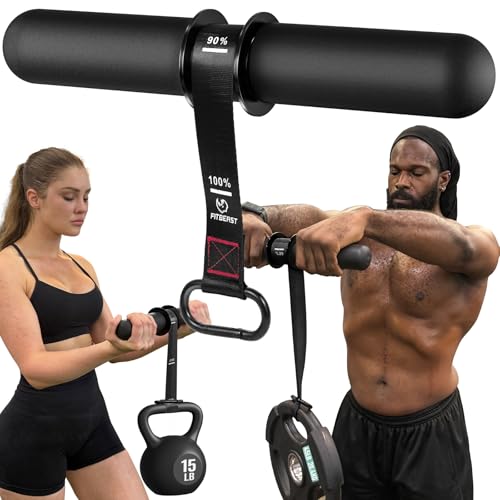
- 25% thicker handles for extra resistance
- Nylon strap supports up to 240 lbs
- Includes 20.4-inch extension strap
Best For: Grip training, muscle building, and rehabilitation
Adjustable Resistance Developer
Marcy Wrist and Forearm Strengthener

- Adjustable grip for a more precise fit
- Variable resistance with 5 levels
- Targets forearms, wrists, and fingers
Best For: Compact home training with adjustable resistance
Therapy Bar Pick
THERABAND FlexBar for Wrist and Forearm Exercise
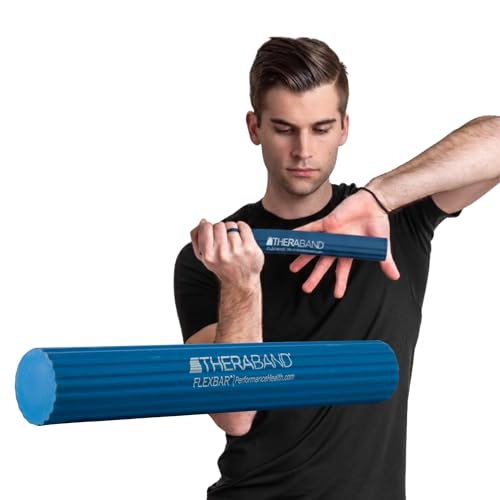
- 25 lb heavy resistance for advanced users
- Compact and portable for home or travel
- Supports wrist, forearm, and grip training
Best For: Rehab users and athletes wanting a portable forearm therapy tool
Metal Grip Pick
Adjustable All-Metal Forearm Strengthener

- Continuously adjustable resistance knob
- All-metal build with silicone grip sleeves
- Compact and quiet for portable training
Best For: People who want an adjustable forearm trainer for daily use
Heavy Roller Pick
Ultra-Strong Nylon Webbing Wrist Roller

- Classic roll-up wrist roller motion
- Supports weights up to 100 pounds
- Adjustable strap lengths for beginners or pros
Best For: Lifters and climbers seeking heavier forearm loading
Desk-Side Recovery Roller
Chirp Wrist Roller & Forearm Strengthener

- 1 lb weighted core for light resistance
- Massage nodes and scraping edge for comfort
- Compact tool for desk, home, or travel use
Best For: Users who want quick recovery-focused wrist and forearm sessions
Heavy-Duty Plate Loader
Forearm Wrist Roller Blaster Trainer

- Steel pipe frame with durable nylon webbing
- Supports standard and Olympic plates up to 120 lb
- Foam handles add comfort and grip control
Best For: Home users who want a sturdy plate-loaded forearm trainer
Grip-Heavy Dual Trainer
DMoose Forearm Strengthener & Wrist Roller

- Dual-purpose roller and forearm strengthener
- Textured rubber handles for secure grip
- Steel rod rated to handle up to 240 lb
Best For: Climbers, lifters, and rehab users wanting tougher training
Heavy-Duty Forearm Builder – Wrist Roller & Forearm Strengthener
If you want a straightforward wrist roller exerciser for building grip and forearm power, this classic roller is built around heavy resistance and simple training. It supports up to 130 lbs of additional load and uses non-slip foam grips for more comfortable sessions.
Best For: Lifters, climbers, and combat-sports athletes who want a heavy-duty forearm and grip trainer.
Pros:
- Supports up to 130 lbs of additional load for progressive training.
- Trains forearm flexors, extensors, and also engages biceps, shoulders, and arm-radius muscles.
- Non-slip foam grips help keep workouts comfortable and controlled.
- Designed as a classic tool for grip and wrist strength work.
Cons:
- Best suited to users who want a heavier training tool rather than rehab-style use.
- Requires adding your own load for training.
This is a practical pick if your goal is raw strength development in the forearms and hands. Its simple design and heavy load capacity make it a strong fit for focused strength work.
Rehab Wrist Wheel – CanDo Pronation/Supination Wrist Exercise Wheel
This wrist roller exerciser is designed more for rehabilitation than heavy strength work, with a wheel that requires little strength to use. It supports gentle pronation and supination movements at home and is commonly used in therapy settings.
Best For: Early-stage rehab, therapy exercises, and gentle wrist and forearm mobility work.
Pros:
- Requires little strength, making it suitable for early rehab.
- Off-center handlebar allows for shorter or longer rolling motions.
- Non-slip rubber wheel surface supports smooth and stable movement.
- Ready to use with virtually no setup and easy to carry.
Cons:
- Not designed for heavy resistance training.
- Single-purpose tool focused on pronation and supination exercises.
For users recovering from injury or surgery, this is a focused and practical therapy aid. Its lightweight, portable build makes it easy to keep up with repetitive mobility work at home or on the go.
Thicker-Grip Trainer – FitBeast Forearm Strengthener
If you want a wrist roller exerciser with more grip challenge, this FitBeast trainer adds 25% thicker handles for extra resistance. It is aimed at grip strength, muscle building, and rehabilitation, and includes a nylon strap rated to support up to 240 lbs.
Best For: Users who want a tougher grip challenge plus a versatile forearm and rehab trainer.
Pros:
- 25% thicker handles add extra resistance and target more hand and forearm muscles.
- Nylon strap supports up to 240 lbs and works with kettlebells, dumbbells, or plates.
- Includes a 20.4″ extension strap for more attachment options.
- Built for heavy use with a 5-year warranty.
Cons:
- Thicker handles may feel more demanding than standard-grip options.
- Better suited to users who want adjustable resistance and attachment flexibility.
This is a strong choice if you want one tool that can support both training and recovery. The combination of thicker handles, high load support, and strap versatility gives it broad usefulness.
Adjustable Resistance Developer – Marcy Wrist and Forearm Strengthener
Marcy Wrist and Forearm Developer/Strengthener Home Gym Gear - Wedge Multi-coloured, 9x4x1"
Check Price On AmazonThis wrist roller exerciser takes a more controlled approach, using an adjustable grip and variable resistance system to target the forearms, wrists, and fingers. Its compact size makes it easy to store, and the manual design keeps the focus on arm exercise work.
Best For: Home users who want a compact forearm developer with adjustable resistance.
Pros:
- Targets forearms, wrists, and fingers to help build grip strength.
- Variable resistance system helps you monitor progress across 5 resistance levels.
- Adjustable grip helps create a more precise fit for your forearms.
- Compact enough for convenient home storage.
Cons:
- Made of plastic and foam rather than metal-heavy construction.
- Less portable than simpler handheld rehab tools.
For buyers who want a home-gym style forearm trainer with adjustability, this Marcy model is a solid fit. It emphasizes controlled progression and targeted arm work instead of raw-load wrist roller training.
Therapy Bar Pick – THERABAND FlexBar for Wrist and Forearm Exercise
If you want a wrist roller exerciser alternative that focuses on controlled twisting and bending, the THERABAND FlexBar is built for rehab-style forearm work. Its 25 lb blue resistance makes it a stronger option for users advancing through therapy or rebuilding grip strength after injury.
Best For: People who want a portable therapy tool for wrist, forearm, and grip training, especially for tennis elbow or tendonitis support.
Pros:
- 25 lb heavy resistance is suited to advanced therapy stages.
- Compact, lightweight design makes it easy to use at home, work, or the gym.
- Designed for wrist, forearm, and grip-strength exercises with a non-slip grip.
- Available in multiple resistance levels for different training stages.
Cons:
- Not a traditional wrist roller with a strap-and-weight setup.
- Blue resistance may be too challenging for beginners.
Overall, this is a practical therapy-focused option if your priority is controlled wrist and forearm strengthening rather than a classic rolling device. It stands out for portability and progressive resistance, but it is best for rehab and mobility work more than heavy loading.
Metal Grip Pick – Adjustable All-Metal Forearm Strengthener
For shoppers seeking a wrist roller exerciser with a compact, adjustable design, this all-metal forearm strengthener is built for controlled training anywhere. The continuously adjustable resistance knob and silicone grip sleeves make it a practical choice for hands, wrists, and forearms.
Best For: Users who want a portable, quiet forearm trainer with adjustable resistance for grip and wrist work.
Pros:
- All-metal construction is designed for durability and stability.
- Continuously adjustable resistance lets you fine-tune workout intensity.
- Non-slip silicone grip sleeves improve comfort and control.
- Compact and lightweight for use at home, in the office, or while traveling.
Cons:
- Does not use a weight-and-strap wrist roller format.
- May be more specialized than a simple basic grip trainer.
This is a solid option if you want one compact tool for forearm, wrist, and grip work with adjustable tension. It is especially appealing for users who value portability and a more precise resistance setup.
Heavy Roller Pick – Ultra-Strong Nylon Webbing Wrist Roller
If you want a wrist roller exerciser that follows the classic roll-up-and-roll-down motion, this nylon-webbing forearm strengthener is the most traditional option here. It supports weights up to 100 pounds and includes adjustable strap lengths for beginner or advanced training.
Best For: Lifters and athletes who want a classic wrist roller setup for forearm strength, grip work, and heavier loading.
Pros:
- Supports up to 100 pounds for heavier forearm training.
- Adjustable 43.3″ and 51.2″ strap lengths suit different experience levels.
- Foam grip handles are designed to improve comfort and reduce discomfort.
- Works with many heavy objects, including dumbbells, kettlebells, and backpacks.
Cons:
- Requires your own weight source to use effectively.
- More workout-focused than rehab-focused compared with softer therapy tools.
This is the best match if your goal is straightforward wrist-roller training with a heavier load ceiling. It offers the most classic setup in the group and is geared toward strength progress rather than gentle rehab.
Desk-Side Recovery Roller – Chirp Wrist Roller & Forearm Strengthener
If you want a wrist roller exerciser that does more than basic strengthening, this Chirp model adds a recovery-first feel to short daily sessions. The 1 lb weighted core, massage nodes, scraping edge, and soft-touch surface make it a compact option for easing wrist and forearm tension while also working grip and forearm stability.
Best For: People who want an all-in-one roller for light strengthening, desk relief, and quick recovery breaks.
Pros:
- 1 lb weighted core adds resistance while you roll.
- Massage nodes and scraping edge support comfort and circulation.
- Compact size makes it easy to use at a desk, at home, or on the go.
- Combines strengthening and recovery in one tool.
Cons:
- Lightweight design may not suit users wanting heavy loading.
- Plastic construction is less rugged than steel alternatives.
- Focused more on comfort and moderate training than intense plate-based work.
This is a practical choice if you want a wrist roller exerciser that fits into everyday routines and covers both tension relief and basic grip work. It is especially appealing for short sessions between meetings or after repetitive hand use.
Heavy-Duty Plate Loader – Forearm Wrist Roller Blaster Trainer
This wrist roller exerciser is built for users who want a more traditional plate-loaded setup. With a steel pipe frame, EVA foam handles, and nylon webbing, it is designed for forearm, wrist, and grip training at home without taking much space.
Best For: Lifters and rehab users who want a sturdy, plate-loaded wrist roller for home workouts.
Pros:
- Steel construction with durable nylon webbing for heavy-duty use.
- Foam handles help improve comfort and non-slip control.
- Compatible with standard and Olympic plates, up to 120 lb capacity.
- Useful for grip training, wrist work, and hand rehabilitation.
Cons:
- Weight plates are not included.
- More setup required than compact all-in-one rollers.
- Best suited to users who already have plates available.
If you want a straightforward wrist roller exerciser with a more serious loading potential, this Morwealth trainer is the strongest fit in the group. It leans toward classic strength training while still being practical for home rehab and sport-specific grip work.
Grip-Heavy Dual Trainer – DMoose Forearm Strengthener & Wrist Roller
For buyers looking for a wrist roller exerciser that feels built for harder sessions, this DMoose model combines wrist rolling and forearm strength work in one tool. The textured rubber handles, steel rod, and grooved finger roller are aimed at grip training, rehab support, and regular strength progression.
Best For: Climbers, lifters, and rehab-focused users who want a tougher dual-purpose roller.
Pros:
- Dual-function design combines wrist roller and forearm strengthener.
- Textured rubber handles are made to stay secure during sweaty training.
- Steel rod is rated to handle up to 240 lb.
- Grooved roller texture adds a therapeutic feel for rehab and dexterity work.
Cons:
- Heavier, more strength-focused design may be more than casual users need.
- Not as compact or recovery-oriented as lighter handheld options.
- Medium to extra-heavy tension range may feel demanding for beginners.
This is a strong pick if your priority is performance training rather than simple wrist relief. Among wrist roller exerciser options, it stands out for its higher load tolerance and dual-purpose design that supports both strength and rehab.
How We Picked the Best Wrist Roller Exerciser Options
We looked for models that balance durability, comfort, and training value. That means secure straps or bars, dependable load capacity, non-slip grips, and formats suited to both strength work and controlled wrist movement. We also favored designs that are easy to store and simple to use consistently.
Quick Comparison: Which Style Fits Your Training?
Not every Wrist Roller Exerciser serves the same purpose. Traditional strap-and-bar rollers are best for progressive forearm loading. Weighted or multi-function trainers can be better for general grip work. Rehab-focused tools, such as flex bars or pronation/supination wheels, are often more controlled and joint-friendly. If you want pure strength gains, choose a sturdier load-bearing roller. If comfort and versatility matter more, pick a trainer with multiple grip positions or accessory-friendly features.
Key Buying Factors for a Wrist Roller Exerciser
Load Capacity and Resistance
Look at how much weight the tool can handle and how resistance is created. Higher-capacity models are better for strength progression, while lighter options suit beginners or recovery work.
Handle Comfort and Grip Security
A Wrist Roller Exerciser should feel secure even when your forearms are fatigued. Thick, textured, or non-slip handles reduce hand strain and help you maintain form.
Strap or Cable Length
Longer straps and adjustable lengths make it easier to set the roller at the right starting height. This can improve range of motion and make the exercise more comfortable.
Build Quality and Portability
Metal components, reinforced webbing, and solid hardware generally last longer under repeated loading. If you plan to train at home, in a garage gym, or while traveling, compact and lightweight options are worth considering.
Who Should Buy Which Wrist Roller Exerciser?
Choose a heavy-duty Wrist Roller Exerciser if your main goal is grip strength, forearm hypertrophy, or athletic performance. Pick a rehab-oriented tool if you are easing back from elbow or wrist discomfort and want more controlled movement. If you want all-around value, a basic adjustable roller is often the best place to start.
For most buyers, the best choice is the model that matches both your current strength level and your long-term training plan. A good Wrist Roller Exerciser should feel challenging, comfortable, and easy to keep using week after week.