For someone curious about how the body works, useful gifts can turn study into something they can handle, examine, or revisit. This guide pairs anatomy and biology learning tools with a few practical picks for study spaces and general wellness.
Educational Christmas gifts for curious learners
1. FLEXISPOT EN1 Electric Standing Desk
A More Flexible Study Setup
FLEXISPOT EN1 Electric Standing Desk
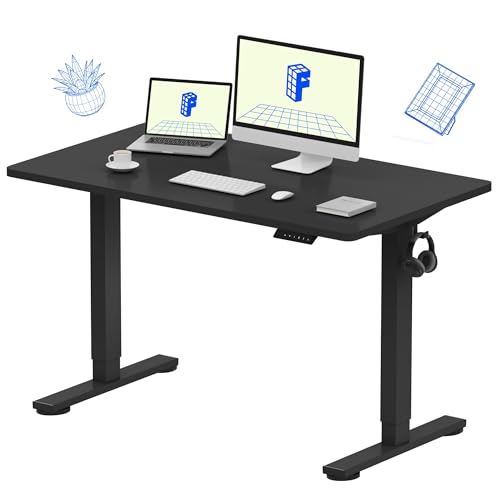
- Electric height adjustment supports sitting or standing.
- Four memory presets let users save preferred heights.
- The seamless 48-by-24-inch desktop offers space for monitors and study materials.
Best For: A student who spends long stretches reading, writing, or studying.
2. MyBODY Magnetic Human Anatomy Model
Hands-On Body Systems Puzzle
MyBODY Magnetic Human Anatomy Model

- Build the body from a magnetic skeleton base through seven anatomy layers.
- Includes muscular, digestive, nervous, circulatory, and respiratory layers.
- Seven information sheets and reusable labels support learning as they build.
Best For: Ages 5 and up who enjoy puzzles and learning about anatomy.
3. 120 Prepared Microscope Slides
A Closer Look at Biology
120 Prepared Microscope Slides

- The set includes 120 prepared specimens across plant, animal, tissue, cell, and microbe topics.
- Color-coded labels and an identification chart help organize exploration.
- The slides come in a storage case and are described for ages 11 and up.
Best For: A biology learner with access to a compatible microscope.
4. TOMLOV DM9 Digital Microscope
Screen-Based Close-Up Explorer

- A built-in 7-inch LCD shows magnified details for shared viewing.
- The camera can capture photos and 1080p video of small objects and specimens.
- Adjustable LED lighting and a 16GB memory card are included.
Best For: A student or hobbyist who likes examining tiny details.
5. GE Smart Body Composition Scale
Wellness Metrics at Home
GE Smart Body Composition Scale

- The scale tracks weight and provides body composition estimates through its app.
- Its display shows seven metrics, including weight, BMI, and body fat.
- The app saves historical charts and supports multiple user profiles.
Best For: An adult interested in following general wellness trends.
6. Greater Goods Dual-Head Stethoscope
A First Clinical Study Tool
Greater Goods Dual-Head Stethoscope

- The rotating dual-head chestpiece switches between a bell and tunable diaphragm.
- The stethoscope includes spare ear tips and an extra diaphragm.
- Latex-free tubing and a non-chill rim are among its listed features.
Best For: A nursing, medical, or EMT student learning clinical basics.
7. breesky Life-Size Skeleton Model
Anatomy You Can Examine
breesky Life-Size Skeleton Model

- The 70.8-inch model has 206 articulated bones with detachable, movable joints.
- A five-wheel rolling stand makes it movable between indoor study spaces.
- Three posters are included.
Best For: An anatomy student or visual learner with room for a life-size model.
8. WICHEMI Life-Size Brain Model
Brain Study in Sections

- The model separates into brain components including the cerebellum and brainstem.
- A numbered diagram identifies 41 markers.
- A full-color manual accompanies the model for study or classroom use.
Best For: A learner focused on the brain and nervous system.
9. EVOTECH 16-Part Torso Anatomy Model
A Portable Tour of the Torso
EVOTECH 16-Part Torso Anatomy Model
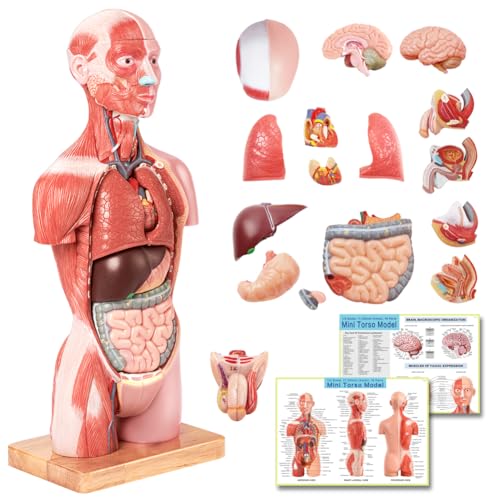
- Sixteen removable parts include the brain, heart, lungs, stomach, liver, and intestines.
- The model includes a colorful educational brochure.
- Its portable size is intended to fit in a bag for classes.
Best For: A student of anatomy, nursing, or physiology.
10. 32-Part Dual-Sex Human Body Model
Anatomy with Removable Organs
32-Part Dual-Sex Human Body Model

- The model includes 32 removable parts covering organs, muscles, bones, and vessels.
- Interchangeable male and female parts are included.
- A manual supports self-study, homeschooling, or classroom learning.
Best For: A curious student or family who learns by assembling and examining models.
11. Brightech LightView PRO Magnifying Lamp
Detail-Friendly Study Lighting
Brightech LightView PRO Magnifying Lamp

- The 2.25x optical lens is designed for close work such as reading and crafts.
- A flexible swing arm and clamp position the lamp at a work surface.
- LED lighting illuminates detailed tasks.
Best For: Someone who studies fine diagrams, labels, or small specimens.
12. National Geographic Human Body Model
A Hands-On Body Kit for Kids
National Geographic Human Body Model

- The 32-piece kit includes removable organs, muscles, and glow-in-the-dark bones.
- Forceps, an identification chart, and a learning guide are included.
- The set is described for children ages 8 and up.
Best For: A younger learner who enjoys hands-on science activities.
13. 12 Laminated Human Anatomy Posters
Visual References for the Study Space
12 Laminated Human Anatomy Posters

- The 12 posters cover major body systems, including skeletal, digestive, and nervous systems.
- They are laminated, tear-resistant, and designed to be written on and wiped clean.
- The 18-by-30-inch set includes horizontal and vertical designs.
Best For: A student or teacher who wants visual references in a study space.
14. TribeRN Anatomy and Physiology Flash Cards
Portable Self-Quiz Practice
TribeRN Anatomy and Physiology Flash Cards

- The set contains 320 anatomy and physiology cards covering major body systems.
- Color-coded illustrations, labels, and definitions support visual review.
- A ring keeps the cards together for portable study sessions.
Best For: A nursing or pre-med student who likes quick review and self-quizzing.
Choosing educational gifts for body science learners
Start with what the recipient already enjoys doing. A child who likes assembling puzzles may get more use from a layered anatomy model or the National Geographic body kit. A learner who prefers visual references could appreciate the poster set, while someone preparing for nursing or medical coursework may value flash cards or a stethoscope suited to clinical learning. For a microscope gift, check that the recipient has access to a microscope; the prepared slides are intended to work with most microscope types, but the microscope itself is not part of that set.
Think about the kind of learning the gift supports. Removable parts encourage hands-on exploration, posters make concepts easy to revisit, and flash cards suit short self-quizzing sessions. A digital microscope can make close-up subjects visible on its own screen or a connected computer. For a study-space upgrade, the standing desk and magnifying lamp support everyday work rather than teaching anatomy directly. The smart scale offers wellness tracking, but its body-composition readings are estimates intended for long-term trends, not professional medical analysis.
Match the gift to your budget and the space
Prices change, so compare current listings against the amount you plan to spend rather than relying on a remembered figure. Smaller study aids, such as cards or posters, can be easier to fit into a modest gift budget and need little floor space. Models range in scale: a compact brain model or child-focused body kit occupies less room than a life-size skeleton or larger torso model. Desks and digital microscopes are substantial gifts, so consider the recipient’s available workspace and whether the item fits your budget before choosing.
When comparing similar models, focus on the educational use. A child may benefit from age-suited pieces and included guides; a medical student may want a more detailed display model or clinical learning tool. Look at the listed contents to see whether the diagrams, labels, removable organs, or system coverage fit what the recipient is studying. Avoid assuming that a general anatomy model follows a particular course or curriculum unless its listing says so.
Check compatibility and personalization
For equipment gifts, confirm the parts that need to work together. The slide set requires a microscope, and the digital microscope’s computer connection is described for Windows and Mac. Check the intended desk location for a standing desk, and make sure there is room to move a life-size skeleton model if that is the choice. The magnifying lamp’s clamp needs a suitable desk edge or workbench.
Personalization can come from matching the gift to a hobby or routine. A student fascinated by the brain may prefer a dedicated brain model; someone who enjoys examining coins, plants, or small components may use the digital microscope in several ways. For a visual learner, anatomy posters can make a study area more useful. A student who travels between classes may favor the portable torso model or ring-bound cards. Consider age guidance and small removable pieces when selecting a gift for a younger child.
Timing and last-minute decisions
Educational gifts often need a little setup or context. Check the current listing for delivery estimates and included components before ordering, especially for larger models or equipment. If time is short, a compact study aid may be simpler to wrap and use, while a desk or large model may need space planning and assembly. For gifts that depend on another device, confirm that the recipient has compatible equipment before purchase.
A useful last-minute choice is one that connects clearly to the learner’s next step: a visual guide for a new anatomy unit, cards for regular review, or a model that makes a difficult system easier to picture. Add a short note explaining why you chose it, such as the topic they have been exploring or the study habit it supports. That makes even an ordinary science or wellness product feel personal at Christmas.