The best fitness trackers for sleep make overnight monitoring simple, comfortable, and useful. This roundup compares 10 options across sleep tracking, heart-rate sensors, battery life, displays, coaching, and everyday fitness features.
Whether you want detailed recovery insights, a discreet screen-free band, or an affordable tracker with smartwatch-style functions, use the guide below to narrow your choices.
Best 10 Fitness Trackers for Sleep Picks for 2026
Premium Sleep Coaching
WHOOP 5.0 with 12-Month Membership

- Detailed sleep-stage and sleep-need tracking
- AI coaching links habits to recovery
- 14+ days of battery with wearable charging
Best For: In-depth sleep, recovery, and coaching insights
Everyday Sleep Simplicity

- Automatic sleep tracking and daily Sleep Score
- Up to 10 days of battery life
- Tracks stress, heart rate, SpO2, and activity
Best For: Simple sleep and wellness tracking on a compact band
Feature-Packed Value
H32 Pro Smart Watch Fitness Tracker

- Tracks light sleep, deep sleep, and wake time
- Includes 120+ sports modes and all-day activity tracking
- Adds notifications, reminders, and customizable watch faces
Best For: Sleep tracking plus smartwatch and workout features
Connected Sleep and Fitness
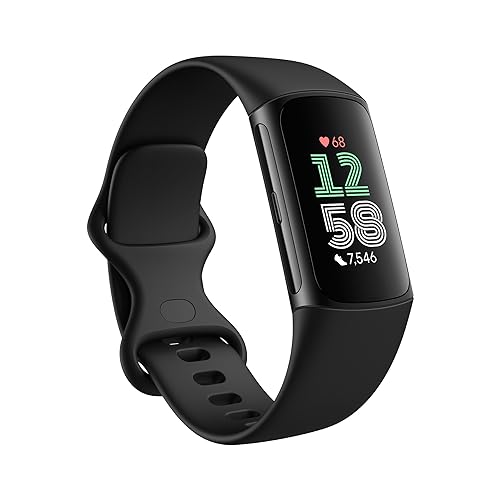
- Personalized Sleep Score and Smart Wake alarm
- Built-in GPS and 40+ exercise modes
- Supports Google Maps, Wallet, and YouTube Music
Best For: Sleep tracking combined with connected fitness features
Best Screen-Free Pick
Screenless Sleep & Wellness Band

- Tracks light, deep, and REM sleep plus HRV and SpO2
- 170+ sports modes with smartphone-connected GPS
- 25g design and claimed 20–30-day battery
Best For: Distraction-free overnight wellness tracking
Best No-Phone Simplicity

- Core tracking works without an app or phone
- Records deep, light, and awake sleep time
- 5–7 days of use with nine sport modes
Best For: Straightforward sleep and activity tracking
Best Display Pick

- 1.47-inch OLED display for on-wrist information
- Tracks sleep stages, heart rate, and SpO2
- 25 sports modes with IP68 water resistance
Best For: Visible sleep and activity tracking with smart features
Most Versatile Sleep Tracker
MorePro 120+ Sport Fitness Tracker
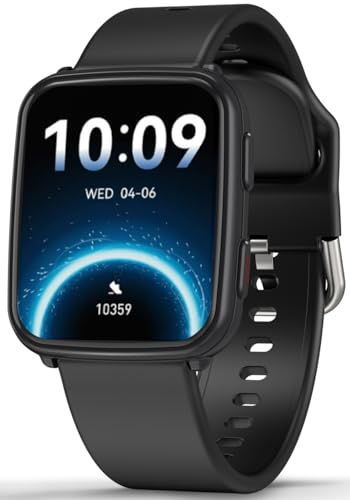
- Tracks deep, light, and awake sleep stages
- Includes 120+ sport modes and daily activity metrics
- Offers up to 7 days of normal-use battery life
Best For: Sleep and fitness tracking across varied activities
Best Display for Sleep Tracking
Fitness Tracker with 1.10-inch AMOLED Screen

- Monitors sleep timing plus light and deep sleep
- Features a 1.10-inch AMOLED touchscreen
- Adds 25 sports modes and connected GPS
Best For: Readable sleep data and everyday activity tracking
Best Battery for Sleep Tracking

- Analyzes sleep stages and provides a nightly sleep score
- Offers 10–14 days of regular-use battery life
- Has 5 ATM water resistance and 25 sport modes
Best For: Long overnight wear and water-oriented activities
Premium Sleep Coaching – WHOOP 5.0 with 12-Month Membership
For shoppers seeking fitness trackers for sleep with detailed recovery guidance, WHOOP 5.0 combines a screenless, lightweight design with continuous sleep and health tracking. Its membership includes the device, a SuperKnit band, and a waterproof wireless PowerPack.
Best For: Users who want in-depth sleep analysis, personalized coaching, and recovery-focused insights.
Pros:
- Tracks REM, deep, light, awake time, sleep need, sleep debt, consistency, and efficiency.
- AI coaching connects sleep, training, habits, and recovery using more than 140 health and fitness metrics.
- Offers 14+ days of battery life and charging while worn with the wireless PowerPack.
- Includes menstrual-cycle and hormonal-health insights.
Cons:
- Requires a 12-month WHOOP Peak membership.
- Its screenless design may not suit shoppers who want on-device displays or notifications.
WHOOP 5.0 is a strong fit when sleep improvement is tied to coaching and long-term recovery trends rather than basic sleep-duration tracking. The membership model is the main consideration, but the included hardware and extensive analysis make it a specialized option.
Everyday Sleep Simplicity – Fitbit Inspire 3
Fitbit Inspire 3 is a slim, approachable choice among fitness trackers for sleep, offering automatic sleep tracking, a daily Sleep Score, and a smart wake vibrating alarm. It also adds all-day activity, stress, heart-rate, and exercise features in a compact band.
Best For: Everyday users who want straightforward sleep tracking, wellness metrics, and a lightweight fitness band.
Pros:
- Provides automatic sleep tracking, detailed daily Sleep Scores, and sleep mode.
- Offers up to 10 days of battery life.
- Tracks heart rate, stress, SpO2, menstrual health, activity, and more than 40 exercise modes.
- Water resistant to 50 meters and compatible with supported iOS and Android devices.
Cons:
- GPS requires a smartphone connection rather than built-in GPS.
- Some additional coaching features require a separate premium membership.
Inspire 3 balances useful sleep features with a simple, minimalist design and long battery life. It is a practical starting point for shoppers who want sleep insights without the more specialized membership approach of advanced recovery wearables.
Feature-Packed Value – H32 Pro Smart Watch Fitness Tracker
This H32 Pro smartwatch combines basic sleep tracking with a broad set of everyday smartwatch tools. For shoppers comparing fitness trackers for sleep, it records light and deep sleep along with wake times, while also supporting activity tracking, notifications, and more than 120 sports modes.
Best For: Users who want sleep-stage tracking alongside a large display, sports modes, and phone-connected daily features.
Pros:
- Tracks light sleep, deep sleep, and waking periods.
- Includes 24/7 heart-rate, blood oxygen, and blood-pressure monitoring features.
- Offers more than 120 exercise modes and all-day step, distance, and calorie tracking.
- Includes call and message notifications, reminders, weather, music control, and customizable watch faces.
Cons:
- Workout route GPS depends on connection to a phone’s GPS.
- Compatibility requires supported Android or iOS smartphones.
- The supplied notes do not specify battery life.
The H32 Pro is more smartwatch than dedicated sleep wearable, making it appealing if sleep data is only one part of your routine. Its extensive feature list and large display add convenience, though shoppers focused primarily on sleep may prefer a tracker with more detailed sleep coaching.
Connected Sleep and Fitness – Fitbit Charge 6
Fitbit Charge 6 is a versatile pick among fitness trackers for sleep, pairing a personalized nightly Sleep Score and Smart Wake alarm with built-in GPS, exercise tracking, and 24/7 heart rate. It also supports Google Maps directions, Google Wallet, and YouTube Music controls.
Best For: Users who want sleep insights in a full-featured tracker with built-in GPS and Google-connected tools.
Pros:
- Provides a personalized nightly Sleep Score and Smart Wake alarm.
- Includes built-in GPS, more than 40 exercise modes, and automatic exercise tracking.
- Tracks heart rate, stress response, SpO2, and other activity metrics.
- Offers Google Maps directions, Google Wallet, and YouTube Music controls.
Cons:
- Battery life is listed at up to seven days, shorter than some simpler trackers.
- Google Health Premium coaching features require a separate subscription after the included trial.
- Requires a compatible smartphone for supported connected features.
Charge 6 suits shoppers who want sleep tracking without giving up navigation, payments, and workout versatility. Its Sleep Score and Smart Wake features cover everyday sleep needs, while built-in GPS makes it more capable for outdoor exercise than phone-dependent trackers.
Best Screen-Free Pick – Screenless Sleep & Wellness Band
For shoppers comparing fitness trackers for sleep, this screenless smart band focuses on overnight tracking without adding another bright display to your wrist. It records light, deep, and REM sleep, along with heart rate, HRV, SpO2, stress, and activity data, then syncs those trends to the QwatchPro app.
Best For: People who want detailed sleep and wellness insights, long battery life, and a distraction-free screenless design.
Pros:
- Tracks light, deep, and REM sleep alongside HRV, heart rate, SpO2, and stress.
- Offers 170+ sports modes and smartphone-connected GPS for supported outdoor activities.
- Lightweight 25g design, IP68 water resistance, and a claimed 20–30-day battery.
- Uses a free app with no subscription or hidden membership fees.
Cons:
- The band has no built-in display, so data and alerts require the app or vibration notifications.
- GPS depends on a connected smartphone rather than being built into the band.
- Readings are for reference and the device is not a medical device.
This is a strong choice when sleep tracking is the priority and you prefer minimal wrist distractions. Its extended battery and broad wellness metrics also make it practical for continuous wear, though smartphone-connected GPS and app syncing are part of the experience.
Best No-Phone Simplicity – Basic Sleep Tracking Watch
If you want fitness trackers for sleep without depending on an app or phone for basic use, this LIVIKEY watch keeps the experience straightforward. It monitors sleep stages, including deep sleep, light sleep, and awake time, while also tracking heart rate, steps, calories, distance, and active time.
Best For: Users who want a simple tracker that can function like a regular watch without requiring smartphone setup.
Pros:
- Does not require an app or phone connection for core tracker use.
- Provides sleep-stage analysis covering deep sleep, light sleep, and awake time.
- Tracks heart rate, steps, calories, distance, and active time.
- Includes nine sport modes, IP68 water resistance, and 5–7 days of continuous use per charge.
Cons:
- Offers fewer sport modes and a shorter stated battery life than the other listed options.
- It cannot make calls or send texts; notifications are limited to alerts from a connected phone.
- It does not support tablets or computers.
This watch is appealing for shoppers who prioritize uncomplicated sleep and activity tracking over advanced wellness metrics. It can connect to iPhone and Android phones for additional features, but its core no-app positioning makes it especially suitable for users who want a less connected device.
Best Display Pick – OLED Sleep Monitor Smart Band
For buyers seeking fitness trackers for sleep with on-wrist visibility, this smart band combines a 1.47-inch OLED display with overnight and all-day monitoring. It tracks sleep stages, heart rate, blood oxygen, steps, distance, and calories, while also showing notifications and selected phone controls.
Best For: People who want a readable display, sleep-stage tracking, broad daily health metrics, and smart notification features.
Pros:
- Displays sleep analysis for deep, light, and awake periods.
- Provides 24/7 heart rate and SpO2 monitoring, plus activity and calorie tracking.
- Includes 25 sports modes and automatic tracking for steps, distance, and calories.
- Offers IP68 water resistance, iOS/Android compatibility, and up to 7 days of continuous use according to the notes.
Cons:
- It has no built-in GPS, so outdoor route tracking is not available from the band itself.
- The product notes mention both 10–14 days of regular use and up to 7 days of continuous use, so battery life may vary by usage.
- Health readings are not described as medical measurements and should be treated as general wellness data.
The OLED screen makes this a more convenient everyday option than a screenless band if you want to check information at a glance. It balances sleep monitoring with notifications and phone-control features, although shoppers wanting route tracking will need a device with built-in GPS.
Most Versatile Sleep Tracker – MorePro 120+ Sport Fitness Tracker
The MorePro combines detailed sleep tracking with broad activity features, making it a practical choice among fitness trackers for sleep if you also want workout and everyday health data. It records deep sleep, light sleep, and wake-ups, while also tracking heart rate, blood pressure, blood oxygen, steps, calories, and distance. Health readings are for reference and not medical use.
Best For: Users who want sleep insights alongside extensive workout modes and women’s health tracking.
Pros:
- Tracks deep sleep, light sleep, and wake-ups.
- Offers 120+ sport modes plus steps, distance, calories, and training time.
- Includes heart rate, blood pressure, and on-demand blood oxygen monitoring.
- Provides up to 7 days of normal use and IP68 water resistance.
Cons:
- Health measurements are not intended for medical use.
- Not compatible with PCs or tablets.
- Its many features may be more than sleep-focused buyers need.
Choose this model if you want one watch to connect sleep trends with a wide range of daily activities. Its extensive sports support and cycle-tracking tools make it especially flexible, though a simpler device may suit shoppers focused only on sleep.
Best Display for Sleep Tracking – Fitness Tracker with 1.10-inch AMOLED Screen
This fitness tracker pairs sleep monitoring with a bright 1.10-inch AMOLED display and a straightforward set of daily health tools. It records sleep duration, falling-asleep and wake times, plus light and deep sleep, then makes the results available in the Keep Health app. The sleep information is for reference and does not replace medical advice.
Best For: Shoppers who want readable sleep and activity information on a compact AMOLED watch.
Pros:
- Tracks falling asleep, waking, light sleep, deep sleep, and sleep duration.
- Uses a 1.10-inch AMOLED HD color touchscreen.
- Offers 25 sports modes and connected GPS for workout routes.
- Includes IP68 water resistance and up to 7 days of battery life.
Cons:
- Sleep data is intended for reference only.
- GPS is connected rather than described as built into the watch.
- There is no warranty listed in the supplied details.
This is a sensible middle-ground option for buyers who value an easy-to-view screen without giving up sleep-stage tracking. Its 25 sports modes and smart reminders add useful everyday functionality, while the app is needed to review sleep details.
Best Battery for Sleep Tracking – Zeacool 5 ATM Fitness Tracker
The Zeacool is a strong fit for shoppers seeking fitness trackers for sleep that can remain on the wrist for several nights between charges. Its sleep monitor analyzes deep sleep, light sleep, and awake stages and provides a nightly sleep score in the Keep Health app. It also tracks heart rate, blood oxygen, blood pressure, temperature, steps, distance, and calories; these readings should not be treated as medical advice.
Best For: Users who prioritize longer battery life, sleep scores, and swimming-friendly water resistance.
Pros:
- Provides sleep-stage analysis and a nightly sleep score.
- Offers 10–14 days of regular use and up to 30 days of standby time.
- Features 5 ATM water resistance for swimming and other water exposure.
- Includes a 1.10-inch AMOLED display and 25 sport modes.
Cons:
- Sleep and health readings are not medical measurements.
- Sleep details and scores are reviewed through the Keep Health app.
- The supplied notes do not specify a built-in GPS feature.
Consider the Zeacool if frequent charging could interfere with consistent overnight wear. Its longer stated endurance, sleep score, and 5 ATM rating make it particularly practical for active users, while the feature set remains broad enough for everyday fitness tracking.
How We Picked the Best Fitness Trackers for Sleep
We evaluated these Fitness Trackers for Sleep by focusing on the features that matter most overnight and during the day. Key considerations included sleep-stage reporting, heart-rate and blood-oxygen monitoring, comfort, battery expectations, water resistance, app quality, display design, and whether a subscription is required for advanced insights.
We also considered different budgets and use cases. The selection includes established products from Fitbit and WHOOP alongside lower-cost trackers with broad activity and health-monitoring feature lists. Medical claims should be treated cautiously: consumer wearables can support general wellness tracking but are not substitutes for professional diagnosis or treatment.
Quick Comparison
| Tracker type | Best for | Main advantage | Potential trade-off |
|---|---|---|---|
| Recovery-focused band | Sleep and training insights | Detailed coaching and readiness data | Membership cost may apply |
| Traditional fitness band | Everyday wellness | Compact design and established apps | Fewer smartwatch features |
| Smartwatch-style tracker | Fitness and notifications | Large display and many workout modes | Usually bulkier overnight |
| Screenless band | Discreet sleep tracking | Minimal distractions and lightweight wear | Phone app is needed for most data |
| Budget tracker | Basic monitoring | Low upfront price and broad feature lists | App quality and sensor consistency can vary |
Key Buying Factors for Fitness Trackers for Sleep
Comfort and Fit
A tracker is only useful if you can wear it all night. Look for a lightweight body, a flexible band, smooth edges, and secure adjustment. Avoid wearing it so tightly that it leaves marks or causes discomfort.
Sleep Data and App Experience
Check whether the device reports sleep duration, stages, awakenings, trends, and a sleep score. An easy-to-read app is often more valuable than a long list of sensors because it helps you identify patterns and make practical changes.
Battery Life and Charging
Choose a battery that can last through several nights if you do not want gaps in your records. Fast charging or a charging routine that fits around your schedule can matter as much as the maximum advertised runtime.
Sensors and Limitations
Heart rate and blood-oxygen readings can add context to sleep reports, but accuracy varies with fit, movement, skin contact, and device design. Treat blood-pressure features on inexpensive wearables as wellness estimates unless the product has appropriate clinical validation.
Water Resistance and Durability
Water resistance is useful for showers, sweat, and swimming, but ratings differ. Confirm the manufacturer’s guidance before submerging a tracker or exposing it to hot water.
Who Should Buy Which Fitness Trackers for Sleep?
Choose WHOOP if recovery coaching, training load, and sleep behavior are more important than having a screen, and you are comfortable with a membership model.
Choose a Fitbit Inspire or Charge if you want a polished app, dependable everyday activity tracking, and a familiar fitness-band design. The Charge line is the better fit for shoppers who want more on-device functionality.
Choose a screenless tracker if you prefer a discreet, distraction-free device and do not mind reviewing results on your phone.
Choose a smartwatch-style or budget tracker if you want a display, step counting, workout modes, notifications, or basic wellness metrics at a lower upfront price. Compare return policies and app support carefully, especially when buying lesser-known brands.