The best fitness trackers for walking make it easier to measure daily steps, distance, calories, heart rate, and sleep without adding complexity to your routine.
This roundup compares 10 options, from senior-friendly pedometers that work without a phone to smart bands with AMOLED displays and broader health-monitoring features.
Best 10 Fitness Trackers for Walking Picks for 2026
Best Everyday Basics

- Tracks steps, distance, calories, heart rate, and blood oxygen
- KuPoo app provides daily, weekly, and monthly data
- Includes notifications, reminders, and an up-to-five-day battery
Best For: Walkers seeking essential tracking with useful everyday alerts
Best Established Brand

- Tracks activity, heart rate, sleep, stress, and SpO2
- Includes 40+ exercise modes and automatic exercise tracking
- Offers up to 10 days of battery life with smartphone-connected GPS
Best For: Walkers wanting a feature-rich tracker from Fitbit
Best Display and Sports Variety

- Features a 1.10-inch AMOLED color touchscreen
- Tracks walking metrics plus 25 sports modes
- Lists 10–14 days of regular use and 5 ATM water resistance
Best For: Walkers who value screen quality and multi-sport tracking
Best No-Phone Simplicity
Senior-Friendly Pedometer Watch

- Core tracking works without an app or smartphone
- Large 1.4-inch color touchscreen is easy to operate
- Tracks steps, calories, distance, sleep, and activity time
Best For: Seniors and users who prefer simple, phone-free tracking
Best Slim Pick
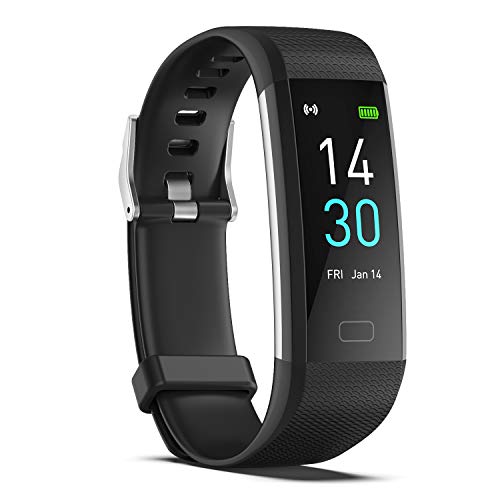
- Tracks steps, distance, calories, and 16 sports modes
- Slim, lightweight design with sleep and wellness monitoring
- Connected GPS and up to 5–7 days of battery life
Best For: Walkers wanting a lightweight everyday activity band
Best Feature Set

- 112 sports modes with detailed walking metrics
- Two bands, 200+ watch faces, and practical smart tools
- Up to 7-day battery with smartphone-connected GPS
Best For: Walkers seeking broad activity tracking and customization
Best Simple Option

- Basic tracking does not require an app or phone
- Measures steps, distance, calories, and active time
- Nine sport modes with 5–7 days of battery life
Best For: Walkers prioritizing simple, phone-free basic tracking
Best Overall Value

- 25 sports modes with automatic step and calorie tracking
- Heart rate, sleep, and blood-oxygen monitoring
- IP68 water resistance with extended battery life
Best For: Walkers seeking broad everyday tracking and smart features
Best for Activity Variety
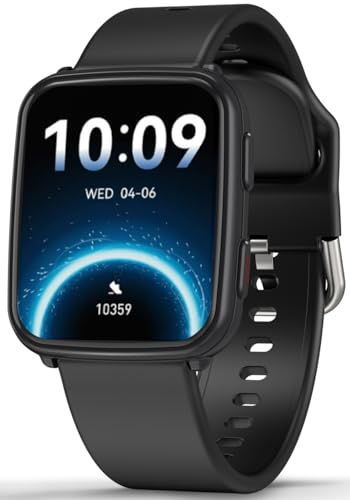
- 120-plus sport modes, including walking
- Real-time steps, distance, calories, and training time
- Women’s health tracking and extensive smart tools
Best For: Active users tracking walking alongside many other workouts
Best Display for Walking

- 1.10-inch AMOLED touchscreen with custom watch faces
- 25 sports modes with walking metrics
- Connected GPS records routes through a phone
Best For: Walkers wanting a vivid screen and phone-linked route tracking
Best Everyday Basics – C68L Fitness Tracker
If you want fitness trackers for walking that also cover essential wellness metrics, the C68L provides step, distance, calorie, heart-rate, and blood-oxygen tracking in a slim wrist-worn design. Its companion KuPoo app adds historical data, while message notifications and reminders make it useful beyond walks.
Best For: Walkers who want basic activity tracking, sleep insights, notifications, and a choice of black or white bands.
Pros:
- Tracks steps, calories, exercise distance, and exercise time.
- Monitors heart rate, blood oxygen, and sleep stages through the KuPoo app.
- Offers IP68 water resistance for everyday wear and a battery rated for up to five days.
- Includes call and message notifications, water reminders, and sedentary reminders.
Cons:
- Requires a compatible smartphone or tablet for app-based data viewing.
- Its 0.96-inch display is relatively small.
- The notes advise against prolonged soaking, hot baths, and saunas.
The C68L is a practical choice when walking metrics are the priority but you also want lightweight smartwatch-style conveniences. The app requirement and modest battery life are worth considering before buying.
Best Established Brand – Fitbit Inspire 3
The Fitbit Inspire 3 is a polished option among fitness trackers for walking, combining all-day activity tracking with automatic exercise detection and a broad set of health and sleep features. It also works with both supported Apple and Android devices.
Best For: Walkers who want a lightweight, established tracker with detailed wellness tools, exercise modes, and long battery life.
Pros:
- Provides all-day activity tracking, 24/7 heart rate monitoring, and automatic exercise tracking.
- Includes more than 40 exercise modes, Active Zone Minutes, and reminders to move.
- Offers sleep scores, smart wake alarms, stress tools, and SpO2 tracking.
- Battery life is rated for up to 10 days, and water resistance is listed to 50 meters.
Cons:
- GPS is provided through a smartphone rather than built into the tracker.
- Requires Apple iOS 16.4 or higher or Android 11.0 or higher.
- The detailed feature set may be more than needed for simple step counting.
Choose the Inspire 3 if you want walking support within a broader health and wellness ecosystem. Its strongest practical advantages are automatic tracking, extensive metrics, and up to 10 days of battery life, while phone-connected GPS is its main limitation.
Best Display and Sports Variety – C60 AMOLED Tracker
For shoppers comparing fitness trackers for walking, the C60 stands out with a 1.10-inch AMOLED color touchscreen and 25 sports modes. It records steps, calories, distance, workout time, and heart rate, while the Keep Health app provides access to more detailed activity data.
Best For: Walkers who prefer a brighter, larger touchscreen and want to track multiple sports alongside daily activity.
Pros:
- Uses a 1.10-inch AMOLED HD color touchscreen with customizable watch faces.
- Tracks steps, calories, distance, workout time, and heart rate across 25 sports modes.
- Offers call and message reminders, stopwatch, alarms, water reminders, and sedentary reminders.
- Lists 10–14 days of regular use and 5 ATM water resistance.
Cons:
- Detailed activity data is viewed through the Keep Health app.
- The supplied notes do not specify built-in GPS.
- Several health readings, including blood pressure and body temperature, should be treated as wellness information rather than medical measurements.
The C60 is a good fit if screen readability and sport selection matter as much as walking metrics. Its longer stated endurance and broad smart-function list add convenience, but buyers wanting standalone GPS will need to look elsewhere based on the supplied specifications.
Best No-Phone Simplicity – Senior-Friendly Pedometer Watch
This senior-friendly pedometer watch takes a simpler approach to fitness trackers for walking: it does not require an app or phone connection for its core use. A large 1.4-inch color display shows walking-related data, while the watch also provides heart-rate, manual blood-oxygen, sleep, and activity tracking.
Best For: Seniors and other users who want a straightforward step-counting watch without smartphone setup.
Pros:
- Works without an app or smartphone connection.
- Tracks steps, calories, distance, activity time, and sleep data.
- Uses a large 1.4-inch color touchscreen designed for easier operation.
- Offers magnetic charging, up to seven days of battery life, and IP68 water resistance.
Cons:
- The notes do not identify a companion app for syncing or long-term data analysis.
- Blood oxygen measurement is performed manually rather than continuously.
- Its feature set is more basic than trackers built around a full smartphone ecosystem.
The main appeal is independence: users can put it on and view essential walking data without managing an app. It is a sensible pick for simplicity, though those wanting extensive history, automatic syncing, or advanced training tools may prefer a connected tracker.
Best Slim Pick – Everyday Walking Tracker
If you want fitness trackers for walking with a slim, lightweight design, this ENGERWALL model covers the essentials. It tracks steps, distance, calories, exercise time, and several wellness metrics, while connected GPS can record routes through the Runmefit app.
Best For: Walkers who want a lightweight tracker with activity, sleep, notification, and connected-GPS features.
Pros:
- Tracks steps, distance, calories, exercise time, and 16 sports modes.
- Offers sleep tracking plus heart rate, blood oxygen, body temperature, and blood pressure readings for general wellness reference.
- IP68 protection, call and message notifications, reminders, and up to 5–7 days of battery life.
- Slim band fits wrists from 4.7 to 8.2 inches and charges through a built-in USB connector.
Cons:
- Connected GPS depends on smartphone app positioning.
- Blood pressure tracking must be enabled in the Runmefit app.
- Although IP68-rated, it should not be used for prolonged soaking, hot baths, or saunas.
This is a practical choice for everyday walking when you want core activity tracking in a discreet band. Its app-dependent GPS and wellness features make it better suited to general fitness tracking than standalone route navigation.
Best Feature Set – MorePro Walking Fitness Watch
For shoppers comparing fitness trackers for walking, the MorePro stands out for its broad activity selection and practical smartwatch tools. It records walking distance, steps, calories, speed, and duration, and syncs activity and sleep data with the FitCloudPro app.
Best For: Walkers who want many sports modes, customizable watch faces, interchangeable bands, and detailed app-based activity insights.
Pros:
- Includes 112 sports modes and tracks steps, distance, calories, speed, and workout duration.
- Provides continuous heart rate, blood pressure, blood oxygen, and sleep monitoring for general wellness reference.
- Includes two bands, more than 200 watch faces, call and notification alerts, and useful reminders.
- Offers up to 7 days of battery life and IP68 water resistance for everyday exposure.
Cons:
- GPS is provided through a smartphone rather than built in.
- It is not recommended for swimming, diving, or showering.
- It cannot make or answer calls and is not compatible with iPads, tablets, or PCs.
The MorePro is a strong all-around option if you value feature variety and app-based progress tracking. Its smartphone-dependent GPS and device limitations are worth considering before buying.
Best Simple Option – No-App Walking Pedometer
This LIVIKEY tracker is a straightforward choice among fitness trackers for walking, especially if you prefer not to rely on an app or phone for basic use. It records steps, calories, walking distance, and active time, while also offering heart rate and sleep monitoring.
Best For: Walkers who want simple on-watch tracking with no app or phone required for basic operation.
Pros:
- Basic fitness tracking works without an app or smartphone connection.
- Records steps, calories, walking distance, active time, and nine sport modes.
- Provides automatic heart rate and sleep monitoring, plus alarms, a stopwatch, breathing guidance, and sedentary alerts.
- Offers IP68 water resistance and 5–7 days of use after charging for about two hours.
Cons:
- It has no GPS, so it cannot independently record walking routes.
- Notifications require a compatible smartphone connection, and the watch cannot make calls or send texts.
- It is not compatible with tablets or computers.
Choose this model if ease of use matters more than advanced connected features. It delivers the core walking metrics directly on the watch, while its lack of GPS limits route-focused training.
Best Overall Value – USMECBL Fitness Tracker
For shoppers comparing fitness trackers for walking, the USMECBL offers core step, distance, and calorie tracking alongside broad activity support. Its lightweight design, large 1.47-inch OLED display, and long stated battery life make it practical for everyday wear.
Best For: Walkers who want health monitoring, notifications, and extended battery life in one affordable tracker.
Pros:
- Automatically tracks steps, distance, and calories, with 25 sports modes.
- Provides heart-rate, sleep-stage, and blood-oxygen monitoring.
- IP68 waterproof design and a lightweight band suit daily and overnight wear.
- Works with iOS and Android and offers up to 7 days of continuous use, with longer standby time.
Cons:
- No built-in GPS; route tracking requires a connected phone.
- The notes give varying battery figures, so actual runtime may depend on usage.
- Health readings are not described as medical measurements.
This is a well-rounded choice for walking routines when you value basic progress tracking, wellness trends, and smart conveniences more than standalone GPS navigation.
Best for Activity Variety – MorePro Fitness Tracker
Among fitness trackers for walking, the MorePro stands out for its unusually broad activity selection. It combines walking and step tracking with 120-plus sport modes, health trends, reminders, and phone notifications for a feature-rich daily companion.
Best For: Active users who want walking metrics plus extensive workout modes and women’s health features.
Pros:
- Supports more than 120 sport modes, including walking and running.
- Tracks steps, distance, calories, heart rate, and training time in real time.
- Includes sleep tracking, blood-oxygen checks, and 24/7 heart-rate monitoring.
- Offers women’s health tracking, smart notifications, reminders, and over 200 watch faces.
Cons:
- Blood pressure and other health information is intended for reference, not medical use.
- It is not compatible with PCs or tablets.
- The supplied details do not specify built-in GPS.
The MorePro is a strong fit if walking is only one part of your routine. Its large mode library and lifestyle tools add flexibility, while IP68 protection and up to 7 days of normal-use battery life support regular wear.
Best Display for Walking – AMOLED Step Tracker
If you want fitness trackers for walking with an easy-to-read screen, this model pairs a 1.10-inch AMOLED display with dedicated step and activity features. It tracks walking metrics, connected-GPS routes, sleep, and notifications while remaining suitable for everyday wear.
Best For: Walkers who prioritize a vivid display, goal setting, and phone-connected route tracking.
Pros:
- AMOLED touchscreen makes calls, messages, and reminders clear.
- Its 25 sports modes include steps, calories, distance, heart rate, and exercise time.
- Connected GPS can record workout routes when paired with a phone.
- Includes sleep tracking, hydration and sedentary reminders, and up to 7 days of battery life.
Cons:
- GPS is connected rather than built into the tracker, so a phone is needed for routes.
- It has no warranty according to the supplied details.
- Sleep and health readings are for reference and do not replace medical advice.
This tracker makes sense for walkers who appreciate a bright AMOLED screen and helpful routine reminders. Choose it over a simpler band if connected route recording and display visibility are priorities.
How We Picked the Best Fitness Trackers for Walking
We focused on the features that matter most for walking: dependable step counting, readable displays, comfortable designs, useful distance and calorie estimates, and straightforward setup. We also considered whether each tracker requires a smartphone app, how much health data it provides, and whether it offers practical extras such as sleep tracking, heart-rate monitoring, water resistance, or long-term activity records.
Because the products vary widely, this list includes both basic pedometers and more advanced fitness bands. A simple device may be the better choice if you only want steps, while a connected tracker can provide more detailed trends and notifications.
Quick Comparison
| Type | Best For | Typical Features | Phone Required? |
|---|---|---|---|
| Basic pedometer | Simple step tracking | Steps, distance, calories, stopwatch | Often no |
| App-free fitness watch | Seniors or users wanting simplicity | Steps, time, basic activity data | No |
| Entry-level fitness band | Everyday walking and wellness | Steps, sleep, heart rate, calories | Usually optional for basic use |
| Advanced smart band | Detailed health and activity tracking | Heart rate, blood oxygen, sleep, notifications | Usually recommended |
Key Buying Factors for Fitness Trackers for Walking
Step and Distance Accuracy
Look for a tracker that records steps consistently during ordinary walking, errands, and longer walks. Distance estimates are generally more useful when the device can use GPS through a phone, but a pedometer can still provide a practical approximation from stride length and step count.
Display and Controls
A bright OLED or AMOLED screen is easier to read outdoors and can show more information at once. Larger text, physical buttons, and simple menus may matter more than a sleek design for users with limited vision or dexterity.
Phone and App Requirements
Check whether the tracker can show daily totals without an app and whether setup requires a smartphone. App-free models are convenient for straightforward tracking, while connected devices are better for reviewing weekly trends, changing settings, and storing longer-term data.
Health Features
Heart-rate, sleep, and blood-oxygen readings can make a tracker more useful, but they should be treated as wellness information rather than medical measurements. Be especially cautious with blood-pressure features and do not use them to replace a validated monitor or professional advice.
Comfort, Battery, and Water Resistance
A lightweight band is more likely to be worn consistently. Compare stated battery life, charging method, band sizing, and water resistance before buying. Water resistance does not always mean the device is suitable for swimming or showering.
Who Should Buy Which Fitness Trackers for Walking?
- Choose a basic pedometer if you want steps, distance, and calories with minimal setup.
- Choose an app-free watch if you prefer a larger display and do not want to use a phone.
- Choose an entry-level fitness band if you want walking metrics plus sleep and heart-rate tracking.
- Choose a feature-rich smart band if you want OLED or AMOLED display quality, broader wellness data, and app-based history.
- Choose a senior-friendly model if clear controls, readable numbers, and independence matter more than advanced connected features.
For most walkers, the best option is the tracker you will wear every day. Prioritize readability, comfort, and dependable step tracking before paying extra for features you may not use.