The best fitness trackers with heart rate monitoring make it easier to understand exercise intensity, daily activity, sleep, and recovery without relying on guesswork. This roundup includes simple step-counting bands, feature-rich smartwatches, a dedicated chest strap, and coaching-focused wearables.
Use the guide below to compare sensor capabilities, battery expectations, comfort, app requirements, and subscription costs before choosing the tracker that fits your routine.
Best 10 Fitness Trackers with Heart Rate Picks for 2026
Best Long-Battery Pick

- 21-day battery life
- Bright 1.72-inch AMOLED display
- Heart rate, sleep, and sport tracking
Best For: Everyday fitness and swimming
Best GPS Fitness Tracker

- Built-in GPS and 40+ exercise modes
- 24/7 heart-rate and sleep tracking
- Google Maps, Wallet, and Music features
Best For: Runs, rides, and connected workouts
Best Chest-Strap Accuracy

- Highly accurate chest-strap readings
- Bluetooth, ANT+, and 5 kHz connectivity
- Waterproof with up to 400-hour battery life
Best For: Structured training and precise workout heart rate
Best Slim Wellness Tracker

- Up to 10-day battery life
- 24/7 heart-rate and sleep tracking
- 40+ exercise modes with phone-based GPS
Best For: Everyday wellness and sleep tracking
Feature-Rich Pick
MorePro 24/7 Health Fitness Tracker
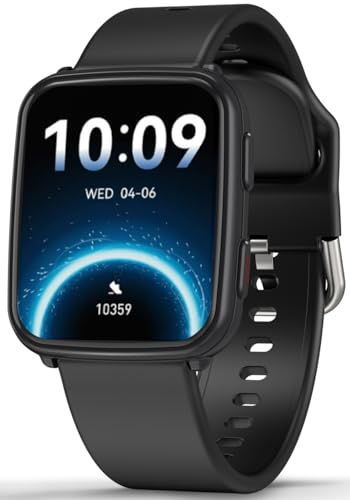
- Continuous heart rate, blood pressure, and oxygen tracking
- 120+ sport modes with sleep and cycle tracking
- Up to 7-day battery and IP68 water resistance
Best For: Everyday wellness and workout tracking with broad smart features
Coaching Pick

- Continuous heart rate, HRV, sleep, and stress monitoring
- AI coaching based on 140+ health and fitness metrics
- 14+ day battery with wrist-based charging
Best For: Training recovery, sleep analysis, and personalized coaching
Practical Value Pick
MorePro Heart Rate Fitness Watch

- Heart rate alerts with blood pressure and oxygen tracking
- 112 sports modes and FitCloudPro sleep reports
- Two bands, 200+ watch faces, and up to 7-day battery
Best For: Essential activity tracking and notifications on a budget
Simple Heart-Rate Tracking

- Works for basic tracking without an app or phone
- Monitors heart rate, sleep, and daily activity
- Nine sport modes with IP68 water resistance
Best For: Users seeking straightforward tracking without smartphone setup
Comprehensive Health Metrics

- 24/7 heart-rate, blood oxygen, and blood pressure monitoring
- More than 120 exercise modes and activity tracking
- 1.58-inch display with up to seven days of battery life
Best For: Users wanting extensive health and workout features
Everyday Wellness Tracking

- 24/7 heart-rate and sleep tracking
- 25 sports modes with connected GPS
- AMOLED display, IP68 resistance, and up to seven days of battery
Best For: Daily wellness tracking and compact workout monitoring
Best Long-Battery Pick – Xiaomi Smart Band 10
The Xiaomi Smart Band 10 is a practical choice among fitness trackers with heart rate for users who want a bright, easy-to-read display and minimal charging. It combines heart-rate, sleep, blood-oxygen, and activity tracking with support for multiple sports.
Best For: Everyday fitness tracking, swimming sessions, and users who prioritize long battery life.
Pros:
- Up to 21 days of battery life and one-hour full charging time.
- Large 1.72-inch AMOLED display with up to 1500 nits HBM brightness.
- Tracks heart rate, sleep, blood oxygen, and multiple sports, with 5ATM water resistance.
- Enhanced sleep monitoring and a compass designed to support swimming-direction tracking.
Cons:
- No built-in GPS; the product notes indicate GPS support but list GPS geotagging as unavailable.
- The Xiaomi Fit app supports the metric system; imperial measurements require a third-party connection through Google Fit.
The Smart Band 10 stands out for its unusually long runtime and highly visible screen. It is a strong fit for routine tracking, though runners who need independent route tracking may prefer a device with built-in GPS.
Best GPS Fitness Tracker – Fitbit Charge 6
The Fitbit Charge 6 is a versatile option among fitness trackers with heart rate, pairing 24/7 heart-rate monitoring with built-in GPS, exercise modes, sleep insights, and Google features. It is designed for people who want a compact tracker that can support both daily wellness and outdoor workouts.
Best For: Runners, cyclists, and users who want built-in GPS plus broad health and activity tracking.
Pros:
- Built-in GPS and more than 40 exercise modes.
- Provides 24/7 heart-rate tracking, Active Zone Minutes, calories, and Daily Readiness metrics.
- Offers sleep scoring, stress management scoring, automatic exercise tracking, and Smart Wake.
- Supports Google Maps turn-by-turn directions, Google Wallet, and YouTube Music controls.
Cons:
- Battery life is rated at up to seven days, shorter than some simpler trackers.
- Some coaching features require a separately sold Google Health Premium subscription after the included trial.
Charge 6 is a well-rounded choice when GPS and connected features matter as much as heart-rate tracking. Its shorter battery life and subscription-linked extras are the main trade-offs.
Best Chest-Strap Accuracy – Polar H10 Heart Rate Sensor
The Polar H10 takes a different approach to fitness trackers with heart rate: it is a chest-strap sensor built for highly accurate readings rather than a wrist-based display. Bluetooth, ANT+, and 5 kHz connectivity make it suitable for compatible training equipment and apps.
Best For: Athletes and serious exercisers who prioritize accurate heart-rate data during training.
Pros:
- Polar describes it as the company’s most accurate heart-rate sensor.
- Supports Bluetooth, ANT+, and 5 kHz connections, including simultaneous Bluetooth and ANT+ use.
- Waterproof design with internal memory for multiple hours of data.
- Rechargeable? No; the included CR2025 battery provides up to 400 hours of use.
Cons:
- It is a chest strap, not a standalone wrist tracker with a display.
- Requires compatible equipment, apps, or devices to view and use the readings.
- The supplied information specifies a CR2025 button-cell battery rather than rechargeable power.
For dependable workout heart-rate measurements, the H10 is the specialist option in this group. Choose it when sensor accuracy and broad connectivity matter more than onboard activity or sleep features.
Best Slim Wellness Tracker – Fitbit Inspire 3
The Fitbit Inspire 3 is a slim, approachable pick among fitness trackers with heart rate for users who want daily activity and wellness insights without built-in GPS. It tracks heart rate, sleep, stress, blood oxygen, and exercise while offering up to 10 days of battery life.
Best For: Everyday wellness, sleep tracking, and users who prefer a lightweight tracker with smartphone-connected GPS.
Pros:
- Up to 10 days of battery life.
- Tracks 24/7 heart rate, Daily Readiness, Active Zone Minutes, sleep, stress, and blood oxygen.
- Includes more than 40 exercise modes and automatic exercise tracking.
- Includes small and large bands and supports both iOS and Android devices meeting the listed requirements.
Cons:
- GPS is provided via a smartphone rather than built into the tracker.
- The compact 0.76-inch display is smaller than the screens on many smartwatch-style devices.
- Some health features, including irregular heart rhythm notifications and menstrual health tracking, may not suit every user or situation.
Inspire 3 is a sensible low-maintenance option for everyday movement, sleep, and wellness monitoring. It keeps the feature set focused, but outdoor athletes will need to carry a compatible phone for GPS.
Feature-Rich Pick – MorePro 24/7 Health Fitness Tracker
For shoppers comparing fitness trackers with heart rate monitoring, this MorePro model combines continuous heart rate tracking with blood pressure and on-demand blood oxygen checks. Its 120+ sport modes, sleep tracking, cycle tracking, notifications, and up-to-7-day battery make it a versatile everyday option.
Best For: Users who want broad wellness, workout, and smart-notification features in one affordable tracker.
Pros:
- Tracks heart rate continuously and includes blood pressure and blood oxygen monitoring.
- Offers 120+ sport modes plus steps, distance, calories, and training-time tracking.
- Includes sleep tracking, menstrual cycle tools, notifications, 200+ watch faces, and IP68 water resistance.
- Battery lasts up to 7 days with normal use.
Cons:
- Health readings are for general wellness and are not intended for medical use.
- Compatibility is limited to Android 7.0+ and iOS 13.0+ smartphones; it does not work with PCs or tablets.
This is a strong all-around choice if you want heart-rate tracking alongside extensive activity modes and lifestyle tools, though users seeking clinical-grade measurements should look elsewhere.
Coaching Pick – WHOOP 5.0 Recovery Tracker
WHOOP 5.0 takes a coaching-focused approach to fitness trackers with heart rate monitoring. The screenless wearable continuously tracks heart rate, HRV, sleep, recovery, stress, blood oxygen, respiratory rate, and skin temperature, then uses app-based insights to guide training and rest.
Best For: Athletes and data-focused users who want personalized recovery, sleep, and training guidance.
Pros:
- Tracks live heart rate and HRV with the Health Monitor, alongside several other wellness metrics.
- WHOOP AI turns 140+ health and fitness metrics into personalized coaching insights.
- Detailed sleep, recovery, stress, menstrual-cycle, and hormonal-health features are included.
- Offers 14+ days of battery life and charging with the waterproof Wireless PowerPack.
Cons:
- Requires the included 12-month WHOOP Peak membership to use the package.
- The screenless design may not suit shoppers who want an on-device display or smartwatch controls.
WHOOP is best viewed as a continuous health and recovery platform rather than a traditional smartwatch. Its strongest advantage is the depth of its app-based coaching and trend analysis.
Practical Value Pick – MorePro Heart Rate Fitness Watch
This MorePro watch is a practical option among fitness trackers with heart rate monitoring, adding continuous heart rate alerts, blood pressure and blood oxygen tracking, and sleep reports through the FitCloudPro app. It also covers everyday workouts with 112 sports modes and includes two interchangeable bands.
Best For: Budget-conscious users who want essential health tracking, workout modes, and phone notifications.
Pros:
- Provides continuous heart rate monitoring with high-heart-rate alerts, plus blood pressure and oxygen tracking.
- Includes 112 sports modes and records steps, distance, calories, speed, and workout duration.
- Offers sleep reports, call and app notifications, reminders, weather, and find-phone tools.
- Includes silicone and nylon bands, 200+ watch faces, and up to 7-day battery life.
Cons:
- It can show call alerts but does not support making or answering calls.
- Although rated IP68 water-resistant, it is not recommended for swimming, diving, or showering.
- GPS works through a connected smartphone, and the tracker is not compatible with iPads, tablets, or PCs.
Choose this model when you want a straightforward fitness watch with heart-rate alerts and useful daily tools. Its limitations around calling, GPS, and water use are worth considering before purchase.
Simple Heart-Rate Tracking – No-App Fitness Watch
If you want fitness trackers with heart rate features without relying on a phone, this watch offers a straightforward option. It automatically monitors heart rate and sleep, tracks daily activity, and supports nine sport modes. The watch can also display notifications when connected to a compatible smartphone.
Best For: Shoppers who want simple heart-rate and activity tracking with the option to use the watch without an app or phone.
Pros:
- Does not require an app or smartphone for basic use.
- Tracks heart rate, sleep, steps, calories, distance, and active time.
- Offers nine sport modes and up to 5–7 days of use after charging.
- IP68 waterproof rating suits sweat, hand washing, and rainy conditions.
Cons:
- It cannot make calls or send texts.
- GPS functionality is provided through a smartphone.
- Notifications and additional settings require a compatible phone connection.
This is a practical pick for users who prefer a less complicated tracker. Its core activity and heart-rate features work independently, while smartphone connectivity adds notifications and optional goal-setting.
Comprehensive Health Metrics – 120-Sport Smart Watch
For shoppers comparing fitness trackers with heart rate monitoring and broader health features, this smart watch combines 24/7 heart-rate tracking with blood oxygen, blood pressure, and sleep monitoring. Its 1.58-inch display, touch controls, and more than 120 exercise modes make it suited to users who want extensive workout and notification features.
Best For: Active users who want numerous exercise modes, continuous health metrics, and phone notifications on a larger smartwatch display.
Pros:
- Provides 24/7 heart-rate, blood oxygen, and blood pressure monitoring.
- Includes more than 120 exercise modes and all-day step, distance, and calorie tracking.
- Tracks light and deep sleep along with wake times.
- Offers a 1.58-inch display, incoming call and message notifications, and up to seven days of battery life.
Cons:
- Requires a compatible smartphone for app-based records and connected features.
- The supplied notes do not specify supported software update details.
This model stands out for feature breadth rather than minimalism. It is a strong fit if you value a large display and many workout profiles, but buyers should remember that its connected health records depend on smartphone compatibility.
Everyday Wellness Tracking – AMOLED Heart-Rate Monitor
This fitness tracker with heart rate monitoring balances everyday wellness features with a compact 1.10-inch AMOLED screen. It provides continuous heart-rate tracking, sleep analysis, 25 sports modes, connected GPS, and reminders for hydration and inactivity, making it a versatile choice for routine activity and workouts.
Best For: Users who want a compact AMOLED tracker with sleep insights, guided activity goals, and practical daily reminders.
Pros:
- Provides 24/7 heart-rate tracking and records activity metrics such as steps, calories, distance, and exercise time.
- Offers sleep-stage tracking and app-based review of sleep duration and quality.
- Includes 25 sports modes and connected GPS for recording workout routes.
- Features IP68 water resistance, notifications, and up to seven days of battery life.
Cons:
- Connected GPS requires a smartphone.
- Sleep data is for reference and does not replace medical advice.
- The supplied listing states that it has no warranty.
With its AMOLED display and useful wellness reminders, this tracker is designed for consistent daily use. It offers a good middle ground for shoppers who want more than step counting without moving to a larger, feature-heavy smartwatch.
How We Picked These Fitness Trackers with Heart Rate Monitoring
We selected products across several use cases and budgets rather than treating every tracker as interchangeable. The comparison considers heart-rate tracking, exercise modes, sleep features, battery life, water resistance, display design, phone and app dependence, comfort, and overall value. We also included the Polar H10 for shoppers who prioritize workout heart-rate accuracy and the WHOOP 5.0/MG for those interested in recovery insights and personalized coaching.
Wrist-based readings can be useful for everyday trends, but no consumer wearable should be treated as a medical diagnostic device. Blood pressure and blood oxygen features may be estimates, and unusual readings should be discussed with a qualified healthcare professional.
Quick Comparison
| Best For | Recommended Type | What to Prioritize |
|---|---|---|
| Everyday activity and sleep | Fitness band | Comfort, battery life, reliable app syncing |
| Training heart-rate accuracy | Chest strap | Sensor fit, ANT+ and Bluetooth support, waterproofing |
| Built-in exercise and smartwatch features | Advanced tracker or smartwatch | GPS, screen quality, notifications, workout modes |
| Recovery and coaching | Membership-based wearable | Subscription cost, analytics, coaching quality |
| Simple tracking without a phone | Standalone tracker | On-device display, storage, setup, and charging |
Key Buying Factors for Fitness Trackers with Heart Rate
Heart-Rate Sensor Design
Optical wrist sensors are convenient for continuous monitoring and daily trends. A chest strap generally provides a more responsive signal during intervals, cycling, and strength workouts, provided it fits securely and remains properly connected. Look for Bluetooth or ANT+ compatibility if you plan to pair the tracker with gym equipment, a cycling computer, or a training app.
Battery Life and Charging
Longer battery life reduces interruptions and makes overnight sleep tracking more practical. Check whether advertised endurance assumes limited notifications, reduced screen use, or disabled features. Always consider charging time and whether the proprietary cable is easy to replace.
App, Phone, and Subscription Requirements
Some devices need a phone app for setup, detailed reports, GPS data, or historical trends. Others provide more information directly on the display. Membership-based products can offer deeper recovery analysis, but calculate the first-year and ongoing cost before buying.
Comfort, Fit, and Water Resistance
A tracker only helps when you wear it consistently. Compare band sizes, clasp security, sensor contact, and weight. Water resistance is useful for sweat and swimming, but verify the stated rating and avoid assuming that every model is suitable for diving or hot tubs.
Who Should Buy Which Fitness Trackers with Heart Rate?
Choose a Xiaomi Mi Smart Band 10 or Fitbit Inspire 3 if you want a lightweight, approachable tracker for steps, sleep, and everyday heart-rate trends. The Fitbit Charge 6 is a stronger choice for shoppers who want a broader mix of fitness features, smart functions, and established app support.
Pick the Polar H10 if workout heart-rate accuracy and compatibility with training equipment matter more than having a screen. Consider WHOOP 5.0/MG if recovery, sleep analysis, and coaching justify an ongoing membership. The MorePro models and other budget-oriented watches may suit buyers who want many headline features at a lower upfront price, but review app quality and measurement limitations carefully.
Finally, choose a no-phone tracker only when on-device simplicity is your priority. Before checkout, confirm band size, return terms, phone compatibility, water-resistance claims, and whether the features you care about require an app or paid service.