Training hard is only part of the equation. The right recovery gear can help reduce post-workout tightness, support mobility, and make it easier to stay consistent.
Below, we break down the best options for athletes who want practical, effective recovery without wasting money on tools they won’t use.
Best 10 Recovery Tools for Athletes Picks for 2026
Multi-Density Recovery Roller
TriggerPoint Grid 1.0 Foam Roller

- Extra-firm GRID surface for targeted rolling
- Helps promote blood flow and tissue aeration
- Durable EVA foam holds shape through repeated use
Best For: Athletes seeking a firm, durable foam roller for muscle recovery
Stretching Strap Essential
OPTP Original Stretch Out Strap

- Non-elastic strap with 10 adjustable loops
- Includes exercise booklet and video guide
- Useful for flexibility, mobility, and recovery work
Best For: Athletes needing a versatile strap for stretching and mobility
Portable Deep Tissue Tool

- 9 rollers deliver targeted deep compression
- Portable for legs, back, and post-workout soreness
- Lightweight and built with multiple material-free claims
Best For: Athletes wanting a portable manual tool for spot recovery
Electronic Pain Relief Unit
AUVON Dual Channel TENS Machine

- 20 modes for adjustable muscle stimulation
- Dual channels let you treat two areas independently
- Includes multiple pad sizes for small and large areas
Best For: Athletes seeking adjustable electronic pain relief and recovery support
Fascia Targeting Roller
Deep Tissue Fascia Blaster for Recovery

- Targets trigger points with deep pressure.
- Supports fascia care and relaxation.
- Helps encourage circulation and lymphatic drainage.
Best For: Athletes wanting a handheld deep-tissue roller for tight muscles and fascia work.
Precision Limb Roller
Arm & Leg Massage Tool for Faster Recovery
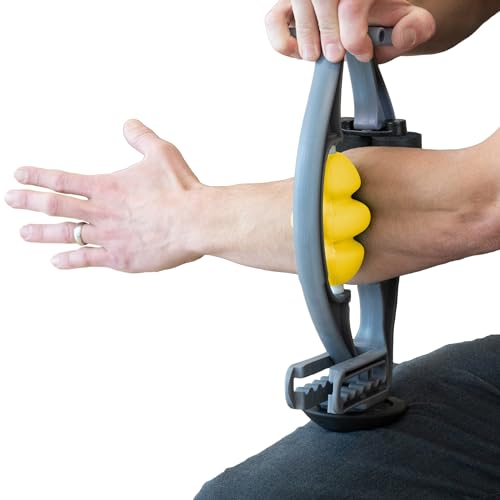
- Targets forearms, wrists, calves, legs, and feet.
- Compact and portable for gym or travel use.
- Manual squeeze control for precise pressure.
Best For: Athletes needing targeted relief for smaller muscle groups and repetitive strain areas.
Wearable Light Recovery Wrap
Red Light Therapy for Mobility Support

- Combines 660nm red light and 808nm infrared light.
- Wearable, hands-free design for targeted use.
- Short 5–15 minute sessions fit daily recovery.
Best For: Athletes seeking portable light therapy for joints, stiffness, and mobility support.
Deep Tissue Recovery Pick
Massage Lacrosse Balls for Myofascial Release

- 2-pack firm rubber balls for trigger point work
- Portable for home, gym, office, or travel
- Targets neck, back, legs, feet, and shoulders
Best For: Portable point-specific relief for tight muscles and sore spots
All-in-One Recovery Kit
Foam Roller Set with Strap, Balls, and Stick

- Includes roller, stick, balls, strap, bag, and guide
- High-density build supports heavy use and keeps shape
- Good for warm-ups, cool-downs, and mobility work
Best For: Athletes who want a complete recovery kit for rolling and stretching
Simple Trigger Point Choice
Kieba Massage Lacrosse Balls, Set of 2
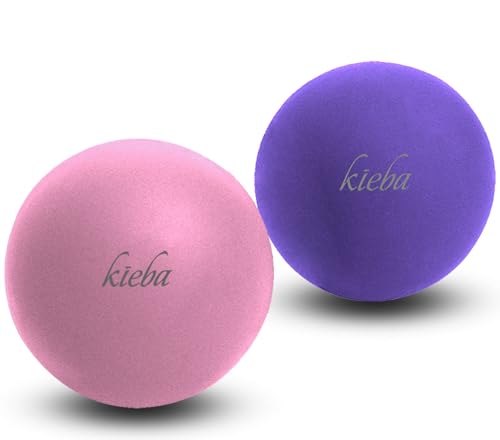
- Firm solid rubber balls for trigger point therapy
- Compact and portable for travel or gym use
- Good for self-myofascial release on sore muscles
Best For: Quick, portable trigger point relief with a durable firm ball set
Multi-Density Recovery Roller – TriggerPoint Grid 1.0 Foam Roller
If you want a straightforward recovery tool for athletes, this TriggerPoint foam roller is built for deep-tissue work on tight, sore muscles. Its multi-density GRID surface is designed to promote tissue aeration and blood flow while giving you a firmer, more targeted rolling feel than a basic foam cylinder.
Best For: Athletes who want a durable, extra-firm roller for frequent full-body recovery sessions.
Pros:
- Three-dimensional GRID surface helps target key body parts with a massage-like feel.
- Extra-firm EVA-foam-wrapped hollow core delivers deeper compression for knots and kinks.
- Durable construction is built to hold its shape through repeated use.
- Suitable for both tight, sore muscles and softer tissue.
Cons:
- Extra-firm feel may be intense for users who prefer gentler rolling.
- Shorter 13-inch size may feel less expansive for some full-back work.
For athletes who prioritize effective muscle recovery over a softer massage experience, this roller offers a practical, long-lasting option. Its textured design and firm build make it a strong pick for regular post-workout use.
Stretching Strap Essential – OPTP Original Stretch Out Strap
Among recovery tools for athletes, a stretching strap is one of the simplest ways to improve flexibility and mobility work at home or after training. This OPTP strap uses ten durable loops and a non-elastic design, making it a controlled option for stretching, warm-ups, cool-downs, and physical therapy routines.
Best For: Athletes who want a versatile stretching strap for flexibility, mobility, and rehab-style exercises.
Pros:
- Non-elastic woven nylon strap supports controlled stretching and mobility exercises.
- Ten loops make it easier to adjust positions for different body parts.
- Includes a 40-page exercise booklet and video stretching guide.
- Recommended by physical therapists and athletic trainers, with a long track record.
Cons:
- It is a manual stretching aid, not a hands-free recovery device.
- Best results depend on following the included guidance and proper technique.
If your recovery plan includes mobility work, this strap is a practical and durable way to build consistency. It is especially useful for athletes who want one simple tool for stretching, range-of-motion work, and pre- or post-training routines.
Portable Deep Tissue Tool – YANSYI 9-Roller Massage Stick
If you prefer a compact recovery tool for athletes, this massage stick is designed for targeted deep-tissue release. The 9 independently rotating rollers are meant to deliver concentrated compression to help break up muscle knots and fascia adhesions after workouts.
Best For: Athletes who want a portable massage tool for post-workout soreness and targeted leg or back relief.
Pros:
- 9 rotating rollers provide concentrated deep compression for targeted work.
- Portable design is easy to use on legs, back, and other sore areas.
- Lightweight at 11 ounces for convenient carry and recovery sessions.
- Latex-free, BPA-free, PVC-free, and other material-free claims support broad material sensitivity concerns.
Cons:
- Manual roller stick requires user effort and positioning.
- Designed for targeted areas rather than broad full-body coverage.
For athletes who want quick access to deep-tissue pressure without a larger device, this massage stick makes sense. Its portable format and focused roller design are best suited to spot treatment and on-the-go recovery.
Electronic Pain Relief Unit – AUVON Dual Channel TENS Machine
For athletes looking at recovery tools for athletes with an electronic option, this dual-channel TENS unit offers preset modes to help manage soreness and fatigue. It uses separate channel controls, so you can run different modes and intensities on two areas at the same time.
Best For: Athletes who want adjustable, targeted muscle stimulation for pain relief and recovery support.
Pros:
- Up to 20 preset modes including hammering, kneading, shiatsu, and tapping.
- Dual-channel control allows separate intensity and mode settings on each side.
- Includes multiple electrode pad sizes for small areas like knees or larger areas like the back.
- Rechargeable unit includes pads, lead wires, USB cable, pouch, and warranty support.
Cons:
- TENS units should not be used by people with pacemakers, epilepsy, or during pregnancy.
- Requires proper pad placement and attention to the user manual for safe use.
This is a flexible option if you want more than a manual roller or strap and prefer adjustable stimulation. The range of modes and pad sizes makes it a practical choice for addressing different sore areas after training or daily activity.
Fascia Targeting Roller – Deep Tissue Fascia Blaster for Recovery
If you’re comparing recovery tools for athletes, this handheld muscle roller stick is built for precise deep-tissue work on trigger points, tight fascia, and stubborn muscle tension. Its 18-inch design makes it a practical option for athletes who want targeted pressure without a bulky device.
Best For: Athletes and active users who want a handheld tool for deep tissue massage, fascia care, and targeted muscle relief.
Pros:
- Reaches deep into muscle trigger points for focused relief.
- Designed for fascia conditioning and loosening adhesions.
- Supports blood circulation and lymphatic drainage.
- Handheld, lightweight design is easy to use at home or after training.
Cons:
- Manual tool requires active pressure and technique.
- Best suited to targeted areas rather than full-body coverage.
Overall, this is a straightforward recovery tool for athletes who want direct control over massage pressure and a simple way to address tight spots after workouts.
Precision Limb Roller – Arm & Leg Massage Tool for Faster Recovery
For athletes looking at recovery tools for athletes, this portable roller is designed to target forearms, wrists, calves, legs, and feet with precise pressure. It’s meant to help with muscle tightness, trigger points, and soreness in smaller areas where a larger massager may not reach well.
Best For: Athletes who need a portable manual roller for forearms, calves, wrists, and other targeted problem areas.
Pros:
- Targets specific areas like forearms, wrists, calves, and feet.
- Compact, portable, and easy to use at home, the gym, or while traveling.
- Designed to support muscle recovery, flexibility, and circulation.
- Ergonomic squeeze-style control offers precise pressure.
Cons:
- Manual operation means no powered massage modes.
- Focused design is less useful for broad full-body recovery.
This is a solid pick if you want a simple, athlete-focused roller for repetitive strain areas and smaller muscle groups that need quick, targeted relief.
Wearable Light Recovery Wrap – Red Light Therapy for Mobility Support
Among recovery tools for athletes, this wearable red and infrared light wrap stands out for targeted support around joints and muscles. It combines 660nm red light and 808nm infrared light, and the hands-free design makes it easy to use while resting or moving around at home or in the gym.
Best For: Athletes who want a wearable, hands-free light therapy device for targeted recovery, stiffness, and mobility support.
Pros:
- Uses 660nm red light plus 808nm infrared light for targeted areas.
- Wearable, hands-free design works at home, in the gym, or on the go.
- Designed for joint and muscle support, stiffness, and flexibility.
- Quick sessions as short as 5–15 minutes make it easy to fit into recovery routines.
Cons:
- Requires wearing the wrap directly on the skin.
- Battery-powered setup adds charging and module management.
This is a modern option for athletes who prefer light-based recovery over manual massage and want a portable tool they can use consistently as part of a daily routine.
Deep Tissue Recovery Pick – Massage Lacrosse Balls for Myofascial Release
For athletes looking for simple recovery tools for athletes, this two-pack massage lacrosse ball set is a practical way to target tight spots after training. The firm rubber balls are made for self-myofascial release and trigger point work, so you can lean into sore areas and use your body weight to help ease muscle knots and tension.
Best For: Portable point-specific relief for feet, back, shoulders, neck, and other tight areas.
Pros:
- Firm 100% solid rubber construction for deep tissue pressure.
- Small, portable design works at home, in the office, at the gym, or while traveling.
- Useful for trigger point massage on the neck, back, legs, feet, and shoulders.
- Comes as a 2-pack for simple everyday recovery use.
Cons:
- Manual use only, so it depends on your own body weight and positioning.
- Very focused pressure may feel intense for users who prefer gentler recovery tools.
- Not designed for water use or machine-assisted massage.
This is a straightforward choice if you want a compact recovery tool that targets specific knots rather than broad-area massage. It is best suited to athletes who want quick, portable relief between workouts or after long training sessions.
All-in-One Recovery Kit – Foam Roller Set with Strap, Balls, and Stick
If you want recovery tools for athletes that cover more than one type of soreness, this foam roller set gives you a full self-massage kit. It combines a high-density foam roller, massage stick, balls, a stretching strap, and a guide, making it a flexible option for warm-ups, cool-downs, and post-workout muscle work.
Best For: Athletes who want a complete recovery kit for rolling, stretching, and muscle work.
Pros:
- Includes multiple tools: foam roller, massage stick, balls, stretching strap, bag, and guide.
- High-density construction is built to support up to 300 lbs and keep its shape.
- Useful for pre- and post-workout routines, physical therapy, yoga, and mobility work.
- Portable mesh bag helps keep the whole set organized and easy to carry.
Cons:
- Bulkier than a single-ball option, so it takes more storage space.
- Best for users who will use multiple tools; may feel like too much for very simple recovery needs.
- Manual kit requires learning how to use each piece effectively.
This set stands out if you want a versatile recovery setup rather than just one massage tool. It is a strong fit for athletes who stretch, roll, and warm up regularly and want one kit for a variety of body areas.
Simple Trigger Point Choice – Kieba Massage Lacrosse Balls, Set of 2
For athletes who want no-fuss recovery tools for athletes, these Kieba massage lacrosse balls offer a simple way to work on muscle knots and tension. The firm solid rubber design is made for self-myofascial release, and you can use your own body weight to apply pressure to sore areas whenever you need it.
Best For: Quick, portable trigger point relief with a durable firm ball set.
Pros:
- Firm 100% solid rubber construction supports targeted pressure work.
- Compact and portable for use at home, the office, the gym, or while traveling.
- Designed for myofascial release and trigger point massage on many body areas.
- Set of two gives you a simple spare or the option to use both.
Cons:
- Manual-only design means you must position and press into the ball yourself.
- Focused pressure may be too intense for users wanting a softer recovery option.
- Primarily a point-relief tool, not a broad-area massager.
This is a reliable pick if you want a compact tool that handles everyday tight spots without extra complexity. It works well for athletes who prefer a durable, portable ball for targeted recovery.
How We Picked the Best Recovery Tools for Athletes
We focused on Recovery Tools for Athletes that offer a clear use case, strong build quality, and broad appeal across different training styles. Preference went to tools that are easy to use, portable enough for regular sessions, and suited to common needs like muscle tightness, trigger-point work, mobility, and post-training soreness.
We also favored products with versatile designs, since athletes often want one tool that can handle multiple recovery tasks instead of a single-purpose accessory.
Quick Comparison
Foam rollers and massage sticks are best for larger muscle groups and general soreness. Stretch straps are ideal for mobility work and assisted stretching. TENS units and red light wraps take a more targeted approach, making them better for localized discomfort and recovery support. Massage balls are simple, compact, and effective for smaller areas like feet, glutes, shoulders, and the upper back.
Key Buying Factors for Recovery Tools for Athletes
Recovery Goal
Start with the problem you want to solve. If you need full-body soreness relief, choose rollers or a combo kit. If your biggest issue is tight hips, hamstrings, or shoulders, a strap and massage ball may be enough. For localized recovery, consider electrical stimulation or light-based tools.
Pressure and Intensity
Some athletes prefer firm, deep pressure, while others need a gentler option for sensitive areas. Dense foam rollers, massage sticks, and lacrosse balls deliver more intensity, while smoother rollers and broader surfaces are easier for beginners.
Portability and Routine Fit
The best Recovery Tools for Athletes are the ones you will actually use. Compact items are easier to keep in a gym bag, while larger systems may be better suited for home recovery sessions. If you travel often or train at multiple facilities, portability matters a lot.
Versatility
Look for tools that work on multiple body areas and recovery goals. A good all-around purchase can cover warm-up, cooldown, mobility, and soreness management, which makes it more valuable than a single-use product.
Who Should Buy Which Recovery Tools for Athletes?
Endurance athletes often do well with foam rollers, straps, and massage balls for regular mobility and lower-body recovery. Strength athletes may prefer massage sticks and firmer rollers for targeting dense muscle groups after heavy sessions. Athletes dealing with persistent localized discomfort may benefit more from TENS or red light therapy. If you want one simple setup, a bundled kit can be the most cost-effective way to cover the basics without overthinking each tool separately.
In the end, the best choice depends on how you train, where you get tight, and how much time you realistically spend on recovery each week.