Long workouts are easier to manage when your heart rate monitor delivers dependable readings without constant battery changes or charging. The right option can also improve compatibility with watches, bike computers, gym equipment, and training apps.
We compared 10 heart rate monitors with long battery life, including chest straps and a fitness band, to help you find the best fit for accurate tracking, workout comfort, and everyday convenience.
Best 10 Heart Rate Monitors with Long Battery Life Picks for 2026
Best Long-Life Chest Strap Value
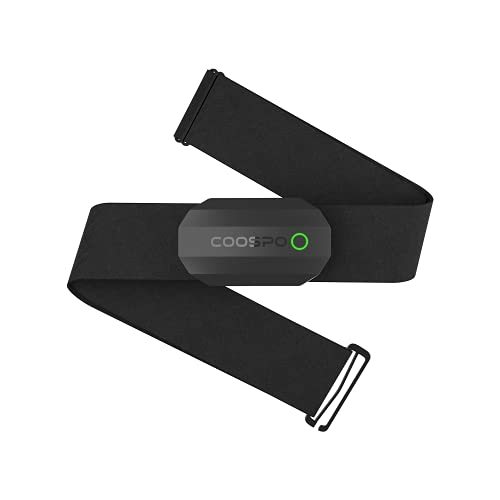
- Up to 300 hours of battery life
- ANT+ and Bluetooth connectivity
- IP67 waterproof design
Best For: Versatile chest-strap training
Best Rechargeable Performance Strap

- Up to two months per charge
- Records workouts without a watch
- Adds running dynamics and HRV data
Best For: Garmin-focused performance training
Longest Battery Runtime

- Up to 800 hours of battery life
- Replaceable CR2032 battery
- ANT+ and Bluetooth support
Best For: Frequent, multi-device training
Best Year-Long Battery

- Up to one year of battery life
- User-replaceable battery
- Machine-washable strap
Best For: Everyday Garmin monitoring
Longest-Lasting Chest Strap

- Up to 500 hours of battery life
- ECG algorithm with HRV support
- Bluetooth and ANT+ connectivity
Best For: Frequent trainers prioritizing maximum battery life
Rechargeable Endurance Pick

- Over 100 hours of active rechargeable use
- ANT+ and Bluetooth connectivity
- LEDs show battery and connection status
Best For: Athletes who prefer rechargeable convenience
Proven Precision Choice

- Up to 400 hours of battery life
- Bluetooth, ANT+, and 5 kHz support
- Waterproof with internal workout memory
Best For: Precision-focused users needing broad connectivity
Best Bluetooth Armband

- 38 hours of active use or 80 days standby
- Pairs with up to three Bluetooth devices
- Comfortable, breathable armband design
Best For: Sports tracking with Bluetooth-compatible devices
Best Long-Life Fitness Band

- Up to 21 days of battery life
- Tracks heart rate, sleep, blood oxygen, and sports
- Bright 1.72-inch AMOLED touchscreen
Best For: Everyday fitness and multi-sport activity tracking
Best Ultra-Long Battery
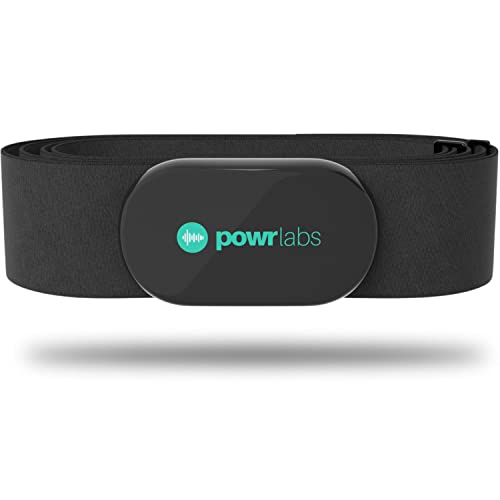
- Over 400 hours of battery life
- Works with Bluetooth and ANT+ devices
- Soft strap with IPX67 sweat and water resistance
Best For: Extended training and broad device compatibility
Best Long-Life Chest Strap Value – COOSPO H808S
If you want heart rate monitors with long battery life without moving to a rechargeable model, the COOSPO H808S offers up to 300 hours from a replaceable CR2032 battery. Its ANT+ and Bluetooth connectivity also makes it practical for pairing with watches, bike computers, smartphones, and compatible fitness apps.
Best For: Athletes and indoor-training users who need a versatile, replaceable-battery chest strap.
Pros:
- Up to 300 hours of battery life with a replaceable CR2032 battery
- Supports both ANT+ and Bluetooth 4.0 connections
- IP67 waterproof construction and compatibility with apps including Strava, Zwift, and Peloton
- LED indicators and a beep provide connection and operating feedback
Cons:
- Requires moistening the electrode areas before use
- The strap is recommended for replacement after six months or 300 washes
- It should be connected through the fitness app rather than the phone’s Bluetooth settings
The H808S is a straightforward, flexible option for buyers prioritizing long runtime and broad device compatibility. Its replaceable battery keeps maintenance simple, though the strap itself requires periodic replacement.
Best Rechargeable Performance Strap – Garmin HRM 600
The Garmin HRM 600 is one of the heart rate monitors with long battery life for users who prefer rechargeable convenience. It runs for up to two months per charge and adds workout recording, HRV data, swim support, and advanced running dynamics when paired with compatible Garmin devices.
Best For: Data-focused Garmin athletes who want advanced running metrics and workout recording.
Pros:
- Up to two months of battery life from a rechargeable battery
- Records workouts when a watch cannot be worn and syncs with Garmin Connect
- Provides heart rate, HRV, and additional running dynamics with compatible devices
- Machine-washable strap available in two sizes
Cons:
- Advanced running metrics require a compatible smartwatch
- Its two-month battery rating is shorter than several replaceable-battery chest straps
- Some features are centered on the Garmin ecosystem
The HRM 600 stands out when performance data matters more than maximum battery duration. Rechargeable operation, swim support, and Garmin Connect syncing make it a capable choice for structured training.
Longest Battery Runtime – GEOID HS500
For shoppers comparing heart rate monitors with long battery life, the GEOID HS500 offers an especially high 800-hour rating from a replaceable CR2032 battery. It supports ANT+ and Bluetooth devices and is designed for cycling, running, fitness, and other workouts, although swimming is not recommended.
Best For: Frequent trainers who want maximum battery longevity and broad app compatibility.
Pros:
- Rated for up to 800 hours, with an estimated 2.5 years at the stated usage pattern
- Replaceable CR2032 battery and low-energy technology
- Supports ANT+ and Bluetooth connections across watches, equipment, and apps
- IP67 waterproof construction and a 12-month warranty
Cons:
- Swimming is not recommended
- Requires connection through the app rather than directly through the phone’s Bluetooth settings
- Bluetooth and ANT+ compatibility varies by device and app
The HS500 is the strongest pick here for minimizing battery changes. Its long rated runtime and dual-protocol connectivity suit regular training, provided swim tracking is not a priority.
Best Year-Long Battery – Garmin HRM 200
The Garmin HRM 200 is a practical choice among heart rate monitors with long battery life, offering up to one year from a user-replaceable battery. It transmits real-time heart rate and HRV data to compatible Garmin devices, fitness equipment, apps, and smartphones while keeping maintenance simple with a machine-washable strap.
Best For: Garmin users who want year-long battery life and dependable everyday monitoring.
Pros:
- Up to one year of battery life with a user-replaceable battery
- Transmits real-time heart rate and HRV data to compatible devices and apps
- Machine-washable strap simplifies cleaning
- 3 ATM water rating supports durable everyday use
Cons:
- Compatibility is focused on compatible Garmin devices, equipment, apps, and smartphones
- It does not offer the workout-recording and running-dynamics features listed for the HRM 600
- The supplied details do not specify an included replacement battery
The HRM 200 balances long-term convenience with Garmin ecosystem integration. Its one-year battery rating is a strong fit for users who want to avoid frequent charging while retaining real-time heart rate and HRV transmission.
Longest-Lasting Chest Strap – CYCPLUS H2Pro
If you want heart rate monitors with long battery life, the CYCPLUS H2Pro stands out with up to 500 hours from its built-in CR2032 battery. Its ECG algorithm, Bluetooth and ANT+ support, and IPX7 protection make it a practical option for regular training.
Best For: Fitness enthusiasts who want very long battery life, reliable real-time tracking, and HRV-focused training data.
Pros:
- Up to 500 hours of operation, potentially covering nearly three years for light weekly use.
- ECG-based tracking is designed to reduce interference from movement, breathing, muscle tension, and sweat.
- Connects through Bluetooth or ANT+ to compatible phones, watches, cycling computers, and fitness equipment.
- Soft, breathable, adjustable strap and IPX7 waterproof and dustproof protection.
Cons:
- Uses a coin-cell battery rather than a rechargeable design.
- Listed item weight is 55 g, heavier than some competing chest straps.
The H2Pro is a strong pick when minimizing battery changes matters most. Its ECG-based HRV support adds useful depth for structured training, while broad connectivity keeps it compatible with many common workout setups.
Rechargeable Endurance Pick – Wahoo TRACKR
Among heart rate monitors with long battery life, the Wahoo TRACKR offers a convenient rechargeable setup with over 100 hours of active use; product details also list an average battery life of 200 hours. ANT+ and Bluetooth connectivity make it easy to use with phones, fitness equipment, and training apps.
Best For: Athletes who prefer a rechargeable chest strap with simple connections and a secure fit for intense workouts.
Pros:
- High-capacity rechargeable battery provides over 100 hours of active use.
- Supports both ANT+ and Bluetooth for phones, fitness equipment, apps, and accessories.
- Slim, soft strap is designed to stay secure during intense exercise.
- LEDs indicate heart rate detection, battery status, and connection status.
Cons:
- Battery life is shorter than the 400- and 500-hour coin-cell options in this roundup.
- The supplied notes identify smartphone compatibility but do not specify compatibility with every watch or computer.
The TRACKR is a sensible choice if you value rechargeable convenience over the longest possible runtime. Its status LEDs and dual wireless connectivity also make setup and workout monitoring straightforward.
Proven Precision Choice – Polar H10
The Polar H10 combines up to 400 hours of battery life with highly flexible connectivity, making it a dependable option among heart rate monitors with long battery life. It supports Bluetooth, ANT+, and 5 kHz connections, while its waterproof sensor and internal memory add versatility for different training environments.
Best For: Users who want a widely recognized precision chest strap with multiple connection options and onboard workout memory.
Pros:
- Provides up to 400 hours from an included CR2025 button-cell battery.
- Supports Bluetooth, ANT+, and 5 kHz connections, including simultaneous Bluetooth and ANT+ use.
- Waterproof design includes internal memory for multiple hours of data.
- Polar Pro strap uses improved electrodes, a buckle, and silicone dots for a secure, comfortable fit.
Cons:
- Requires the specified CR2025 battery; other sizes may damage or malfunction the sensor.
- Uses a replaceable coin-cell battery rather than rechargeable power.
The H10 is a well-rounded option for buyers who prioritize measurement precision and connection flexibility alongside long battery life. Its internal memory and waterproof construction make it especially adaptable for varied workouts.
Best Bluetooth Armband – COROS Heart Rate Monitor
For athletes seeking heart rate monitors with long battery life, the COROS Heart Rate Monitor offers up to 38 hours of active operation and 80 days of standby. Its soft armband design, wear detection, and Bluetooth connectivity make it a practical choice for focused sports tracking.
Best For: Sports and workout tracking with COROS devices or other Bluetooth-compatible equipment.
Pros:
- Provides 38 hours of operation or up to 80 days of standby per charge.
- Can pair with up to three devices at once through Bluetooth.
- Soft, breathable armband is designed for comfortable wear and easy cleaning.
- Automatically powers on and off when it detects that it is being worn.
Cons:
- Bluetooth-only connectivity means it is not compatible with ANT+ devices.
- Designed for sports and activity measurement rather than daily heart rate tracking.
- USB charging cable is included, but a Type-C adapter is not.
The COROS is a strong fit for users who prefer an armband over a chest strap and want convenient wear detection. Its battery lasts through extended training, though ANT+ users will need another option.
Best Long-Life Fitness Band – Xiaomi Smart Band 10
The Xiaomi Mi Smart Band 10 is a versatile option among heart rate monitors with long battery life, offering up to 21 days on a charge. It combines heart rate monitoring with sleep, blood oxygen, activity, and multi-sport tracking in a compact touchscreen band.
Best For: Everyday fitness, sleep, swimming, and multi-sport tracking with a bright wrist display.
Pros:
- Offers up to 21 days of battery life and fully recharges in about an hour.
- Large 1.72-inch AMOLED display reaches 1500 nits HBM brightness.
- Tracks heart rate, sleep, blood oxygen, activity, and multiple sports.
- 5ATM water resistance supports swimming and other water-based activities.
Cons:
- Does not include built-in GPS geotagging functionality.
- Metric measurements are supported directly in Xiaomi Fit; imperial measurements require a third-party connection.
- It is a general fitness band rather than a dedicated chest-strap heart rate sensor.
Choose the Xiaomi when you want long runtime plus broad wellness and activity features on your wrist. It is especially useful for everyday tracking, but athletes needing dedicated sensor connectivity may prefer a specialized monitor.
Best Ultra-Long Battery – POWR LABS Chest Strap
The POWR LABS Bluetooth ANT+ Chest Strap stands out among heart rate monitors with long battery life, delivering more than 400 hours of use from a replaceable battery. Dual Bluetooth and ANT+ connectivity also makes it a flexible choice for cycling computers, watches, Peloton, and compatible fitness apps.
Best For: Long training blocks, cyclists, and athletes who need broad ANT+ and Bluetooth compatibility.
Pros:
- Provides over 400 hours of battery life, or roughly six months of daily training.
- Supports both Bluetooth and ANT+ connections with many devices and apps.
- Soft, seamless fabric strap is designed to reduce chafing during extended sessions.
- IPX67 protection helps it handle sweat, rain, and swimming under a wetsuit.
Cons:
- Requires wearing the strap before pairing.
- Uses a chest-strap design, which some users may find less comfortable than an armband.
- Battery is replaceable rather than rechargeable, so replacement batteries will eventually be needed.
For minimizing charging interruptions, the POWR LABS model is the standout of these options. Its dual-protocol connectivity is useful for mixed-device setups, while the replaceable battery keeps long-term operation simple.
How We Picked the Best Heart Rate Monitors with Long Battery Life
We focused on battery runtime, heart-rate measurement format, connectivity, water resistance, comfort, and device compatibility. The selection includes chest straps using ANT+, Bluetooth, or both, plus a fitness band for shoppers who prefer wrist-based tracking and smartwatch-style features.
Battery claims vary by model and usage, so treat published runtimes as estimates rather than guarantees. We also considered whether a monitor suits structured training, indoor cycling, running, swimming, or general activity tracking.
Quick Comparison
- Best for broad device compatibility: Dual-protocol ANT+/Bluetooth chest straps such as the COOSPO, CYCPLUS, GEOID, and POWR LABS models.
- Best for established training ecosystems: Garmin, Polar, Wahoo, and COROS monitors.
- Best for extended battery claims: The GEOID HS500 and other long-runtime chest straps, depending on replacement-battery availability.
- Best for smartwatch-style daily tracking: The Xiaomi Mi Smart Band 10, with a rechargeable battery and activity-focused features.
Key Buying Factors for Heart Rate Monitors with Long Battery Life
Battery Type and Runtime
Check whether the monitor uses a replaceable coin cell or a rechargeable battery. Replaceable batteries can be convenient for long-term ownership because you can restore operation quickly, while rechargeable models reduce disposable-battery use. Published hour or day ratings may change with transmission frequency, storage, and wear detection.
Connectivity and Compatibility
ANT+ is useful with many bike computers, sports watches, and gym machines; Bluetooth is common with phones, tablets, and fitness apps. If you use several devices, a dual-protocol monitor is usually the most flexible choice. Confirm that your preferred app or equipment supports the connection type before buying.
Fit, Accuracy, and Water Resistance
A chest strap generally provides responsive workout heart-rate data, but it must fit snugly against the skin. Look for an adjustable, washable strap and a sensor that can tolerate sweat and rain. IP ratings indicate dust and water protection, but do not assume every model is designed for prolonged swimming unless the manufacturer says so.
Extra Features
Consider onboard storage, automatic wear detection, workout broadcasting, and app support if you train without carrying a phone or want simpler setup. A fitness band may add sleep, activity, and display features, whereas a chest strap is typically more focused on live exercise data.
Who Should Buy Which Heart Rate Monitors with Long Battery Life?
Choose a Garmin HRM 200 or HRM 600 if you already use Garmin equipment and want straightforward integration. Choose Polar H10 for a widely recognized chest-strap option with ANT+ and Bluetooth support. Choose Wahoo TRACKR or COROS if you prefer those training ecosystems and want a streamlined setup.
Choose COOSPO, GEOID, CYCPLUS, or POWR LABS when long battery claims and broad ANT+/Bluetooth compatibility are priorities, especially for budget-conscious training setups. Choose the Xiaomi Mi Smart Band 10 if you want a screen and all-day activity features more than a dedicated chest-strap experience.